

Politics - 4 April 2026
DRC lawmaker proposes reforms to limit multiple public offices and improve governance
Kinshasa, March 29, 2026 - A member of the National Assembly from Lukunga, Dunia Mangu Mangu, has introduced a series of proposed amendments aimed at improving governance in state-owned enterprises in the Democratic Republic of Congo by restricting the accumulation of public offices.
The proposals were presented during parliamentary debates on March 27 on a draft law revising the legal framework governing the organization and management of public enterprises, initiated by MP Jean-Pierre Pasi Zapamba.
At the center of the amendments is a push to prohibit individuals from simultaneously holding positions in state-owned companies and political offices, or engaging in competing commercial activities linked to those enterprises.
The lawmaker argued that such overlaps create inefficiencies, conflicts of interest, and public frustration, particularly among unemployed youth.
He also proposed stricter rules preventing individuals from holding multiple senior positions across different public institutions, citing examples such as incompatibility between ministerial roles and leadership positions in entities like the Civil Aviation Authority (RVA) or the National Insurance Company.
Dunia Mangu Mangu praised the original legislative initiative, saying it responds to public demands for greater transparency and fairness in the management of state institutions.
However, he also suggested expanding recruitment criteria for public officials beyond competitive examinations to include political considerations and national representation, arguing that this could strengthen cohesion and reduce political tensions.
He maintained that aligning appointments with both merit and political balance would help reinforce unity within state institutions.
The proposals have sparked debate in parliament, highlighting ongoing tensions in the DRC over governance standards, merit-based appointments, political inclusion, and transparency in the management of public enterprises.
Related reading

Politics - 31 August 2026
Angolan President Warns Eastern DRC Conflict Could Spill Across Great Lakes
Kinshasa, August 31, 2026 - Angolan President Joao Lourenco warned that the long-running conflict in eastern DRC could have effects across the Great Lakes region, adding diplomatic weight to calls for stronger…
By Amina Kabasele - 3 min read

Politics - 31 August 2026
Rwanda Rejects Ethnic Framing In Uganda Military Chief's Remarks
Kigali, August 31, 2026 - Rwanda pushed back against social-media remarks attributed to Uganda's Chief of Defence Forces, Gen.
By Amina Kabasele - 2 min read
Politics - 31 August 2026
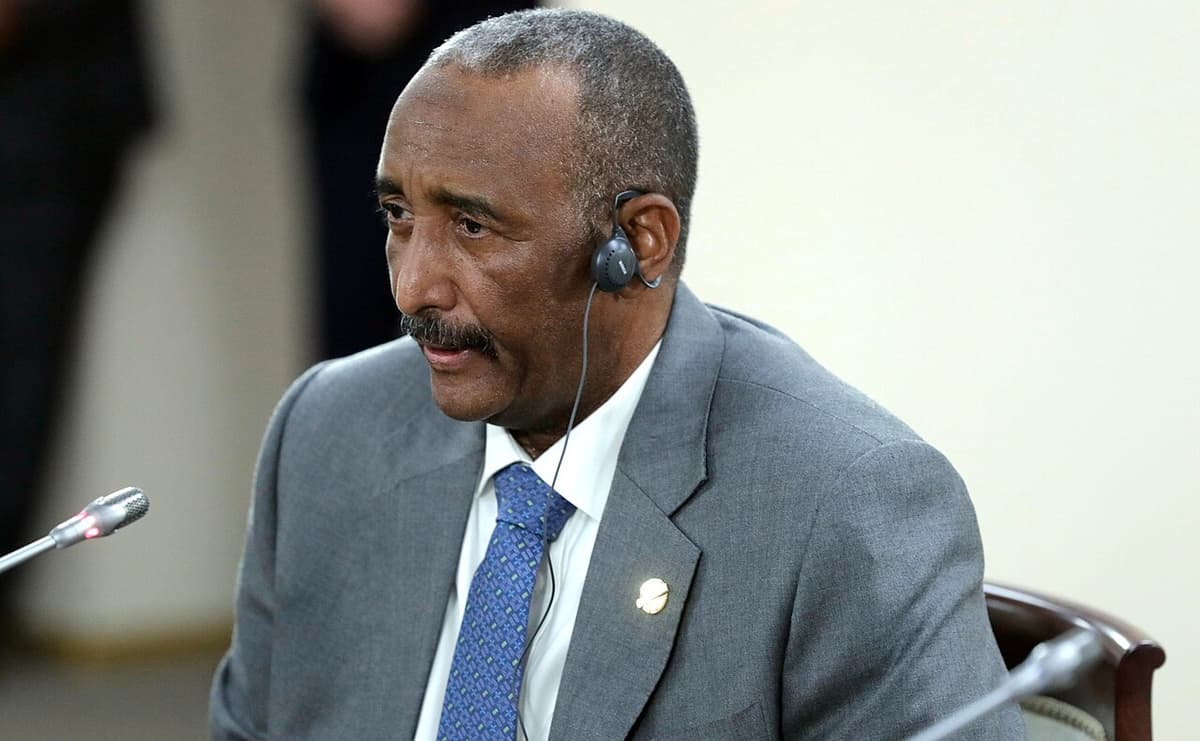
African Union Backs Sudan Dialogue Plan As Civilian Blocs Object
Khartoum, August 31, 2026 - The African Union endorsed a new Sudanese dialogue initiative aimed at ending the civil war, but major civilian and political groups rejected the move as premature and potentially favorable…
By Amina Kabasele - 2 min read