
Politics - 1 December 2025
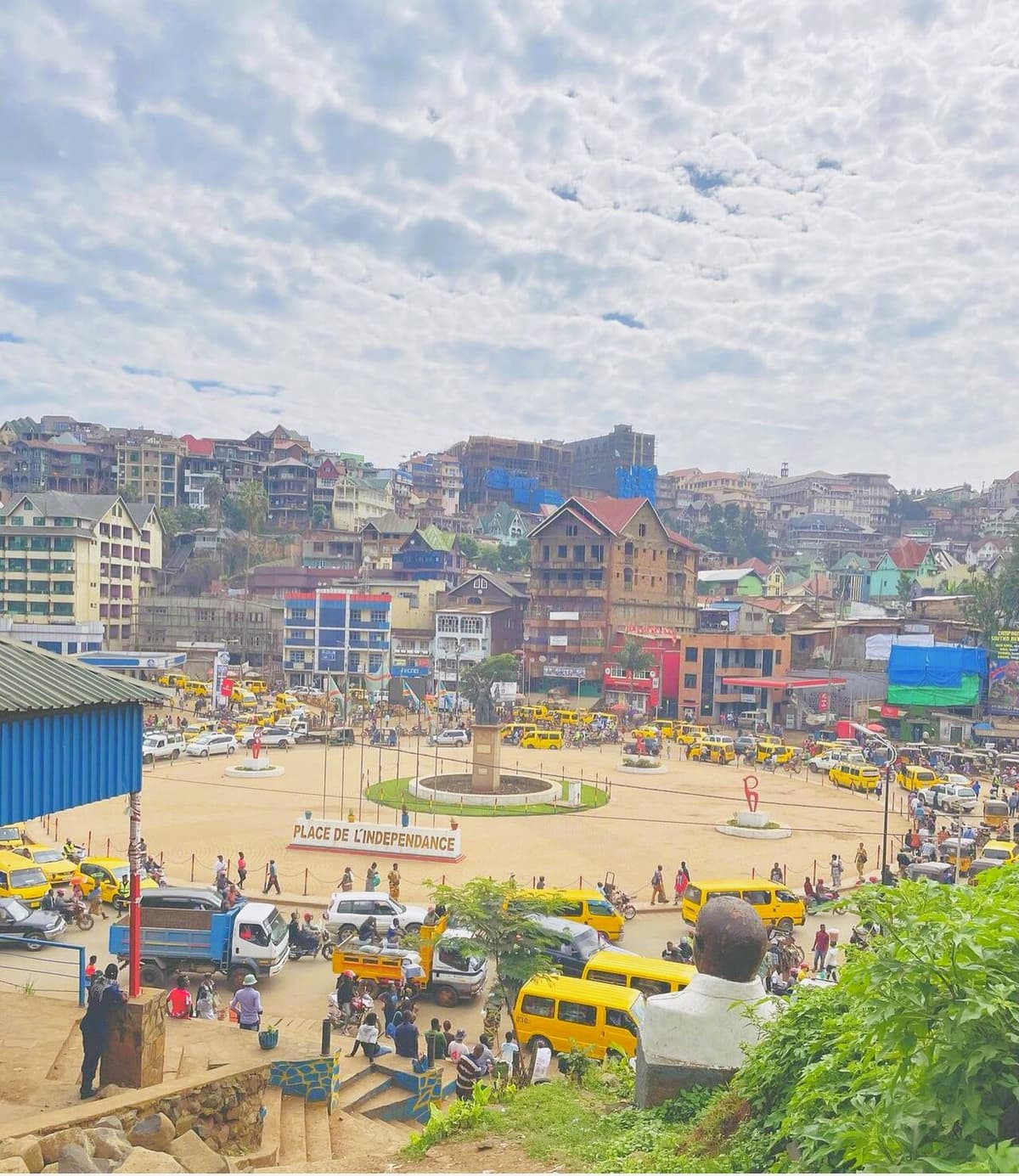
Burundi Counts the Cost as AFC/M23 Seizes Uvira
Kinshasa, December 1, 2025 - Burundian President Évariste Ndayishimiye believed his calculations were solid. After Burundian troops were pushed out of Masisi territory, Bujumbura had reinforced its military posture with long-range heavy weapons and combat drones, hoping to outmaneuver AFC/M23 fighters and restore national prestige shaken by months of fighting on Congolese soil.
When Burundian forces began shelling AFC/M23-held positions in South Kivu Province, including the Kamanyola Center, the objective was clear: retake lost ground, reassert control, and reclaim what officials described as the honor of Burundi.
Instead, the offensive backfired.
In rapid succession, AFC/M23, which had also strengthened its supply lines, pushed back a coalition of forces comprising the Burundian army, the DRC armed forces (FARDC), Wazalendo militias, and the FDLR as they moved on the strategic city of Uvira. As the situation deteriorated, statements from Burundian authorities began to reflect growing anxiety.
On December 10, 2025, Burundi’s Foreign Affairs Minister, Dr. Edouard Bizimana, warned in an interview with Radio France Internationale (RFI) that the fall of Uvira would pose a direct threat to Burundi’s security.
“If Uvira were to be captured, the economic capital would be threatened,” Bizimana said, referring to Bujumbura, located just minutes away. “The movement of goods and people between our two countries would be cut off. With the influx of refugees, our capacity would be strained. This is therefore a direct problem for Burundi.”
That same day, AFC/M23 announced the capture of Uvira.
Within hours, the Burundian government closed the Kavimvira and Vugizo border crossings with the Democratic Republic of Congo, suspending cross-border trade and movement for an indefinite period.
The city of Uvira, covering more than 200 square kilometers, lies along the northern shores of Lake Tanganyika and was home to an estimated 700,000 residents last year. Its proximity-about 30 kilometers-to Bujumbura makes it a vital economic and social hub for both countries.
Following the fighting, thousands of residents fled toward Burundi, mainly through the Kavimvira border, which leads into the Gatumba Zone.
Daily trade between Congolese and Burundians has long depended on Kavimvira. Commonly traded goods include maize, beans, yams, and fish from Lake Tanganyika.
According to Faustin Ndikumana, head of the Burundian civil society organization PARCEM, the economic impact is severe.
“More than 60% of Burundi’s exports go to the DRC,” Ndikumana said. “This activity generates significant foreign exchange. Its disruption will only worsen an already fragile foreign currency market.”
Data from the Central Bank of Burundi show that in 2024, Burundi exported 135,300 tons of goods, of which 69,400 tons-more than half-were destined for the DRC, largely via the Kavimvira border.
Burundi has long faced chronic shortages of petroleum products, which officials attribute to a lack of foreign exchange and illegal trading networks. Many Burundians previously relied on fuel purchased in South Kivu, where prices were lower, crossing through Kavimvira.
Since the border closure, that lifeline has vanished.
Ndikumana noted that Burundians are now unable to source gasoline and diesel from the DRC, worsening the crisis.
RFI journalist Esdras Ndikumana reported a sharp spike in prices: a 20-liter jerrycan of fuel that previously sold for 150,000 Rwandan francs now costs as much as 400,000 francs. At the same time, the US dollar has surged from 5,400 to 6,500 Rwandan francs, further straining the economy.
The Burundian government insists it will not tolerate AFC/M23’s control of Uvira, vowing to do everything necessary to safeguard Bujumbura’s security, including the possible use of military options.
For its part, AFC/M23 says it seeks peaceful coexistence with Burundi, not confrontation. The group maintains that it favors good-neighborly relations and claims that, if necessary, it can allow the reopening of borders and the resumption of movement and trade.
As diplomatic tensions rise, Uvira’s capture stands as both a military setback and a major economic shock for Burundi-one whose full consequences are still unfolding.
Related reading
Politics - 31 August 2026
Angolan President Warns Eastern DRC Conflict Could Spill Across Great Lakes
Kinshasa, August 31, 2026 - Angolan President Joao Lourenco warned that the long-running conflict in eastern DRC could have effects across the Great Lakes region, adding diplomatic weight to calls for stronger…
By Amina Kabasele - 3 min read
Politics - 31 August 2026
Rwanda Rejects Ethnic Framing In Uganda Military Chief's Remarks
Kigali, August 31, 2026 - Rwanda pushed back against social-media remarks attributed to Uganda's Chief of Defence Forces, Gen.
By Amina Kabasele - 2 min read
Politics - 31 August 2026
African Union Backs Sudan Dialogue Plan As Civilian Blocs Object
Khartoum, August 31, 2026 - The African Union endorsed a new Sudanese dialogue initiative aimed at ending the civil war, but major civilian and political groups rejected the move as premature and potentially favorable…
By Amina Kabasele - 2 min read