
Politique - 1 décembre 2025
Le Burundi évalue les conséquences de la prise d'Uvira par l'AFC/M23
Kinshasa, le 1er décembre 2025 - Le président burundais Évariste Ndayishimiye croyait que ses calculs étaient solides. Après que les troupes burundaises ont été repoussées du territoire de Masisi, Bujumbura a renforcé sa posture militaire avec des armes lourdes à longue portée et des drones de combat, espérant manœuvrer les combattants de l'AFC/M23 et restaurer le prestige national ébranlé par des mois de combats sur le sol congolais.
Lorsque les forces burundaises ont commencé à bombarder les positions tenues par l'AFC/M23 dans la province du Sud-Kivu, y compris le Centre de Kamanyola, l'objectif était clair : reprendre le terrain perdu, réaffirmer le contrôle et récupérer ce que les responsables décrivaient comme l'honneur du Burundi.
Au lieu de cela, l'offensive a échoué.
En succession rapide, l'AFC/M23, qui avait également renforcé ses lignes d'approvisionnement, a repoussé une coalition de forces comprenant l'armée burundaise, les forces armées de la RDC (FARDC), les milices Wazalendo et les FDLR alors qu'elles avançaient vers la ville stratégique d'Uvira. Alors que la situation se détériorait, les déclarations des autorités burundaises ont commencé à refléter une anxiété croissante.
Le 10 décembre 2025, le ministre burundais des Affaires étrangères, Dr. Édouard Bizimana, a averti dans une interview accordée à Radio France Internationale (RFI) que la chute d'Uvira représenterait une menace directe pour la sécurité du Burundi.
"Si Uvira devait être capturée, la capitale économique serait menacée," a déclaré Bizimana, faisant référence à Bujumbura, située à quelques minutes. "Le mouvement des biens et des personnes entre nos deux pays serait coupé. Avec l'afflux de réfugiés, notre capacité serait mise à rude épreuve. C'est donc un problème direct pour le Burundi."
Ce même jour, l'AFC/M23 a annoncé la capture d'Uvira.
En quelques heures, le gouvernement burundais a fermé les postes frontières de Kavimvira et Vugizo avec la République Démocratique du Congo, suspendant le commerce transfrontalier et les mouvements pour une période indéfinie.
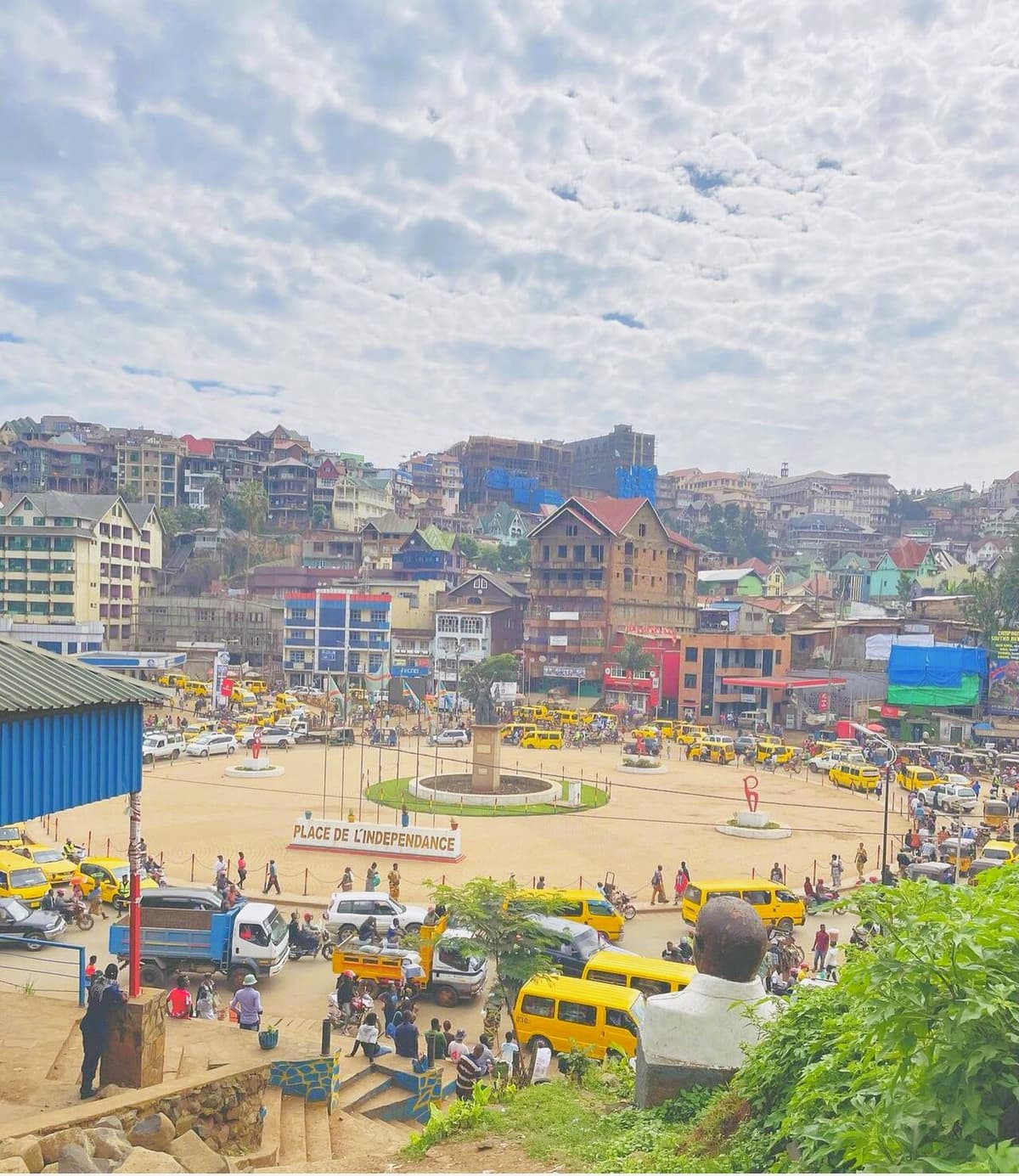
La ville d'Uvira, couvrant plus de 200 kilomètres carrés, se trouve le long des rives nord du lac Tanganyika et abritait environ 700 000 habitants l'année dernière. Sa proximité - environ 30 kilomètres - avec Bujumbura en fait un pôle économique et social vital pour les deux pays.
Suite aux combats, des milliers d'habitants ont fui vers le Burundi, principalement par le poste frontière de Kavimvira, qui mène à la zone de Gatumba.
Le commerce quotidien entre Congolais et Burundais dépend depuis longtemps de Kavimvira. Les biens échangés couramment incluent le maïs, les haricots, les ignames et le poisson du lac Tanganyika.
Selon Faustin Ndikumana, responsable de l'organisation de la société civile burundaise PARCEM, l'impact économique est sévère.
"Plus de 60 % des exportations du Burundi vont vers la RDC," a déclaré Ndikumana. "Cette activité génère des devises importantes. Sa perturbation ne fera qu'aggraver un marché des devises déjà fragile."
Les données de la Banque centrale du Burundi montrent qu'en 2024, le Burundi a exporté 135 300 tonnes de biens, dont 69 400 tonnes - plus de la moitié - étaient destinées à la RDC, principalement via la frontière de Kavimvira.
Le Burundi fait depuis longtemps face à des pénuries chroniques de produits pétroliers, que les responsables attribuent à un manque de devises et à des réseaux de commerce illégaux. De nombreux Burundais comptaient auparavant sur le carburant acheté dans le Sud-Kivu, où les prix étaient plus bas, en traversant Kavimvira.
Depuis la fermeture de la frontière, cette bouée de sauvetage a disparu.
Ndikumana a noté que les Burundais ne peuvent plus se procurer d'essence et de diesel en RDC, aggravant la crise.
Le journaliste de RFI Esdras Ndikumana a rapporté une forte augmentation des prix : un jerrycan de 20 litres de carburant qui se vendait auparavant pour 150 000 francs rwandais coûte désormais jusqu'à 400 000 francs. Dans le même temps, le dollar américain a grimpé de 5 400 à 6 500 francs rwandais, mettant encore plus à mal l'économie.
Le gouvernement burundais insiste sur le fait qu'il ne tolérera pas le contrôle d'Uvira par l'AFC/M23, promettant de faire tout ce qui est nécessaire pour protéger la sécurité de Bujumbura, y compris l'éventuelle utilisation d'options militaires.
De son côté, l'AFC/M23 affirme qu'elle recherche une coexistence pacifique avec le Burundi, et non une confrontation. Le groupe soutient qu'il privilégie de bonnes relations de voisinage et affirme que, si nécessaire, il peut permettre la réouverture des frontières et la reprise des mouvements et du commerce.
Alors que les tensions diplomatiques montent, la capture d'Uvira représente à la fois un revers militaire et un choc économique majeur pour le Burundi, dont les conséquences complètes sont encore en train de se déployer.
À lire aussi
Politique - 31 août 2026
Le Président angolais met en garde contre le risque d'un conflit dans l'est de la RDC s'étendant à la région des Grands Lacs
Kinshasa, le 31 août 2026 - Le Président angolais Joao Lourenco a averti que le conflit de longue date dans l'est de la RDC pourrait avoir des répercussions dans la région des Grands Lacs, ajoutant un poids diplomatique…
Par Amina Kabasele - 3 min de lecture
Politique - 31 août 2026
Le Rwanda rejette le cadrage ethnique des remarques du chef militaire ougandais
Kigali, le 31 août 2026 - Le Rwanda a réagi aux remarques sur les réseaux sociaux attribuées au chef des forces de défense de l'Ouganda, le général Muhoozi Kainerugaba, après que la porte-parole du gouvernement, Yolande…
Par Amina Kabasele - 2 min de lecture
Politique - 31 août 2026
L'Union africaine soutient le plan de dialogue soudanais alors que des blocs civils s'y opposent
Khartoum, le 31 août 2026 - L'Union africaine a approuvé une nouvelle initiative de dialogue soudanais destinée à mettre fin à la guerre civile, mais d'importants groupes civils et politiques ont rejeté cette démarche…
Par Amina Kabasele - 2 min de lecture