
Politics - 15 August 2026
Burhan Dialogue Plan Faces Opposition Rejection
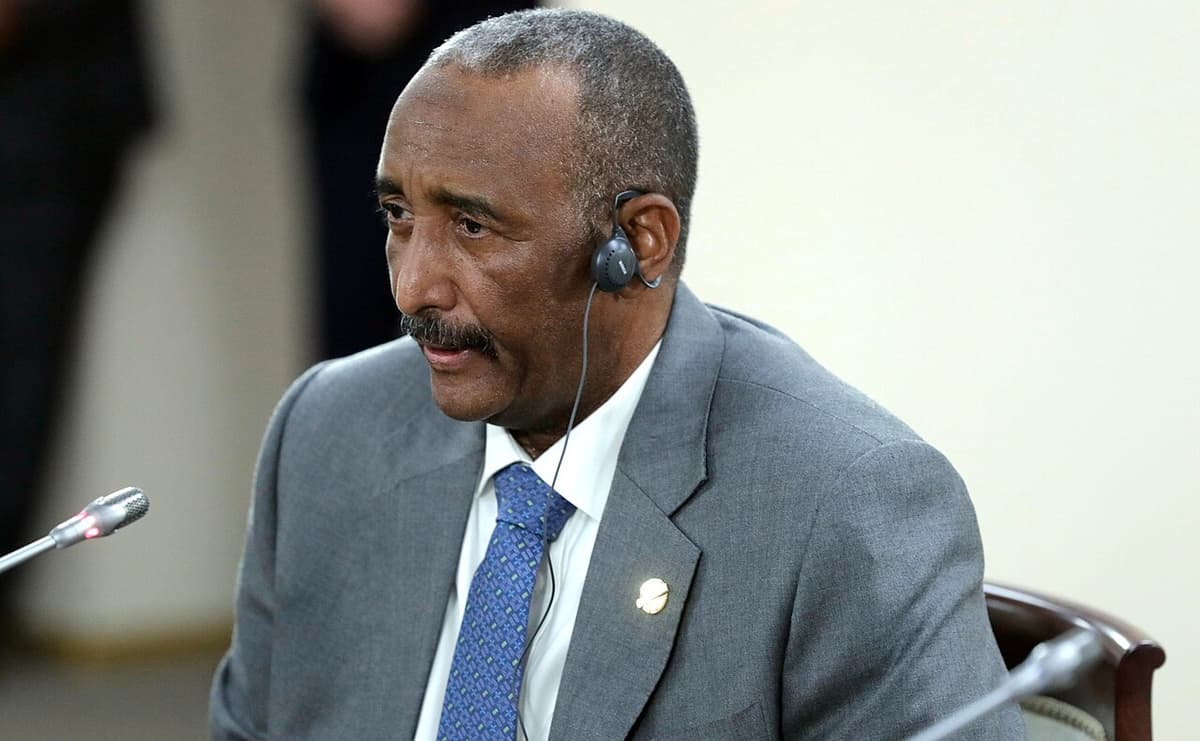
Khartoum, August 15, 2026 - Sudan's military leader Abdel Fattah al-Burhan backed legal, political and security guarantees for an internal national dialogue, but key opposition figures rejected the initiative as an attempt to legitimise continued military rule. Burhan said the state would provide logistical support and protections requested by an independent mechanism, while not setting the agenda or outcomes of the talks.
The proposed measures include suspending state legal proceedings against participants, shielding attendees from arrest linked to private legal claims during the process, and granting immunity for statements and proposals made in connection with the dialogue. Opposition leaders in the Somoud coalition said the plan did not address the priorities they see as essential to ending the war, including a ceasefire, civilian protection and humanitarian access.
Babikir Faisal said the initiative would not restore a democratic civilian transition, while Khaled Omer Youssef warned that continued military dominance would empower Islamist networks linked to the former Omar al-Bashir regime. Somoud spokesman Bakry Eljak said talks held only in army-controlled areas would lack inclusivity and appeared designed to sideline international mediation, including efforts by the Quad grouping of the United States, Saudi Arabia, the United Arab Emirates and Egypt.
Umma Party leader Mubarak al-Fadil al-Mahdi said any viable process should be held outside Sudan, require the military to cede political and economic power, and include acceptance of international peace proposals. The Democratic Bloc, a coalition of armed groups and political factions aligned with the military against the RSF, welcomed the initiative and argued that national ownership was essential.
The split response underscores Sudan's fragmented political landscape and the risk that competing peace tracks will prolong uncertainty over governance, sanctions exposure, aid flows and eventual reconstruction planning.
Related reading

Politics - 31 August 2026
Angolan President Warns Eastern DRC Conflict Could Spill Across Great Lakes
Kinshasa, August 31, 2026 - Angolan President Joao Lourenco warned that the long-running conflict in eastern DRC could have effects across the Great Lakes region, adding diplomatic weight to calls for stronger…
By Amina Kabasele - 3 min read

Politics - 31 August 2026
Rwanda Rejects Ethnic Framing In Uganda Military Chief's Remarks
Kigali, August 31, 2026 - Rwanda pushed back against social-media remarks attributed to Uganda's Chief of Defence Forces, Gen.
By Amina Kabasele - 2 min read
Politics - 31 August 2026
African Union Backs Sudan Dialogue Plan As Civilian Blocs Object
Khartoum, August 31, 2026 - The African Union endorsed a new Sudanese dialogue initiative aimed at ending the civil war, but major civilian and political groups rejected the move as premature and potentially favorable…
By Amina Kabasele - 2 min read