
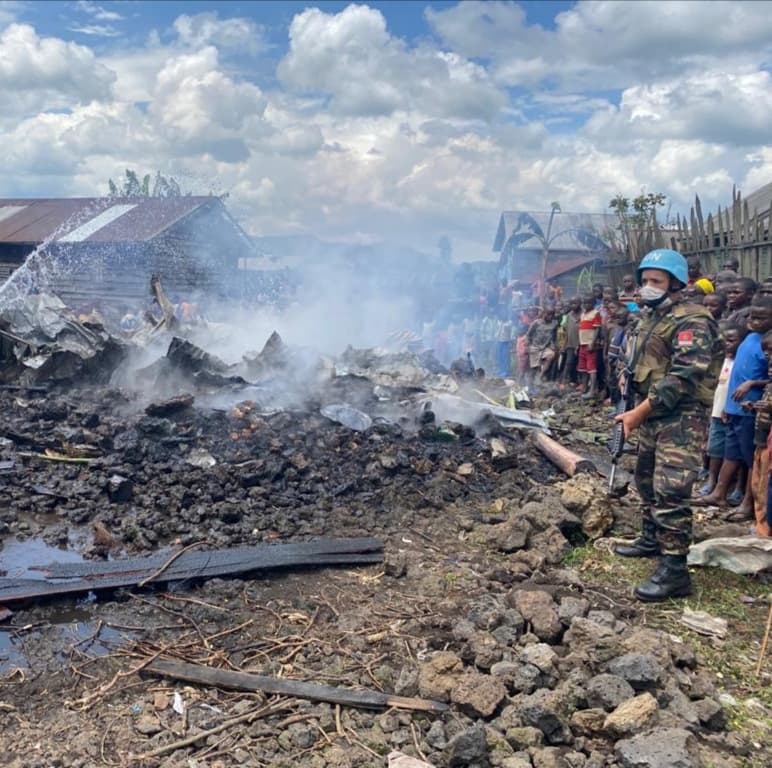
Sécurité - 22 mars 2026
L'Oakland Institute critique l'accord de Washington
Kinshasa, le 13 mars 2026 - L'Oakland Institute a vivement critiqué l'Accord de Washington, arguant qu'il contient des « contradictions inhérentes » en récompensant prétendument le Rwanda malgré son implication continue dans le conflit dans l'est de la République démocratique du Congo.
Dans un communiqué publié le 12 mars, l'organisation a appelé l'administration américaine à prendre des mesures plus fermes pour mettre fin à ce qu'elle décrit comme une agression rwandaise à travers la rébellion AFC/M23, qui, selon elle, alimente l'instabilité et l'exploitation illicite des ressources naturelles au détriment des civils congolais.
Le groupe de réflexion a également jugé insuffisantes les sanctions américaines imposées par l'Office de contrôle des avoirs étrangers (OFAC) aux Forces de défense rwandaises (RDF) et à plusieurs hauts responsables, arguant qu'elles ne parviennent pas à contrecarrer les gains financiers tirés du conflit.
Selon le rapport, les FDR ont joué un rôle décisif dans le soutien à la rébellion du M23, notamment dans la capture de zones clés telles que Goma et Bukavu, ainsi que de sites miniers stratégiques. L'organisation souligne que le contrôle des ressources, en particulier du coltan et de l'or, a permis aux rebelles de générer des revenus importants, dont environ 800 000 dollars par mois grâce à la taxation du coltan et jusqu'à 2 milliards de dollars d'exportations d'or en 2025.
L’Oakland Institute note en outre que le Rwanda continue de recevoir un soutien financier international substantiel, notamment une aide bilatérale américaine et un financement important de la Banque mondiale, ce qui soulève des inquiétudes quant aux contradictions politiques. Il souligne des contrats d’infrastructure prétendument liés à des entités associées aux RDF, suggérant un lien entre influence militaire et intérêts économiques.
Frédéric Mousseau, directeur politique de l’institut, a fait valoir que les actions du Rwanda minent la crédibilité de l’accord de Washington. « Les violations commises par le Rwanda et sa présence continue en RDC mettent en évidence les contradictions d’un soi-disant accord de paix qui accorde effectivement l’accès aux ressources congolaises tout en ne garantissant pas les responsabilités », a-t-il déclaré, avertissant qu’une telle approche ne peut pas conduire à une paix durable.
Le rapport fait écho aux conclusions antérieures publiées dans l’étude de l’institut « Shafted : La course aux minéraux critiques en RDC », qui mettait en garde contre le fait que les initiatives diplomatiques pourraient être utilisées pour promouvoir les intérêts liés aux ressources sous couvert de consolidation de la paix.
Des positions divergentes
En réponse aux sanctions, le Rwanda a rejeté ces mesures, les qualifiant d'« unilatérales » et de « déformant les faits », arguant qu'elles ciblent injustement une partie du conflit. Kigali a accusé Kinshasa de violer les accords de cessez-le-feu par des frappes de drones et des offensives militaires, et a réitéré ses inquiétudes quant à la présence de groupes armés, dont les FDLR, aux côtés des forces congolaises.
De son côté, le gouvernement congolais a salué les sanctions comme un « signal clair » en faveur de la souveraineté et de l’intégrité territoriale, soulignant la nécessité d’une cohérence entre les engagements diplomatiques et les réalités du terrain. Les autorités de Kinshasa soutiennent que mettre fin au soutien aux groupes armés et respecter le droit international sont essentiels à la stabilisation de l’est de la RDC.
Des progrès diplomatiques fragiles
Malgré les efforts diplomatiques en cours, notamment les processus de Washington et de Doha soutenus par l’Union africaine, les progrès restent limités sur le terrain. Les tensions persistantes entre Kinshasa et Kigali, combinées à la reprise des affrontements au Nord et au Sud-Kivu, continuent de saper les espoirs d'une résolution durable du conflit.
La critique de l’Oakland Institute s’ajoute au débat international croissant sur la question de savoir si les cadres diplomatiques actuels peuvent s’attaquer efficacement aux causes profondes du conflit ou risquer de consolider les dynamiques de pouvoir existantes dans la région.
À lire aussi
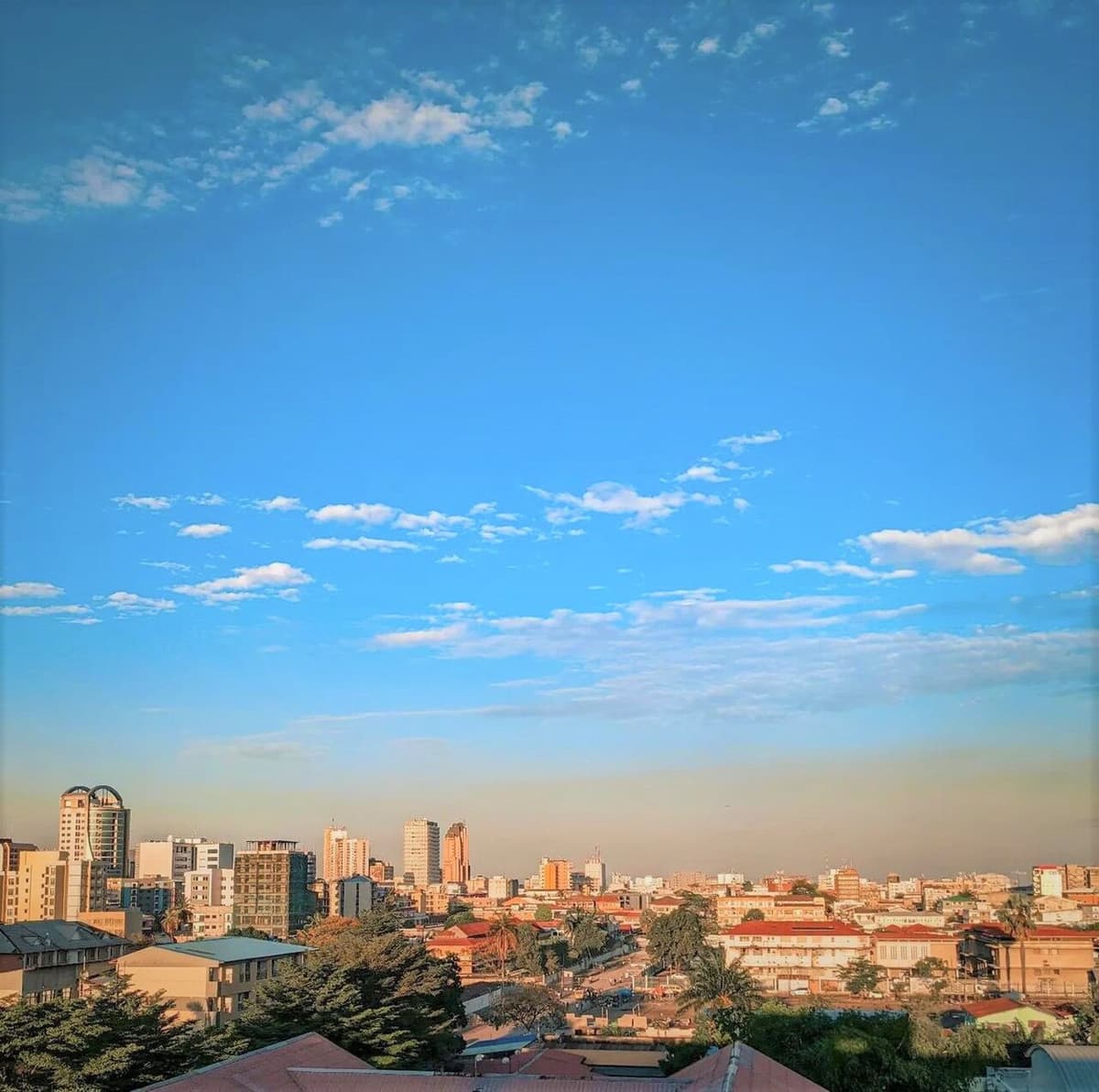
Sécurité - 31 août 2026
RDC et Congo-Brazzaville s'efforcent de désamorcer le conflit frontalier sur le fleuve Congo
Kinshasa, le 31 août 2026 - La RDC et le Congo-Brazzaville ont agi pour contenir les tensions après un affrontement mortel du 28 août entre les troupes des FARDC et les forces du Congo-Brazzaville sur le fleuve Congo…
Par Amina Kabasele - 3 min de lecture
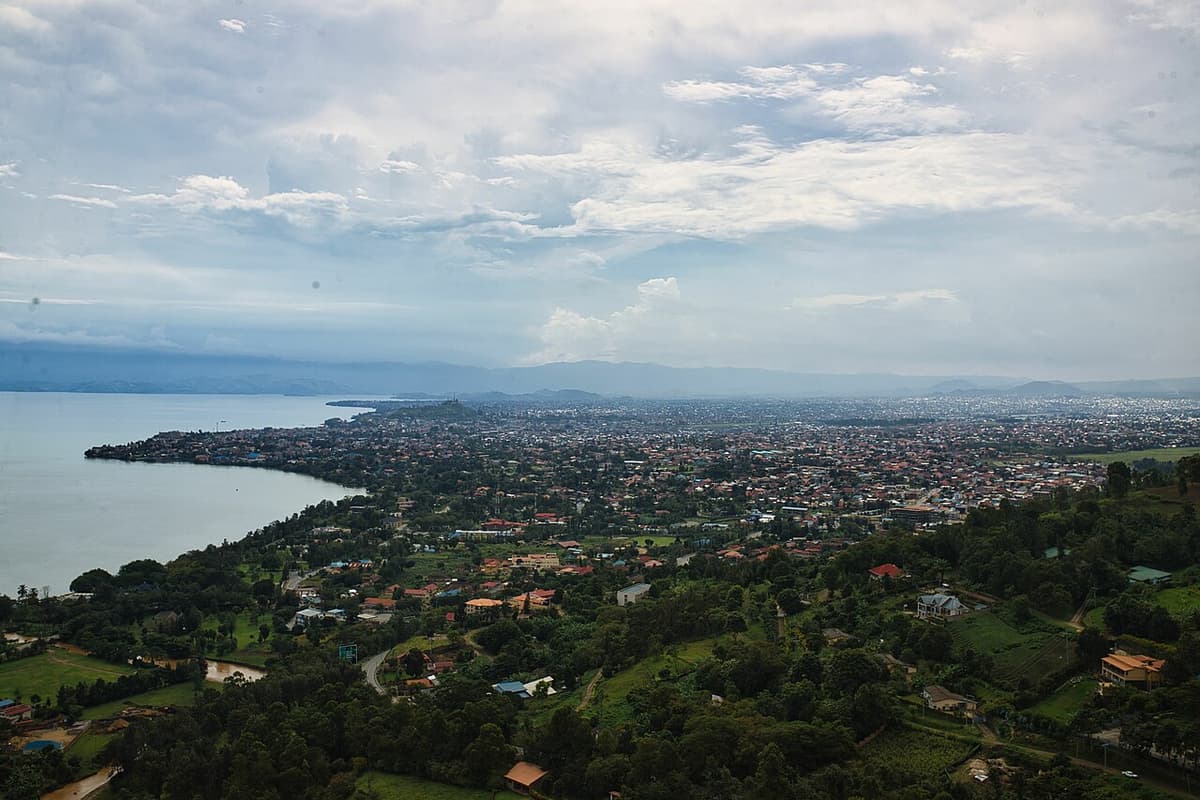
Sécurité - 31 août 2026
Des villages de Walikale vidés alors que les combats se propagent dans l'est de la RDC
Goma, le 31 août 2026 - Plusieurs villages du groupement Waloa Loanda de Walikale ont été vidés alors que les combats entre l'armée et les forces AFC/M23 se sont étendus des zones voisines de Masisi et Kalehe…
Par Amina Kabasele - 3 min de lecture
Sécurité - 31 août 2026
Le gouvernement affirme que l'armée bloque l'expansion de l'AFC/M23 au Kivu
Kinshasa, le 31 août 2026 - Le gouvernement a déclaré que les FARDC faisaient systématiquement échouer les tentatives de l'AFC/M23 d'occuper de nouveaux territoires dans les Kivus, alors que les combats se poursuivaient…
Par Amina Kabasele - 3 min de lecture