
Politique - 12 avril 2026
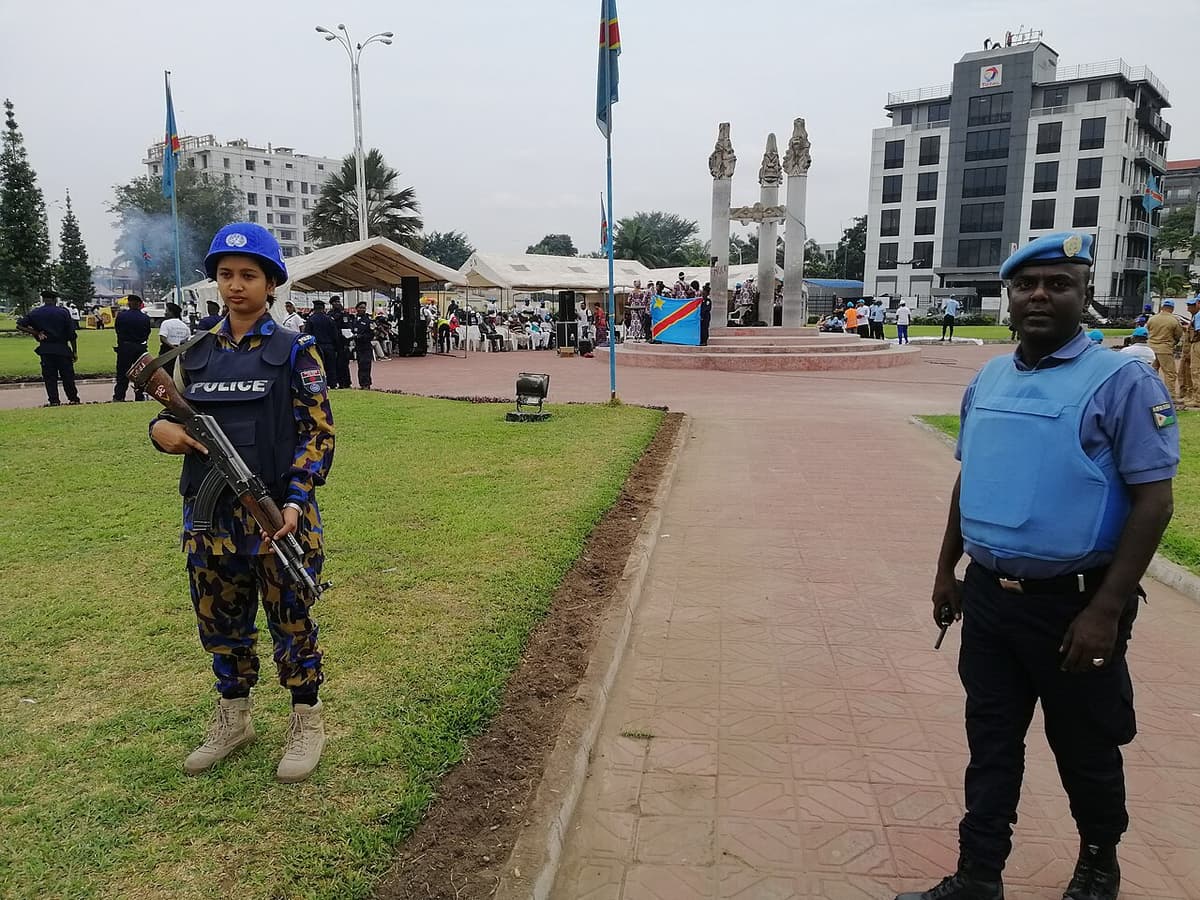
La MONUSCO accueille 14 nouveaux policiers internationaux pour renforcer la protection civile
Kinshasa, le 9 avril 2026 - La Mission des Nations Unies pour la stabilisation en République démocratique du Congo (MONUSCO) a officiellement accueilli quatorze nouveaux Officiers de Police Individuels (IPO), dont six femmes, à l'issue de leur formation initiale visant à renforcer les efforts de protection des civils.
Les nouveaux officiers viennent de onze pays contributeurs : Djibouti, Gambie, Togo, Burkina Faso, Cameroun, Côte d’Ivoire, Brésil, Tanzanie, Canada, Tchad et Bangladesh.
La cérémonie de clôture de leur formation d’intégration a été marquée par le discours du Chef de la composante Police des Nations Unies, l’Inspecteur Général Mamouna Ouedraogo, qui a souligné l’importance du mandat de la MONUSCO dans la protection des civils et l’appui à la restauration de l’autorité de l’État en République démocratique du Congo.
Elle a exhorté les nouveaux officiers à incarner les valeurs fondamentales des Nations Unies, notamment la discipline, la maîtrise de soi et le travail d'équipe, tout en maintenant un professionnalisme strict et une efficacité opérationnelle sur le terrain.
Ouédraogo a également réitéré la politique de tolérance zéro de l’ONU à l’égard de l’exploitation et des abus sexuels, appelant le personnel à respecter les normes éthiques les plus élevées et à éviter toute conduite susceptible de nuire aux communautés ou de miner la crédibilité de la mission.
Soulignant le contexte opérationnel en RDC, elle a souligné l’impact attendu de leur déploiement tant sur les populations locales que sur les efforts de stabilisation plus larges de la MONUSCO.
Les quatorze officiers ont suivi un programme de formation structuré conçu pour les doter des compétences essentielles à leur mission. Le programme, dispensé par des experts expérimentés de l'ONU, couvrait un large éventail de sujets stratégiques et opérationnels pertinents pour les fonctions de police de maintien de la paix.
Conclusion
La première quinzaine d’avril 2026 a été marquée par une étape démocratique majeure et par la poursuite de l’expansion des infrastructures stratégiques de Djibouti. La période a été marquée par la réélection du président Ismail Omar Guelleh et par d’importants partenariats internationaux visant à assurer la résilience économique à long terme.
Stabilité politique et résultats électoraux
Le paysage politique national a été dominé par l'élection présidentielle du 10 avril.
Réélection décisive : le président Ismail Omar Guelleh a obtenu un cinquième mandat avec 97,81 % des voix, battant son challenger Mohamed Farah Samatar.
Reconnaissance internationale : des délégations de l'Union africaine, de l'IGAD et de l'OCI ont observé le processus, et les dirigeants mondiaux de la France, de la Somalie et de l'Arabie saoudite ont adressé leurs félicitations, saluant la transparence de l'élection.
Cohésion nationale : Suite à sa concession, Samatar a rencontré le président Guelleh au Palais présidentiel pour lui souhaiter du succès, un geste présenté par les responsables comme un signe de maturité politique.
Deuil d'une personnalité politique : Plus tôt dans le mois, la nation a pleuré le décès d'Ali Mohamed Daoud, président du FRUD, entraînant une suspension temporaire de trois jours de la campagne présidentielle.
Développement économique et infrastructures
Djibouti a réalisé des progrès substantiels dans son ambition de devenir un pôle maritime et technologique régional.
Avancement maritime : L'inauguration du chantier de réparation navale de Djibouti (DSRY), doté de 107,5 millions d'euros, près du détroit de Bab el-Mandeb, offre à la région son plus grand quai flottant, qui devrait générer jusqu'à 1 750 emplois directs et indirects.
Sécurité de l'eau : Un accord de 36,5 millions de dollars avec la Banque mondiale a été signé pour augmenter la couverture nationale en eau potable à 98 % d'ici 2030. De plus, l'agrandissement de la station d'épuration des eaux usées de Douda a été souligné lors d'une visite diplomatique française.
Innovation dans l'IA : Une initiative conjointe avec la Somalie a vu le lancement du Somali-Language AI & Innovation Lab (SAIL), axé sur l'utilisation de l'apprentissage en profondeur pour détecter les fausses nouvelles en langue somalienne.
À lire aussi

Politique - 31 août 2026
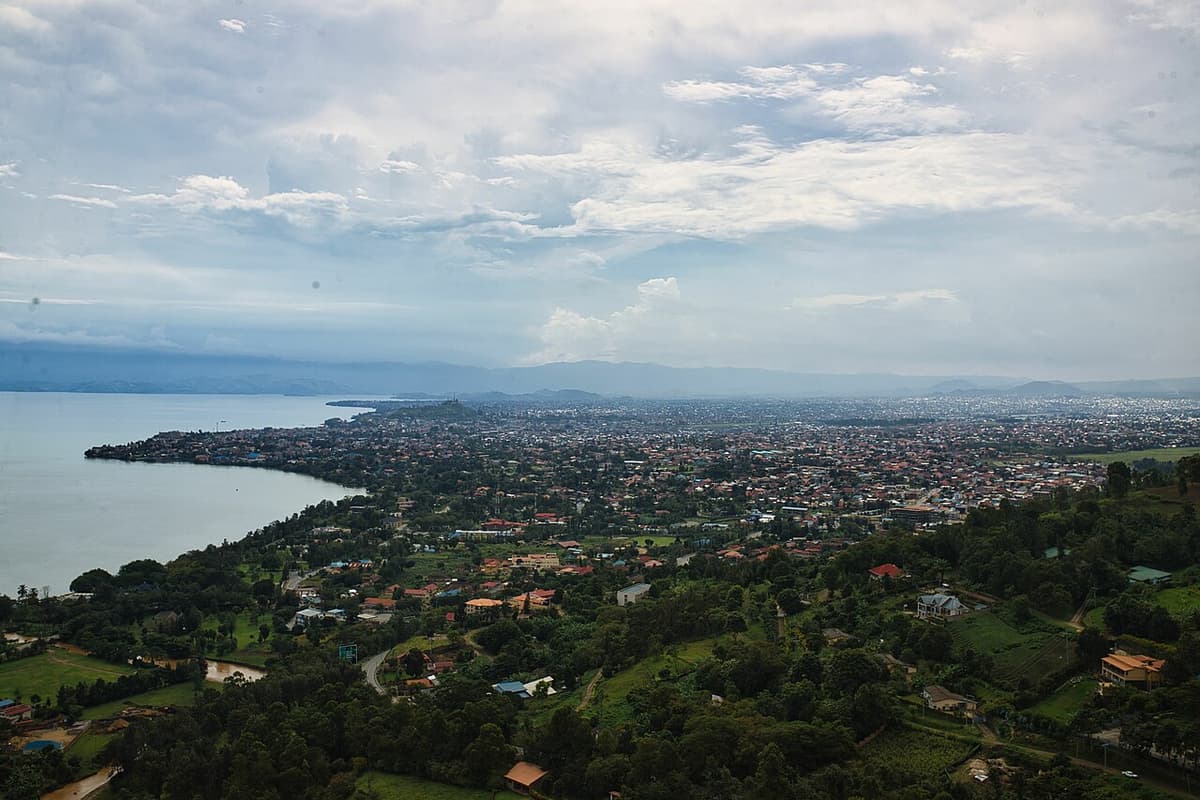
Le Président angolais met en garde contre le risque d'un conflit dans l'est de la RDC s'étendant à la région des Grands Lacs
Kinshasa, le 31 août 2026 - Le Président angolais Joao Lourenco a averti que le conflit de longue date dans l'est de la RDC pourrait avoir des répercussions dans la région des Grands Lacs, ajoutant un poids diplomatique…
Par Amina Kabasele - 3 min de lecture
Politique - 31 août 2026
Le Rwanda rejette le cadrage ethnique des remarques du chef militaire ougandais
Kigali, le 31 août 2026 - Le Rwanda a réagi aux remarques sur les réseaux sociaux attribuées au chef des forces de défense de l'Ouganda, le général Muhoozi Kainerugaba, après que la porte-parole du gouvernement, Yolande…
Par Amina Kabasele - 2 min de lecture
Politique - 31 août 2026
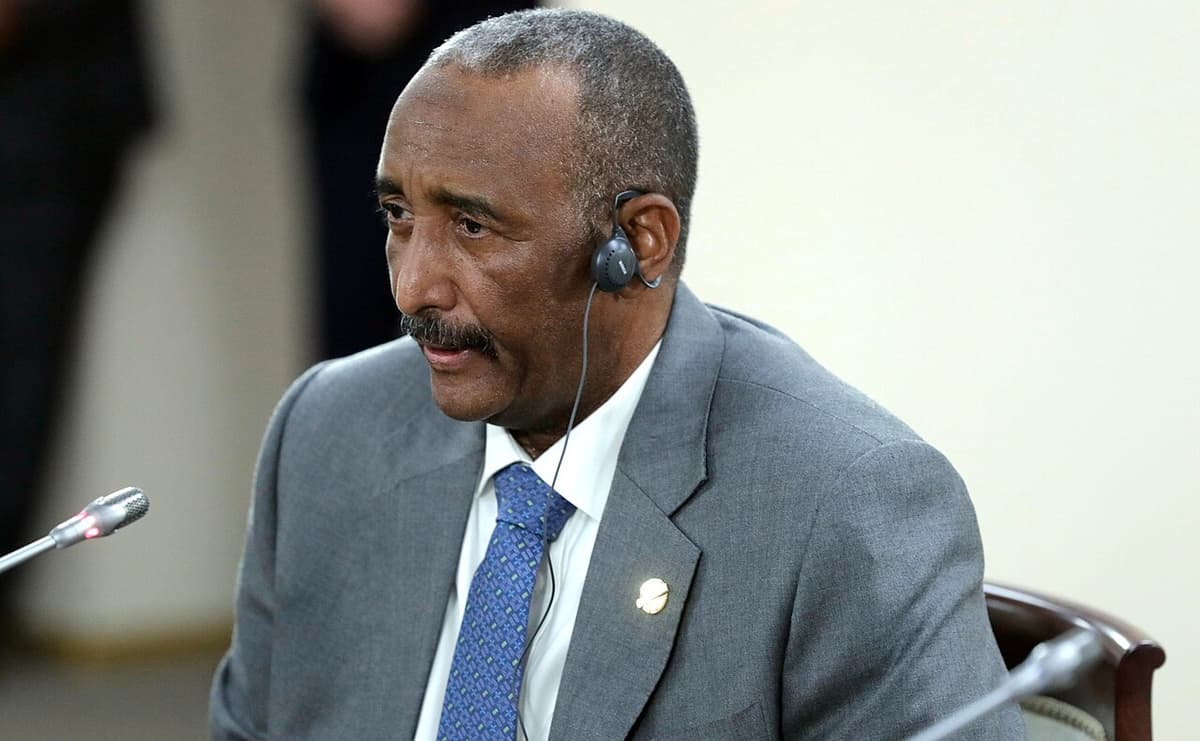
L'Union africaine soutient le plan de dialogue soudanais alors que des blocs civils s'y opposent
Khartoum, le 31 août 2026 - L'Union africaine a approuvé une nouvelle initiative de dialogue soudanais destinée à mettre fin à la guerre civile, mais d'importants groupes civils et politiques ont rejeté cette démarche…
Par Amina Kabasele - 2 min de lecture