
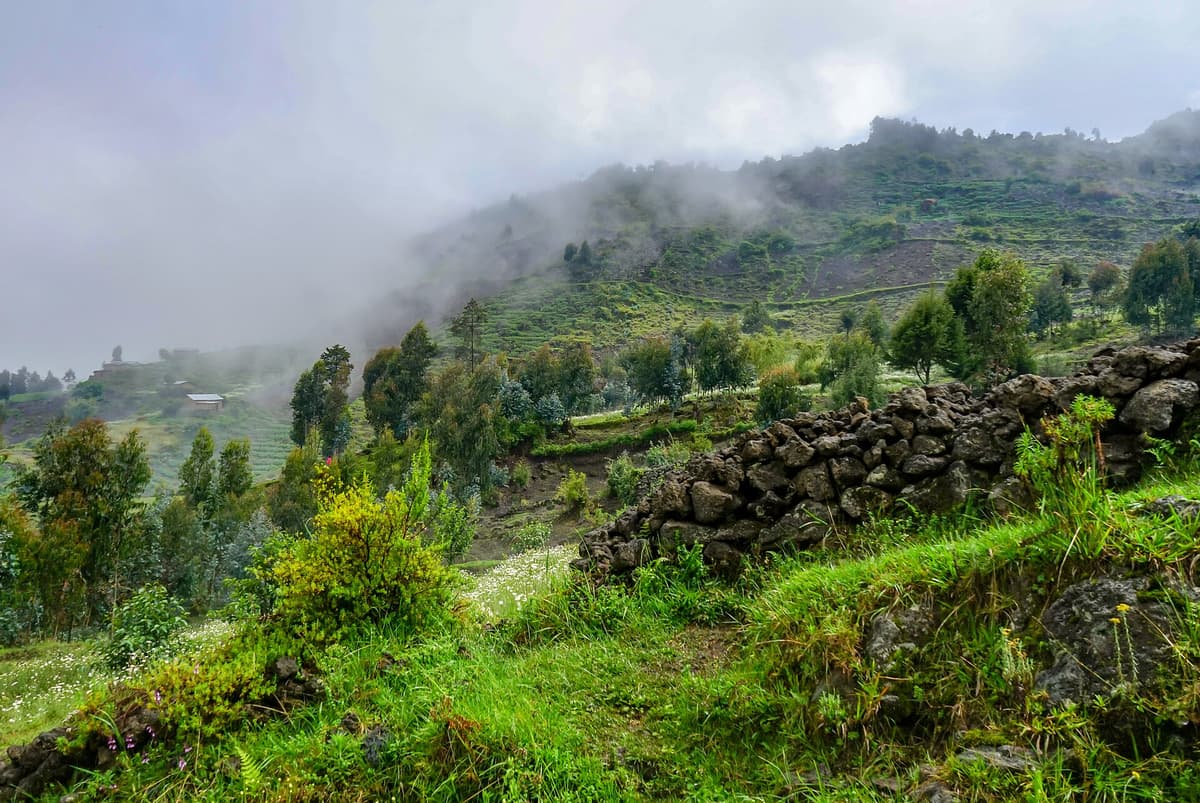
Sécurité - 22 mars 2026
Le Dr Iyamuremye critique le soutien aux sanctions contre le Rwanda
Kigali, le 18 mars 2026 - L'ancien président du Sénat, Augustin Iyamuremye, a critiqué les Rwandais qui expriment leur soutien aux sanctions internationales contre leur propre pays, mettant en garde contre leurs conséquences plus larges sur les citoyens ordinaires.
S'exprimant le 18 mars, Iyamuremye a déclaré qu'il ne comprenait pas pourquoi certains Rwandais - en particulier ceux vivant à l'étranger - semblent accueillir favorablement des mesures telles que la suspension de l'aide étrangère et d'autres restrictions.
Ses remarques interviennent dans un contexte de relations tendues entre le Rwanda et la République démocratique du Congo, qui ont poussé certains partenaires internationaux, dont le Royaume-Uni et le Canada, à suspendre une partie de leur coopération avec Kigali.
Plus tôt en mars 2026, les États-Unis ont également imposé des sanctions aux membres des forces armées rwandaises, intensifiant encore le débat.
Iyamuremye a fait valoir que de telles mesures affectent principalement les citoyens plutôt que les dirigeants politiques, citant des perturbations potentielles des services essentiels et des projets de développement.
« Je ne comprends pas comment un Rwandais peut se réjouir que son pays soit sanctionné », a-t-il déclaré. "Il s'agit de services destinés aux citoyens : routes, eau, électricité et établissements de santé."
Il a ajouté que ceux qui soutiennent de telles mesures ne parviennent pas à faire la distinction entre le gouvernement et la population dans son ensemble, soulignant la nécessité d'une cohésion nationale en ces temps difficiles.
Ces commentaires mettent en évidence les divisions persistantes parmi les Rwandais concernant l’impact et la légitimité des pressions extérieures liées aux tensions sécuritaires régionales.
À lire aussi
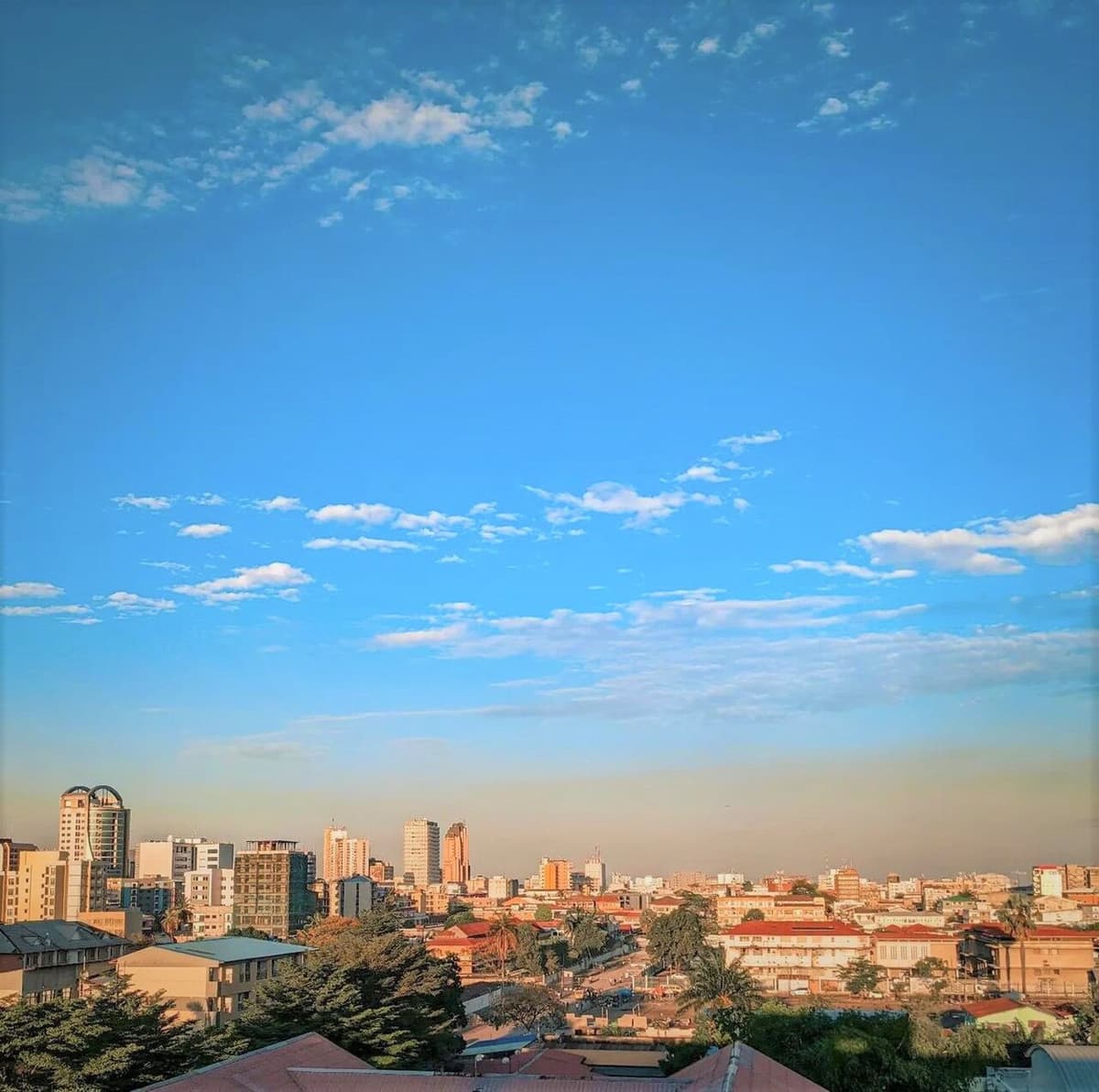
Sécurité - 31 août 2026
RDC et Congo-Brazzaville s'efforcent de désamorcer le conflit frontalier sur le fleuve Congo
Kinshasa, le 31 août 2026 - La RDC et le Congo-Brazzaville ont agi pour contenir les tensions après un affrontement mortel du 28 août entre les troupes des FARDC et les forces du Congo-Brazzaville sur le fleuve Congo…
Par Amina Kabasele - 3 min de lecture
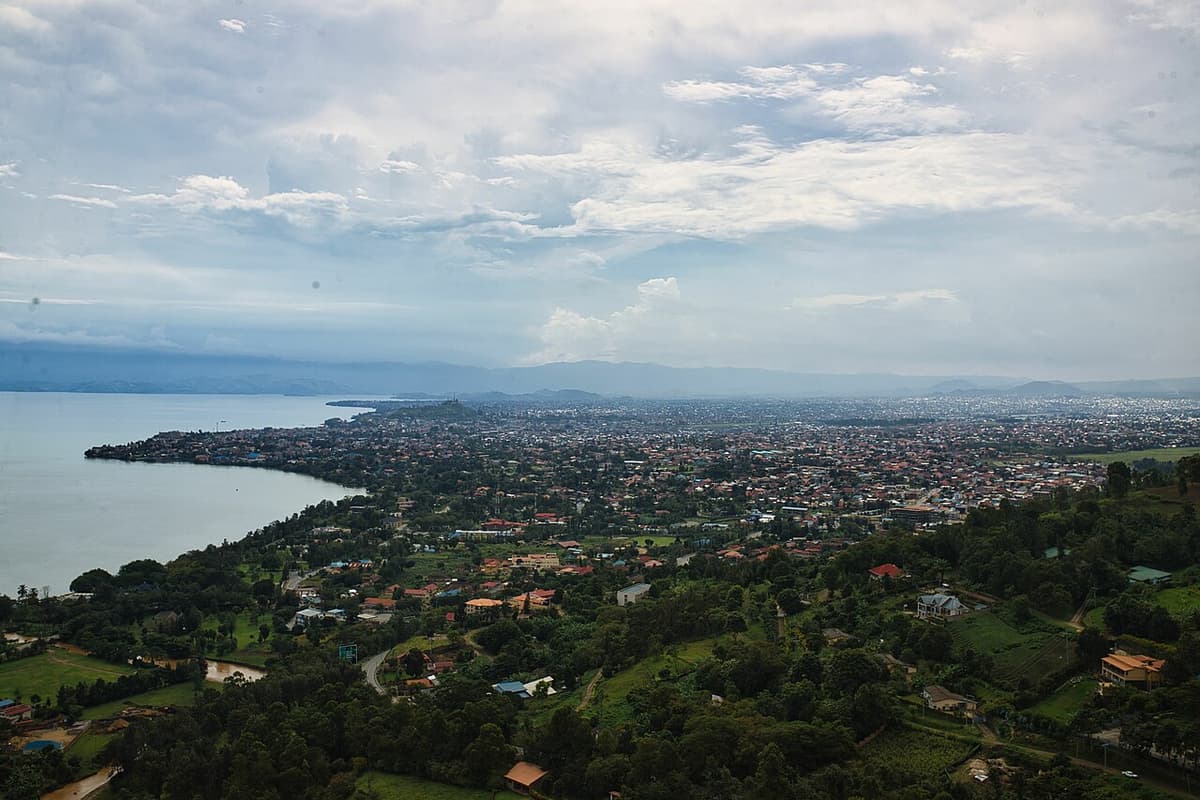
Sécurité - 31 août 2026
Des villages de Walikale vidés alors que les combats se propagent dans l'est de la RDC
Goma, le 31 août 2026 - Plusieurs villages du groupement Waloa Loanda de Walikale ont été vidés alors que les combats entre l'armée et les forces AFC/M23 se sont étendus des zones voisines de Masisi et Kalehe…
Par Amina Kabasele - 3 min de lecture
Sécurité - 31 août 2026
Le gouvernement affirme que l'armée bloque l'expansion de l'AFC/M23 au Kivu
Kinshasa, le 31 août 2026 - Le gouvernement a déclaré que les FARDC faisaient systématiquement échouer les tentatives de l'AFC/M23 d'occuper de nouveaux territoires dans les Kivus, alors que les combats se poursuivaient…
Par Amina Kabasele - 3 min de lecture