
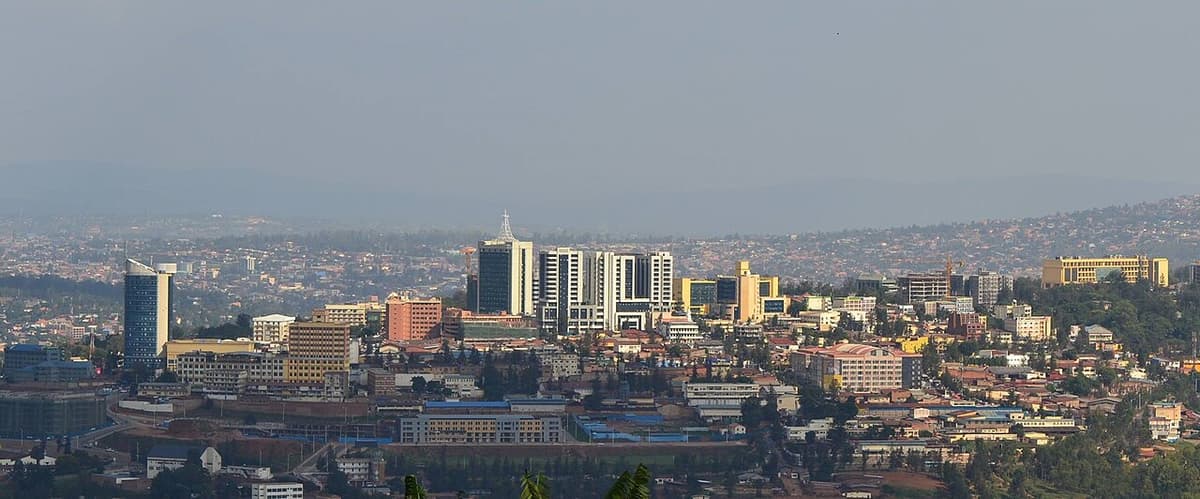
Société - 19 avril 2026
L’épidémie de choléra s’aggrave au Burundi alors que les autorités imposent des sanctions
Bujumbura, le 6 avril 2026 - Le Burundi est aux prises avec une épidémie de choléra qui s'aggrave, les cas continuant d'augmenter dans un contexte d'accès limité à l'eau potable et de contamination de l'environnement suite aux récentes inondations.
Depuis le début de l’année 2026, les autorités sanitaires ont enregistré au moins 3 500 cas à l’échelle nationale, avec une forte augmentation observée ces dernières semaines. En seulement trois jours, 38 nouvelles infections ont été signalées, des patients étant soignés à l'hôpital Prince Régent Charles. Parmi eux, 18 cas provenaient de zones fortement touchées, notamment Bubanza et Bukirasazi.
En réponse, le gouvernement a introduit des mesures plus strictes pour freiner la propagation de la maladie. Les ministères de la Santé, de la Sécurité et de l'Économie ont annoncé des sanctions contre les personnes qui ne respecteraient pas les règles d'hygiène. Ces mesures prendront effet le 6 avril.
La ministre de la Santé, Lydwine Baradahana, a déclaré que les sanctions visent à faire respecter les lois en vigueur sur la santé publique et à renforcer les efforts visant à contenir l'épidémie, ce qui a déjà mobilisé d'importantes ressources gouvernementales.
Les autorités attribuent la propagation rapide de la maladie à plusieurs facteurs, notamment la consommation d'eau contaminée, la manipulation dangereuse des fosses septiques et les raccordements illégaux d'eau aux principales conduites d'alimentation.
Au cours des trois derniers mois, le gouvernement burundais, aux côtés de ses partenaires, a alloué environ 3 milliards de francs burundais pour lutter contre l'épidémie, finançant les soins aux patients ainsi que les initiatives de sensibilisation du public et de réponse d'urgence.
À lire aussi
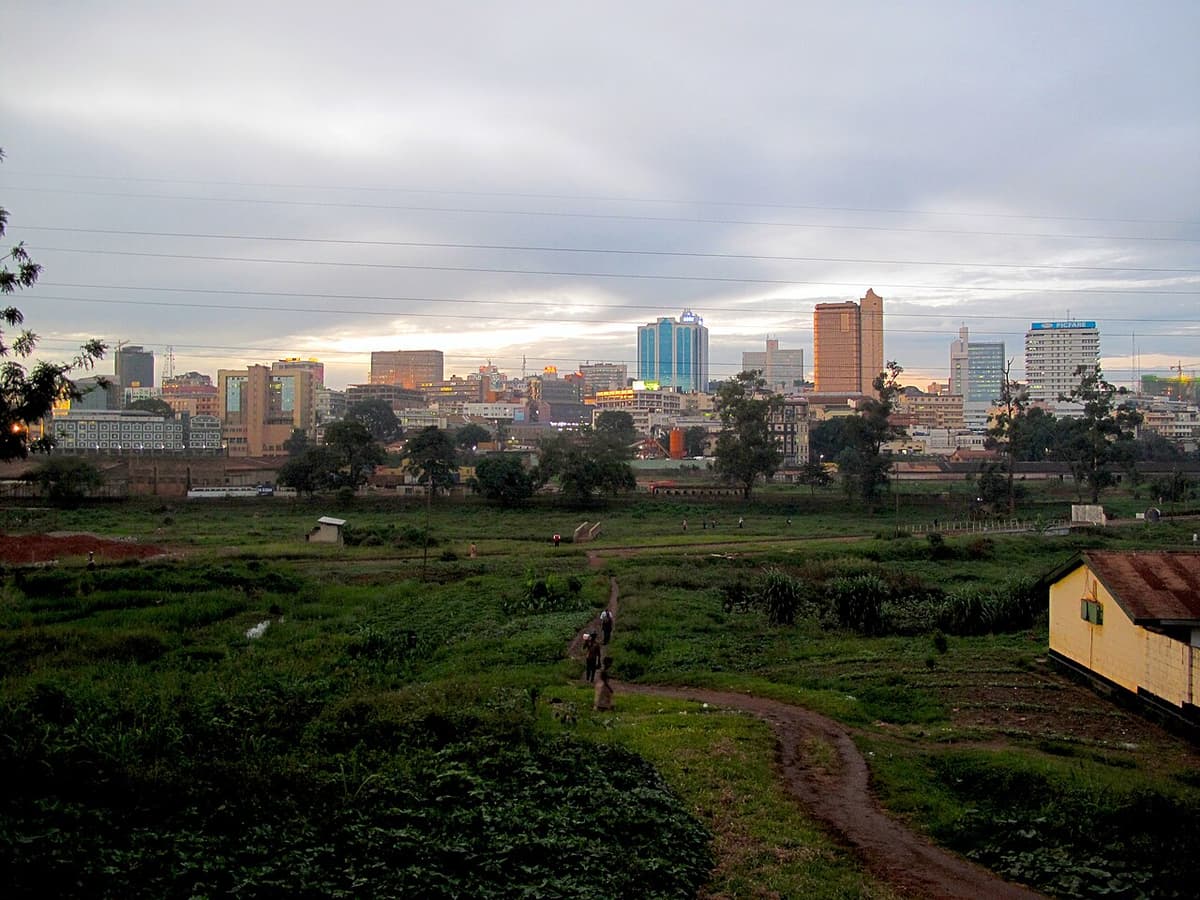
Société - 31 août 2026
L'interdiction de l'enseignement pendant les vacances divise parents et enseignants à l'échelle nationale
Kampala, le 31 août 2026 - Une interdiction gouvernementale de l'enseignement pendant les vacances a déclenché un débat national, mettant en lumière les tensions entre le bien-être des enfants, la qualité de l'éducation…
Par Sarah Ndaya - 2 min de lecture
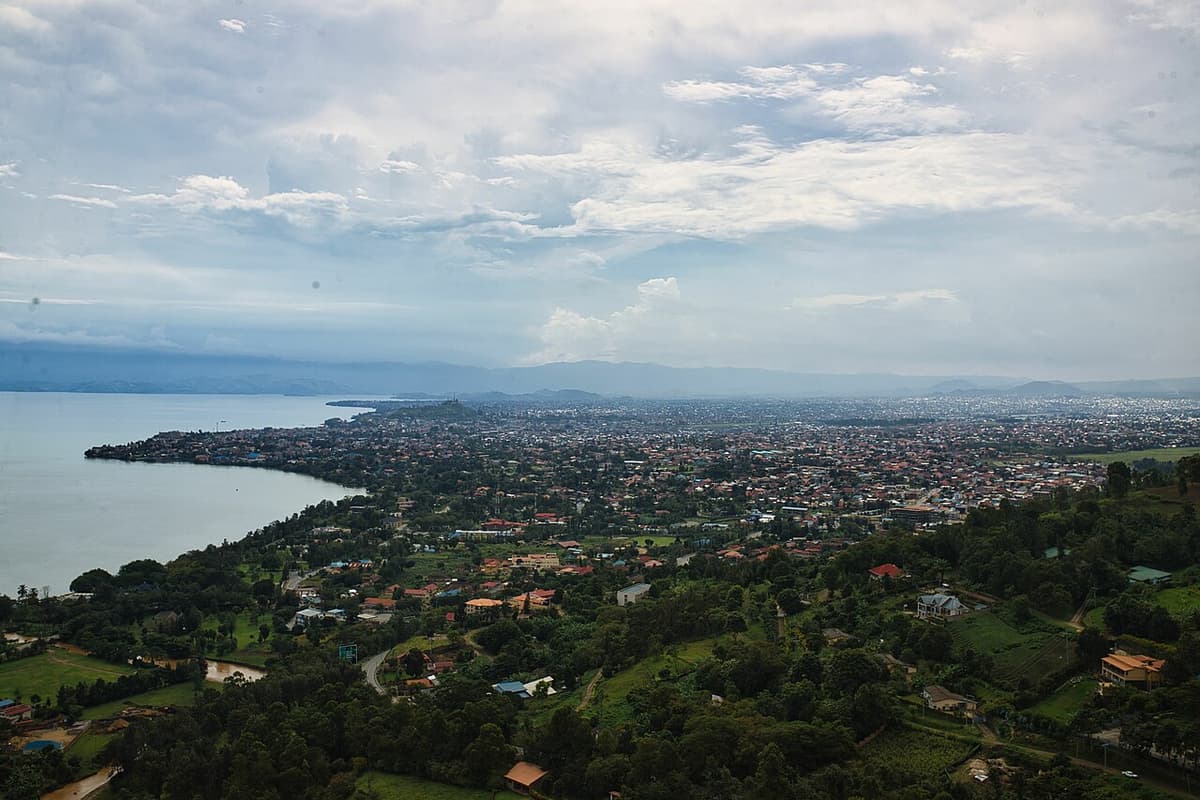
Société - 30 août 2026
Rwanda ordonne des rattrapages après une enquête sur une tricherie massive
Kigali, le 30 août 2026 - Le ministère rwandais de l'Éducation a ordonné à 7 188 élèves du primaire de repasser les examens de fin d'études primaires 2025/26 après que des enquêtes ont confirmé une tricherie massive…
Par Sarah Ndaya - 2 min de lecture
Société - 29 août 2026
L'ancien président du Botswana rejoint les Rwandais lors de l'Umuganda
Kigali, le 29 août 2026 - L'ancien président du Botswana, Mokgweetsi Masisi, a rejoint les Rwandais dans un service communautaire au cours d'une activité d'umuganda, mettant en lumière la tradition rwandaise de travail…
Par Sarah Ndaya - 3 min de lecture