
Culture - 24 janvier 2026
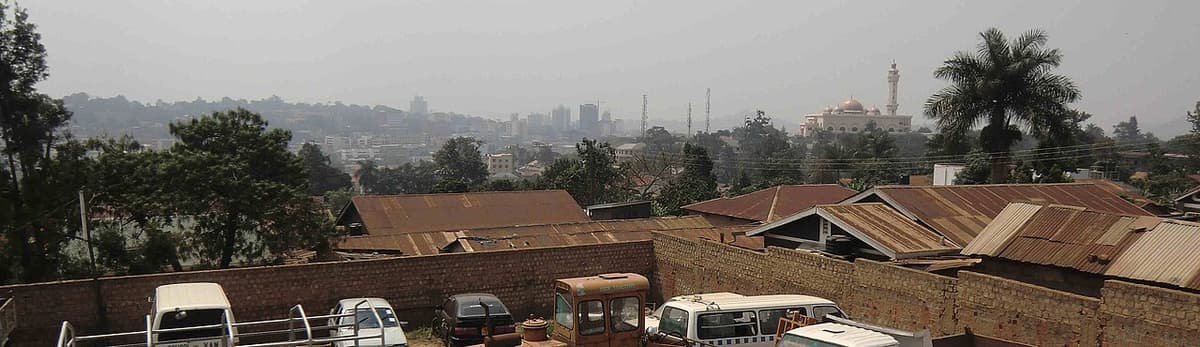
Burundi : Lutte de pouvoir entre le président Ndayishimiye et le leader du CNDD-FDD
Bujumbura, le 14 janvier 2026 - Le Burundi est témoin d'une lutte renouvelée pour le pouvoir politique entre le président Évariste Ndayishimiye et Révérien Ndikuriyo, secrétaire général du parti au pouvoir CNDD-FDD. Les récentes déclarations de Ndikuriyo ont alimenté les spéculations sur qui détient réellement l'autorité dans le pays.
Lors d'une conférence de presse le 2 janvier, Ndikuriyo a suggéré que son influence au Burundi rivalise, voire dépasse, celle du président, signalant un changement dans la dynamique interne du parti. Les observateurs notent que Ndikuriyo a de plus en plus critiqué des hauts fonctionnaires du gouvernement, réfuté des affirmations économiques et affirmé son contrôle sur des décisions nationales clés, y compris la gestion des frontières avec la République Démocratique du Congo et le Rwanda.
Il a publiquement défié le ministre des Finances, Alain Ndikumana, au sujet de menaces sécuritaires présumées impliquant une entreprise d'engrais, et a contredit les assurances du gouvernement concernant les pénuries de pétrole, déclarant que le problème persisterait jusqu'au moins 2029. Ces déclarations contrastent avec les assurances du président Ndayishimiye selon lesquelles l'exploitation minière et d'autres ressources renforceraient l'économie.
Les analystes politiques soulignent que les tensions se sont intensifiées autour du contrôle de la direction de l'Assemblée nationale. Ndayishimiye s'est opposé à la poursuite de Daniel Gélase Ndabirabe à la tête des députés, tandis que Ndikuriyo et les dirigeants du CNDD-FDD ont insisté pour qu'il reste. Ce désaccord s'est étendu à la formation du cabinet, Ndayishimiye nommant des ministres loyaux, y compris dans les domaines de la défense, de la sécurité, de la justice, des affaires étrangères et des finances. Ndikuriyo rejette publiquement la légitimité de ce gouvernement, démontrant davantage la division du pouvoir.
Les défis militaires en cours dans l'est de la RDC ont également affaibli l'autorité perçue de Ndayishimiye, renforçant la position de Ndikuriyo au sein du parti. Les analystes notent que bien que les deux dirigeants partagent des objectifs idéologiques - s'opposant à l'exploitation étrangère et critiquant les institutions gouvernementales - leurs méthodes et leur influence sont fortement contestées.
Historiquement, le CNDD-FDD a connu des conflits internes récurrents, y compris des luttes de pouvoir sous l'ancien président Pierre Nkurunziza entre 2005 et 2010. L'affirmation de Ndikuriyo reflète une continuation de ce schéma, où l'autorité politique est souvent imposée par la loyauté, l'intimidation ou la marginalisation des rivaux.
Malgré les avertissements publics de Ndayishimiye aux fonctionnaires du gouvernement concernant les allégeances doubles, les observateurs remettent en question sa capacité ultime à faire respecter son autorité sur les puissantes structures du parti CNDD-FDD. La lutte de pouvoir actuelle souligne la fragilité de la gouvernance institutionnelle au Burundi et l'influence durable de la direction du parti sur les affaires de l'État.
À lire aussi
Culture - 27 avril 2026
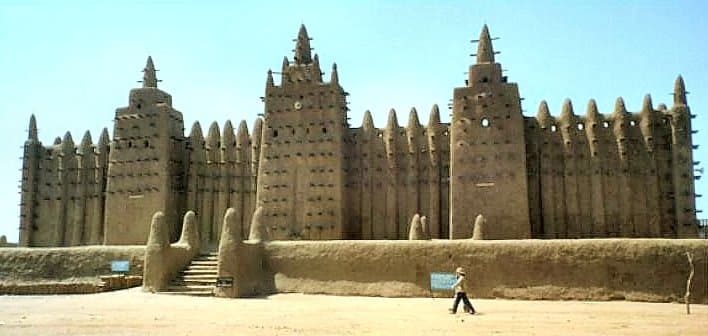
Coopération en matière de déplacement des réfugiés au Sahel
Bamako, le 13 avril 2026 - La 14ème session de la Commission tripartite entre le Mali, le Burkina Faso et le Haut Commissariat des Nations Unies pour les réfugiés (HCR) s'est ouverte lundi à l'hôtel Salam de Bamako…
Par Sarah Ndaya - 3 min de lecture
Culture - 27 avril 2026
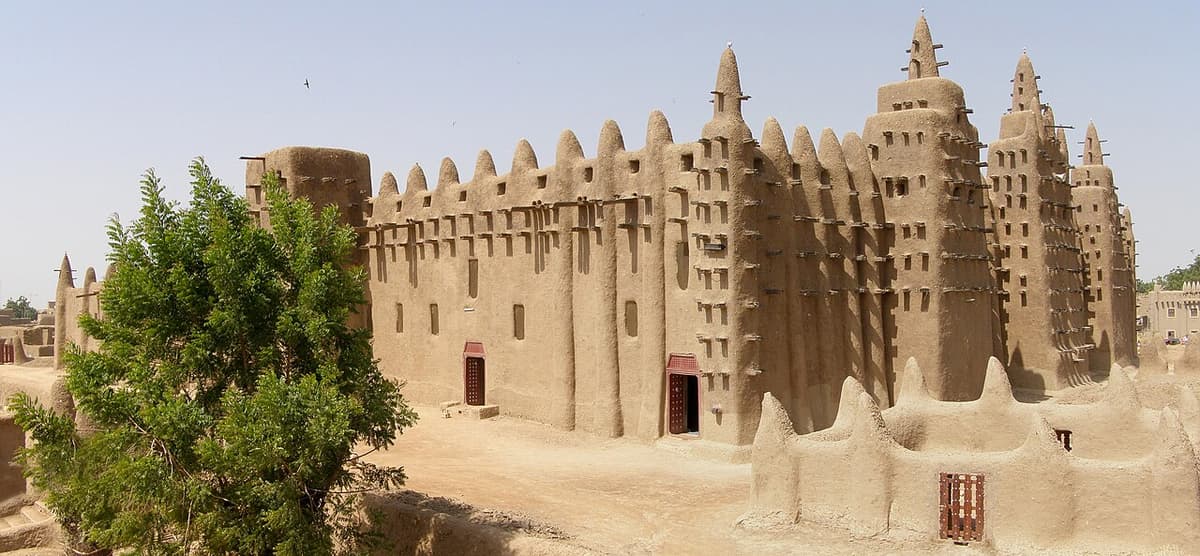
Réforme de l'éducation au Mali
Bamako, le 20 avril 2026 - Les autorités éducatives du Mali ont défini un ambitieux programme de réformes plaçant l'éducation au cœur de la souveraineté nationale, lors d'un échange avec la cinquième promotion de…
Par Amina Kabasele - 3 min de lecture
Culture - 27 avril 2026
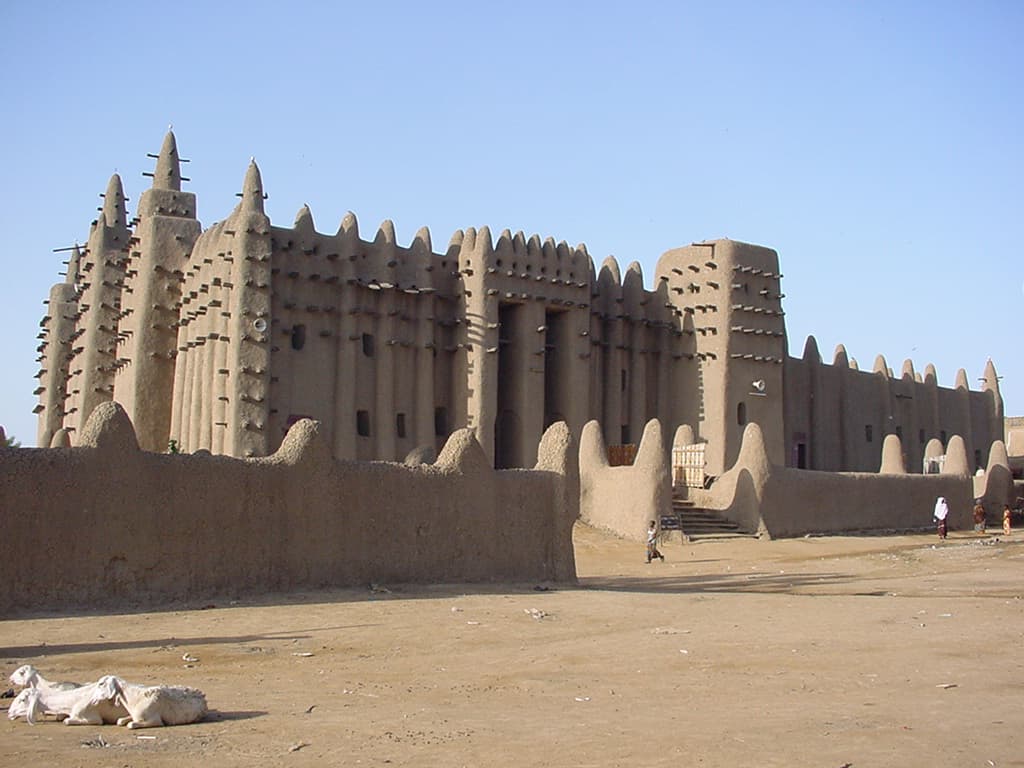
Patrimoine culturel et réconciliation au cœur de la 6e édition à venir
Bamako, le 14 avril 2026 - La promotion du patrimoine culturel et la réconciliation nationale ont été mises à l'honneur, mardi, alors que le ministre de l'Artisanat, de la Culture, de l'Hôtellerie et du Tourisme, Mamou…
Par Amina Kabasele - 3 min de lecture