
Culture - 24 January 2026
Burundi Faces Power Struggle Between President Ndayishimiye and CNDD-FDD Leader
Bujumbura, January 14, 2026 - Burundi is witnessing a renewed struggle for political power between President Évariste Ndayishimiye and Révérien Ndikuriyo, Secretary General of the ruling CNDD-FDD party. Recent statements by Ndikuriyo have fueled speculation over who truly holds authority in the country.
At a press conference on January 2, Ndikuriyo suggested that his influence in Burundi rivals, or even surpasses, that of the president, signaling a shift in internal party dynamics. Observers note that Ndikuriyo has increasingly criticized senior government officials, refuted economic claims, and asserted control over key national decisions, including border management with the Democratic Republic of Congo and Rwanda.
He publicly challenged the Minister of Finance, Alain Ndikumana, over alleged security threats involving a fertilizer company, and contradicted government assurances on petroleum shortages, stating the problem would persist until at least 2029. These statements contrast with President Ndayishimiye’s assurances that mining and other resources would strengthen the economy.
Political analysts highlight that tension escalated over control of the National Assembly leadership. Ndayishimiye opposed Daniel Gélase Ndabirabe continuing as head of deputies, while Ndikuriyo and CNDD-FDD leaders insisted he remain. This disagreement extended to cabinet formation, with Ndayishimiye appointing ministers loyal to him, including in defense, security, justice, foreign affairs, and finance. Ndikuriyo publicly rejects the legitimacy of this government, further demonstrating the power divide.
The ongoing military challenges in eastern DRC have also weakened Ndayishimiye’s perceived authority, bolstering Ndikuriyo’s position within the party. Analysts note that while both leaders share ideological goals-opposing foreign exploitation and criticizing government institutions-their methods and influence are sharply contested.
Historically, the CNDD-FDD has experienced recurring internal conflicts, including power struggles under former President Pierre Nkurunziza between 2005 and 2010. Ndikuriyo’s assertiveness reflects a continuation of this pattern, where political authority is often enforced through loyalty, intimidation, or the marginalization of rivals.
Despite Ndayishimiye’s public warnings to government staff about dual allegiances, observers question his ultimate ability to enforce authority over CNDD-FDD’s powerful party structures. The current power struggle underscores the fragility of institutional governance in Burundi and the enduring influence of party leadership over state affairs.
Related reading
Culture - 27 April 2026
Sahel Displacement Cooperation
Bamako, April 13, 2026 - The 14th session of the Tripartite Commission between Mali, Burkina Faso, and the United Nations High Commissioner for Refugees (UNHCR) opened on Monday at the Salam Hotel in Bamako, focusing on…
By Sarah Ndaya - 3 min read
Culture - 27 April 2026
Education Reform in Mali: Ministers Outline Sovereignty-Driven Vision to Youth Leaders
Bamako, April 20, 2026 - Mali’s education authorities have set out an ambitious reform agenda placing education at the heart of national sovereignty, during an exchange with the fifth cohort of the School of Citizenship.
By Amina Kabasele - 3 min read
Culture - 27 April 2026
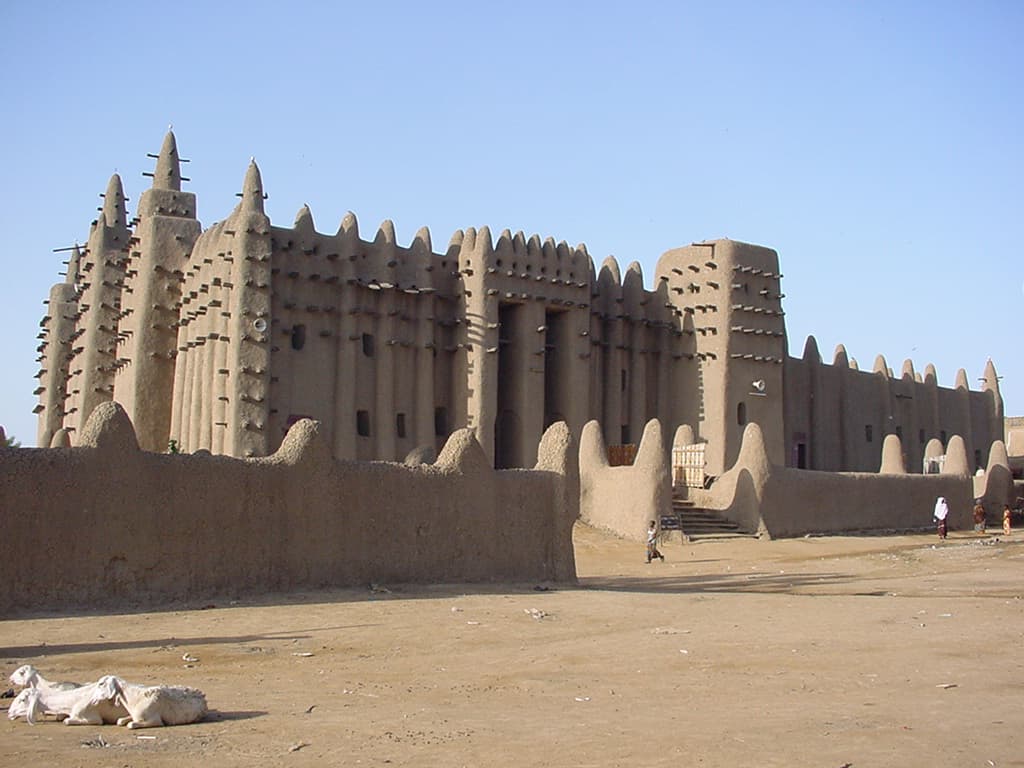
Cultural Heritage and Reconciliation at the Heart of Upcoming 6th Edition
Bamako, April 14, 2026 - The promotion of cultural heritage and national reconciliation was highlighted on Tuesday as the Minister of Crafts, Culture, Hospitality and Tourism, Mamou Daffé, received a delegation from the…
By Amina Kabasele - 3 min read