
Society - 2 November 2025
US, UK Pull Embassy Staff from Mali as Security Situation Worsens
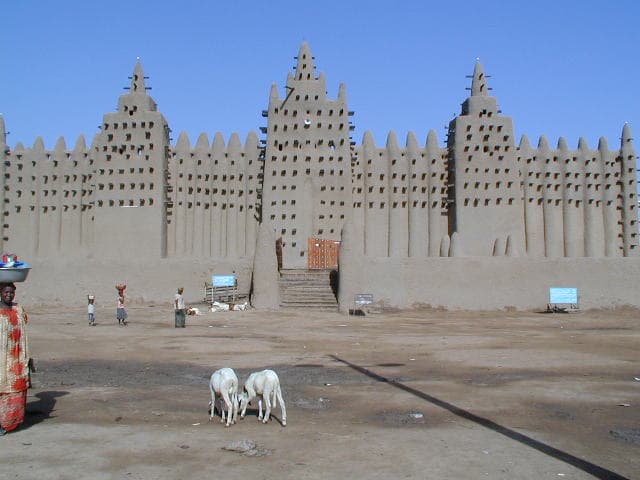
Bamako, November 2, 2025 - The United States and the United Kingdom have withdrawn non-essential embassy staff from Mali as the country grapples with an escalating security crisis marked by a terrorist-led fuel blockade, widespread shortages, and growing instability around the capital.
The US State Department on Thursday ordered the departure of “non-emergency employees and their family members” from the embassy in Bamako, citing increased safety risks. The move followed a Security Alert issued on October 28, which urged all American citizens in Mali to “depart immediately using commercial aviation.”
According to the alert, persistent infrastructure breakdowns, nationwide fuel shortages, and the closure of public institutions - including schools and universities - have severely disrupted normal life. Meanwhile, clashes between Malian forces and jihadist groups near Bamako have heightened fears of further violence.
“The international airport in Bamako remains open and flights are available,” the alert stated. “Overland routes to neighboring countries may not be safe due to terrorist attacks along national highways.”
The U.S. Embassy warned that it could not guarantee emergency support outside the capital and urged citizens who remain in Mali to prepare contingency plans - including provisions to shelter in place for extended periods.
The embassy’s guidance to U.S. citizens included:
Do not attempt to drive through roadblocks
Keep travel documents and communication devices readily available
Maintain a low profile and remain vigilant about surroundings
Britain’s Foreign Office issued a similar warning on Thursday, confirming that “non-essential British Embassy staff have been temporarily withdrawn from Bamako” and advising nationals to leave “immediately by commercial flight if safe to do so.”
Other countries - including Italy, Germany, and Canada - have also called on their citizens to evacuate Mali amid deteriorating conditions.
The crisis stems from a fuel blockade enforced by Jama’at Nusrat al-Islam wal-Muslimin (JNIM), an Al-Qaeda-linked group that has attacked tankers and convoys transporting fuel from Senegal and Côte d’Ivoire since September. The blockade has cut off critical supplies to Bamako, leading to severe fuel shortages, economic paralysis, and growing public unrest.
Multiple tankers have been torched, and several drivers and soldiers killed or kidnapped in recent ambushes. The blockade has effectively isolated the capital, pushing the landlocked Sahel nation deeper into crisis as authorities struggle to restore supply lines and maintain security.
Related reading
Society - 31 August 2026
Holiday Teaching Ban Divides Parents And Teachers Nationwide
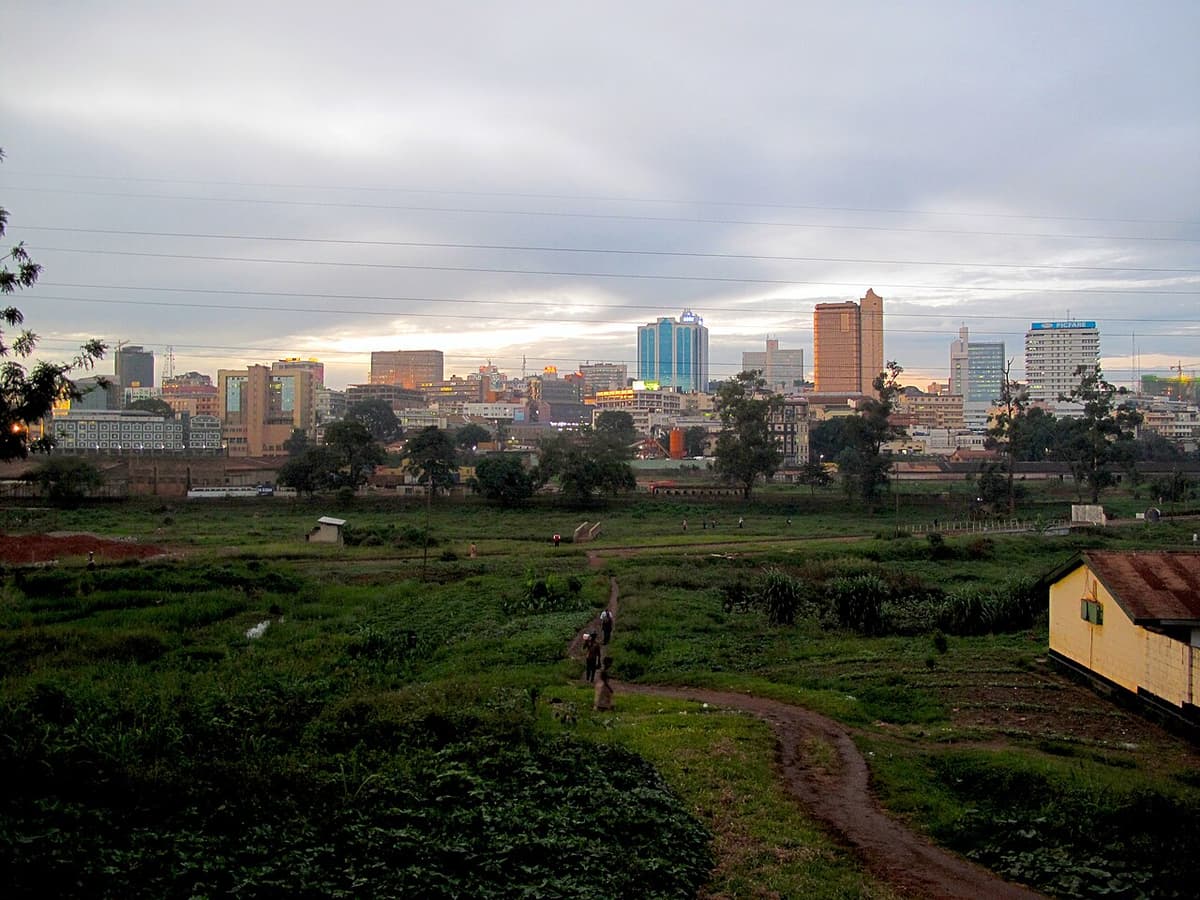
Kampala, August 31, 2026 - A government ban on holiday teaching has triggered nationwide debate, exposing tensions between child welfare, education quality and exam preparation.
By Sarah Ndaya - 2 min read
Society - 30 August 2026
Rwanda Orders Exam Retakes After Mass Cheating Probe
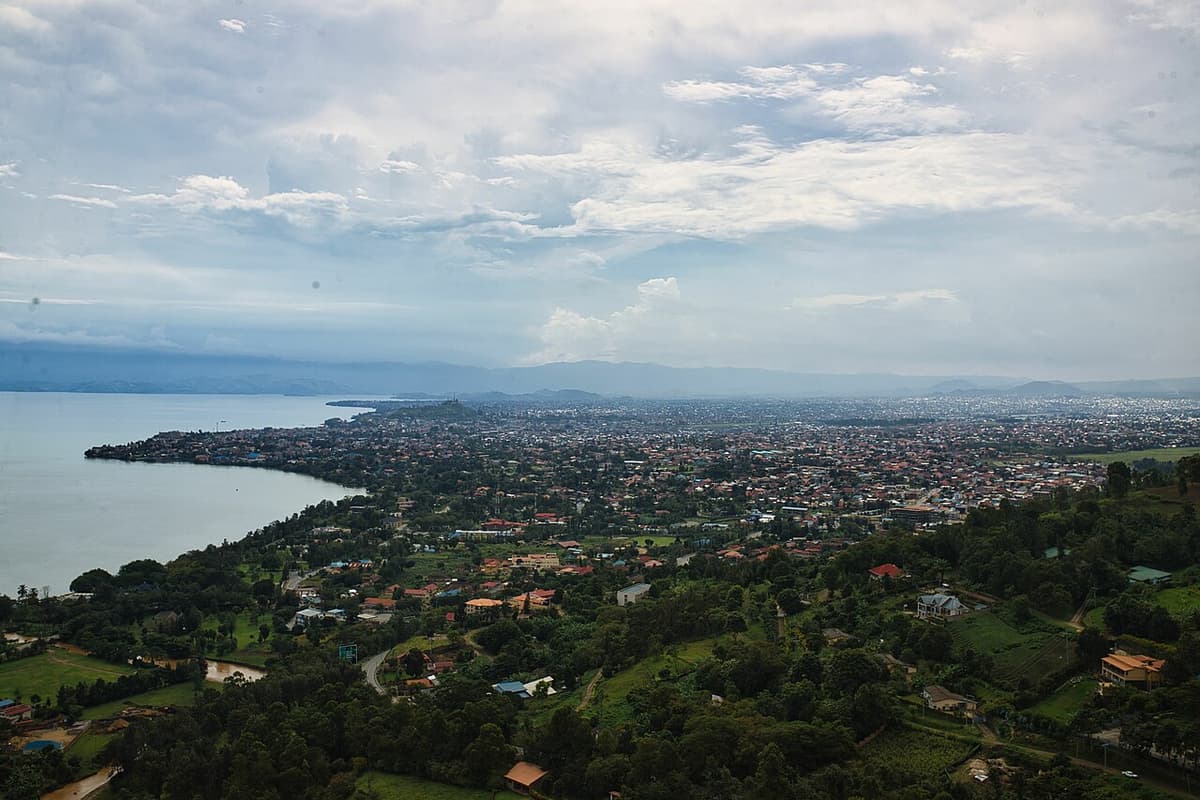
Kigali, August 30, 2026 - Rwanda's Ministry of Education ordered 7,188 primary learners to retake the 2025/26 Primary Leaving Examinations after investigations confirmed mass cheating in 254 examination rooms.
By Sarah Ndaya - 2 min read
Society - 29 August 2026
Former Botswana President Joins Rwandans In Umuganda
Kigali, August 29, 2026 - Former Botswana President Mokgweetsi Masisi joined Rwandans in community service during an umuganda activity, highlighting Rwanda's monthly civic work tradition and its use as a diplomatic…
By Sarah Ndaya - 3 min read