
Politics - 4 August 2026
Rwanda Rebukes DRC Genocost Narrative Amid Renewed Diplomatic Tensions
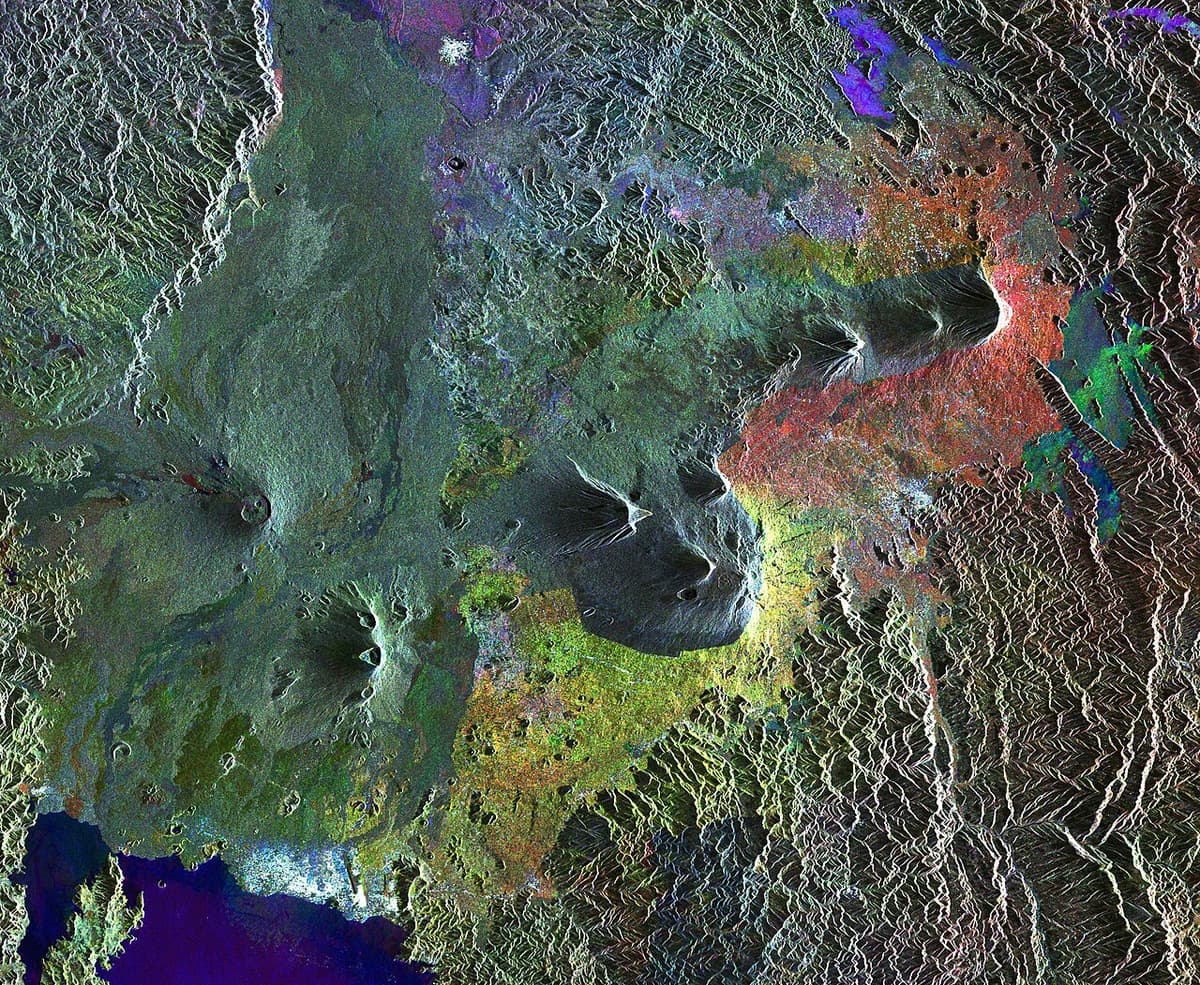
Kigali, August 4, 2026 - Rwanda's Foreign Affairs and International Cooperation Minister Olivier Nduhungirehe accused the Democratic Republic of Congo of deliberately distorting the history of regional conflicts through its "Genocost" commemorations, saying Kinshasa overlooks violence against Congolese Tutsis while casting Rwanda and the AFC/M23 coalition as responsible for decades of atrocities.
The DRC marks August 2 as Genocost, a commemoration of millions of Congolese people it says were killed during conflicts linked to the exploitation of natural resources. The concept was incorporated into the DRC Constitution in December 2022, with President Felix Tshisekedi leading the first official commemoration in 2023 and inaugurating a memorial in Kinshasa in 2025.
Nduhungirehe said the commemoration ignores attacks on Tutsis in the DRC, particularly around the outbreak of the Second Congo War on August 2, 1998, when he said Congolese Tutsis were targeted, beaten, pursued and killed in Kinshasa. He also criticized Tshisekedi for granting state honors after the 2019 death of former DRC Foreign Minister Abdoulaye Yerodia Ndombasi, whom Rwanda accuses of using dehumanizing anti-Tutsi language during the Congo wars.
The minister also rejected Kinshasa's use of the term genocide, arguing that the DRC is attempting to portray itself solely as a victim while shifting responsibility for decades of conflict onto Rwanda. He said the narrative is contradicted by Kinshasa's alleged cooperation with the FDLR, an armed group founded by elements linked to the perpetrators of the 1994 Genocide against the Tutsi in Rwanda.
The dispute comes amid heightened legal and diplomatic tensions between the two countries, including a DRC case filed at the International Court of Justice in June 2026 concerning alleged genocide crimes dating back to 1996. The exchange underscores the persistence of historical grievances in Rwanda-DRC relations and the risk that competing narratives will continue to complicate regional diplomacy.
Related reading

Politics - 31 August 2026
Angolan President Warns Eastern DRC Conflict Could Spill Across Great Lakes
Kinshasa, August 31, 2026 - Angolan President Joao Lourenco warned that the long-running conflict in eastern DRC could have effects across the Great Lakes region, adding diplomatic weight to calls for stronger…
By Amina Kabasele - 3 min read
Politics - 31 August 2026
Rwanda Rejects Ethnic Framing In Uganda Military Chief's Remarks
Kigali, August 31, 2026 - Rwanda pushed back against social-media remarks attributed to Uganda's Chief of Defence Forces, Gen.
By Amina Kabasele - 2 min read
Politics - 31 August 2026
African Union Backs Sudan Dialogue Plan As Civilian Blocs Object
Khartoum, August 31, 2026 - The African Union endorsed a new Sudanese dialogue initiative aimed at ending the civil war, but major civilian and political groups rejected the move as premature and potentially favorable…
By Amina Kabasele - 2 min read