

Justice - 8 March 2026
Rwanda Plans $5 Billion Nuclear Power Plant to Boost Electricity Supply
Kigali, February 24, 2026 - The Rwanda government estimates that more than $5 billion will be required to construct the country’s first nuclear power plant, a strategic project aimed at significantly increasing electricity production nationwide.
Officials indicated that the planned nuclear energy project is expected to strengthen the country’s energy capacity and support long-term industrial development. The initiative was highlighted during a meeting bringing together public institutions and private-sector stakeholders to discuss the investment opportunities linked to the construction of the facility.
Authorities emphasized that building the nuclear power station will require a major financial commitment, estimated between $5 billion and $6 billion, and stressed the importance of private sector participation. The project is expected to involve local industries, particularly companies producing cement, steel, and construction materials, which are among the country’s largest electricity consumers.
The project is also intended to promote local industrial involvement, with national companies encouraged to meet international quality standards in order to contribute to the construction and supply chain. Officials warned that relying exclusively on foreign contractors would represent a missed opportunity for domestic economic growth.
The future nuclear facility is expected to supply electricity across the country and improve industrial productivity, particularly in energy-intensive sectors.
According to projections, Rwanda’s first nuclear plant could become operational in the 2030s, with a specialized workforce of about 230 employees expected to be ready by 2028.
The installation is planned on a site covering between 15 and 50 square kilometers, located far from residential areas. The design includes advanced safety systems, allowing the plant to automatically shut down in the event of a malfunction, preventing the release of harmful radiation.
Related reading

Justice - 31 August 2026
Police Detain Officers Over Dress-Related Arrest In Rubavu
Kigali, August 31, 2026 - Rwanda National Police detained two officers after a video showed them arresting a young woman at Rubavu bus station over the length of her dress, a case that intensified public scrutiny of…
By Amina Kabasele - 2 min read
Justice - 31 August 2026
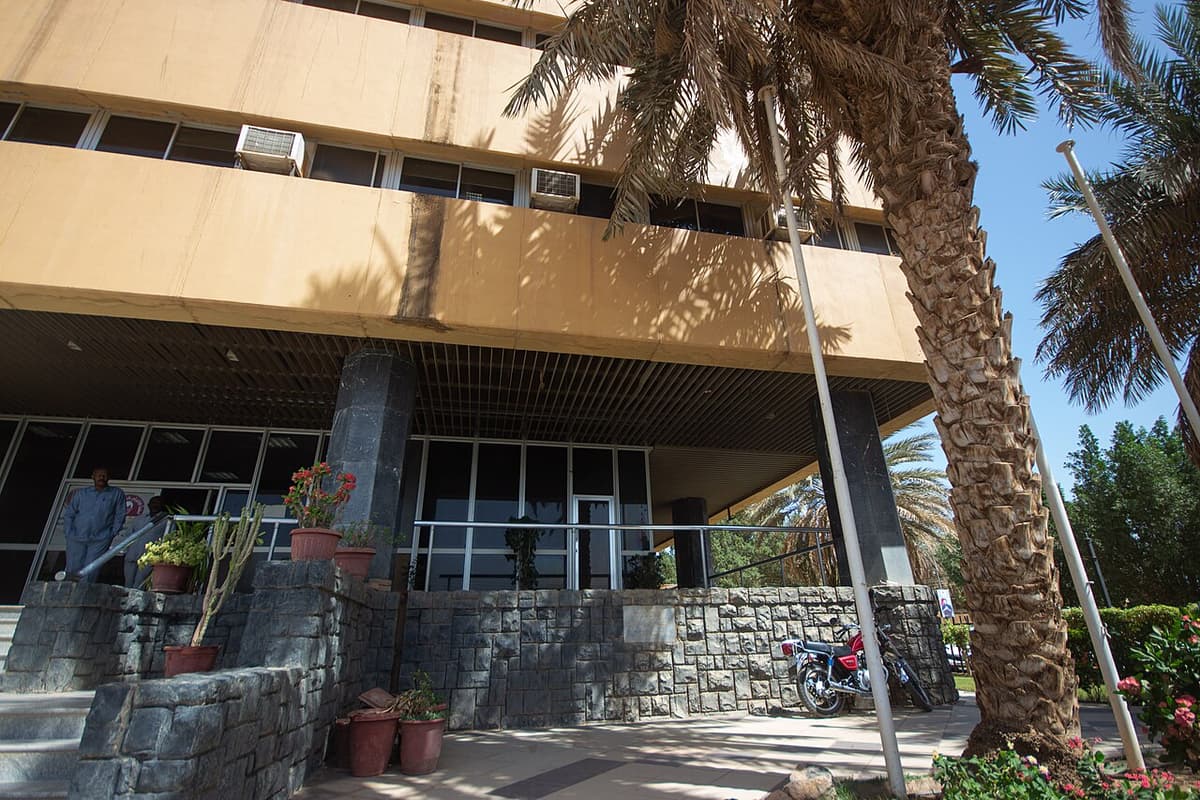
Military Intelligence Detains Doctors Union Leader During Disease Fieldwork
Khartoum, August 31, 2026 - Sudanese Military Intelligence detained Dr Attiya Abdallah, the head of the country's main doctors' union, in a case that highlights mounting pressure on medical and humanitarian workers…
By Amina Kabasele - 2 min read
Justice - 31 August 2026
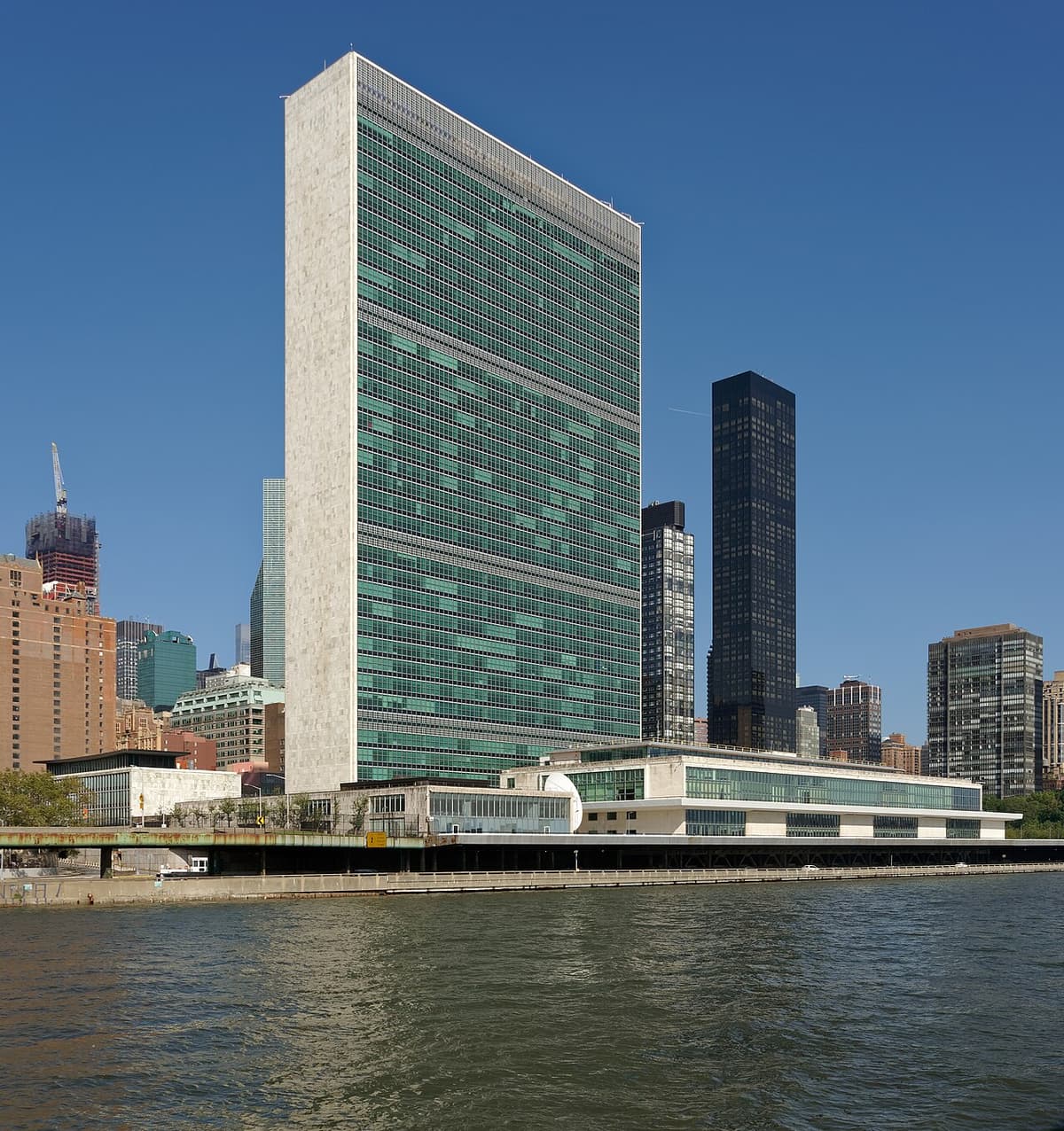
UN Demands Release Of Detained Aid Workers In Sudan
Khartoum, August 31, 2026 - The United Nations called for the immediate and unconditional release of humanitarian workers detained by armed groups in Sudan, warning that arbitrary arrests are obstructing relief…
By Amina Kabasele - 2 min read