
Society - 14 April 2026
Rwanda and Global Partners Mark 32nd Genocide Commemoration Amid Calls to Combat Hate
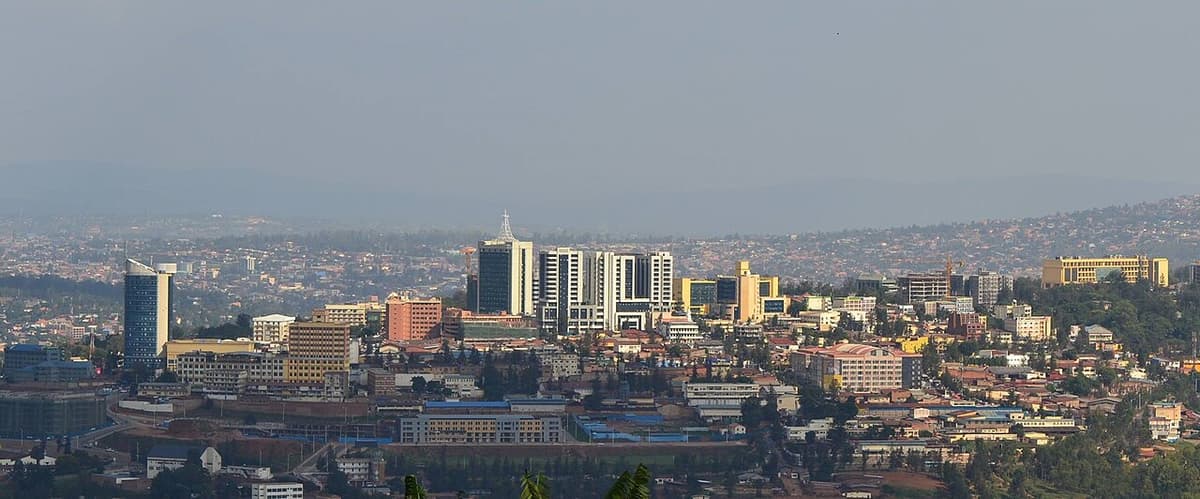
Kigali, April 7, 2026 - Rwanda and international partners have begun the 32nd commemoration of the Genocide against the Tutsi, with ceremonies and messages of remembrance held across the country and abroad under the theme emphasizing reflection, unity, and vigilance against hate speech.
The week of mourning was formally outlined by the Ministry of National Unity and Civic Engagement in coordination with national commemoration structures, detailing nationwide remembrance activities beginning on 7 April and extending through the official 100-day period of reflection.
The opening ceremony took place at the Kigali Genocide Memorial, followed by a nationwide “Walk to Remember” from Gasabo District to BK Arena, where an evening vigil was scheduled. Additional remembrance walks and ceremonies are planned in various districts, including Kicukiro, where participants are expected to gather at memorial sites for reflection and testimony.
Officials stated that essential services, including healthcare and hospitality, will continue operating during the period, while cultural and educational activities will integrate remembrance programming. The national flag is being flown at half-mast as part of official protocol.
Commemorations are also taking place in schools, government institutions, and embassies abroad, each organizing dedicated remembrance sessions between April and early July. Authorities emphasized that these events are intended to foster education, reflection, and intergenerational dialogue.
At the international level, survivors and representatives of organizations supporting genocide remembrance shared testimonies at events including a ceremony at the United Nations headquarters in New York, where survivors recounted personal experiences and called for continued global vigilance against genocide ideology.
Religious and civic institutions also issued statements reflecting on the tragedy, urging communities to uphold unity, reconciliation, and the rejection of denialism or revisionism. Leaders emphasized that remembrance is both a moral duty and a call to action for preventing future atrocities.
Solidarity messages were received from multiple countries and institutions, including governments and international organizations, as well as partners in sports and diplomacy, underscoring the global recognition of the genocide and the commitment to “Never Again.”
Related reading

Society - 31 August 2026
Holiday Teaching Ban Divides Parents And Teachers Nationwide
Kampala, August 31, 2026 - A government ban on holiday teaching has triggered nationwide debate, exposing tensions between child welfare, education quality and exam preparation.
By Sarah Ndaya - 2 min read

Society - 30 August 2026
Rwanda Orders Exam Retakes After Mass Cheating Probe
Kigali, August 30, 2026 - Rwanda's Ministry of Education ordered 7,188 primary learners to retake the 2025/26 Primary Leaving Examinations after investigations confirmed mass cheating in 254 examination rooms.
By Sarah Ndaya - 2 min read
Society - 29 August 2026
Former Botswana President Joins Rwandans In Umuganda
Kigali, August 29, 2026 - Former Botswana President Mokgweetsi Masisi joined Rwandans in community service during an umuganda activity, highlighting Rwanda's monthly civic work tradition and its use as a diplomatic…
By Sarah Ndaya - 3 min read