
Politics - 20 April 2026
Reception of Deportees from the United States Sparks Mixed Reactions in Kinshasa
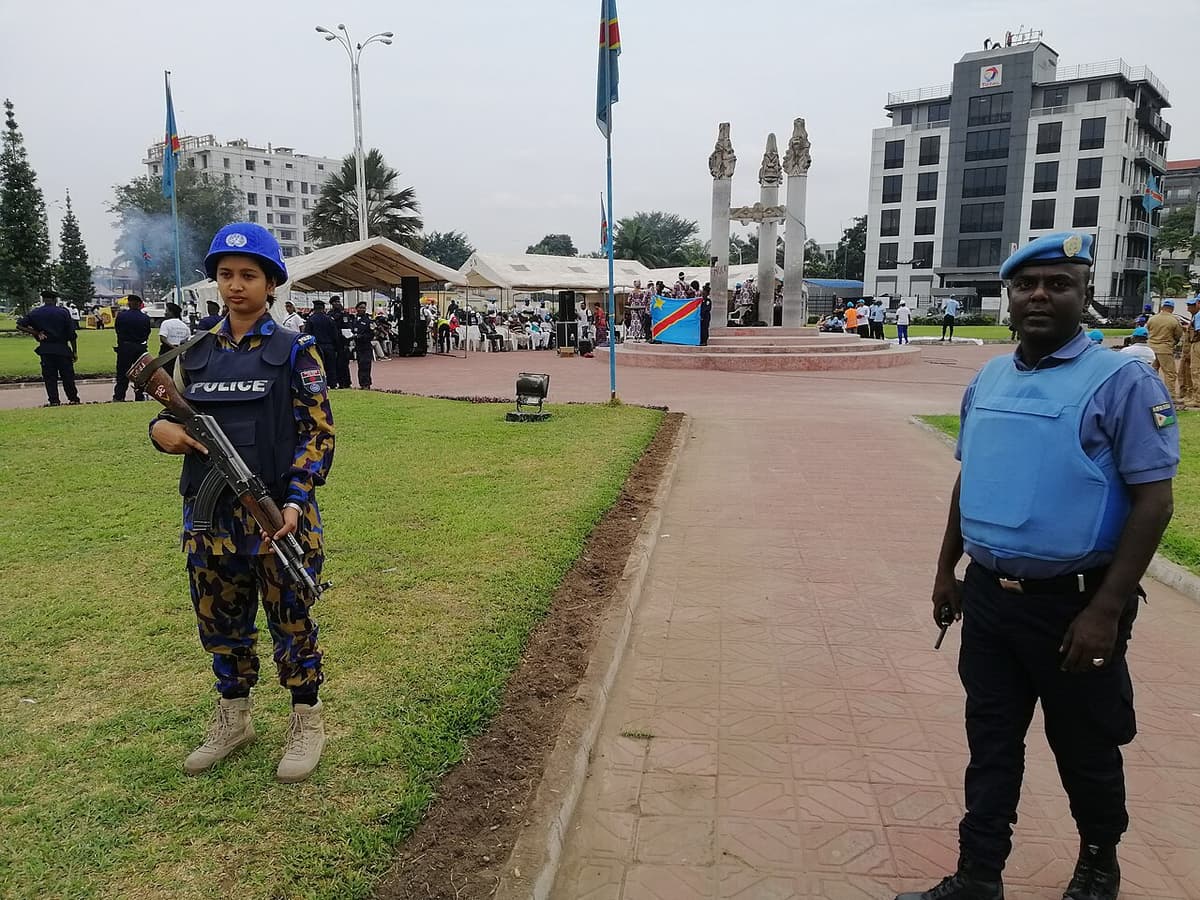
Kinshasa, April 18, 2026 - The arrival of a first group of migrants deported from the United States under a bilateral arrangement with the Democratic Republic of Congo has triggered debate and mixed reactions among residents of the capital.
The group, consisting of around 15 people from several Latin American countries, arrived in Kinshasa on April 17 and was transferred to a reception facility in Bibwa for administrative and humanitarian processing under Congolese authorities.
While the government maintains that the arrangement is temporary and strictly regulated, public opinion in Kinshasa remains divided over the decision.
Some residents view the initiative as part of broader diplomatic cooperation. Entrepreneur Gradi Abolambay said the move could be interpreted as a strategic gesture aimed at strengthening relations between Kinshasa and Washington, although he questioned whether it aligns with the country’s immediate social priorities.
Others expressed concern about the financial and social implications. Lawyer Yann Kitungwa warned that such agreements could raise issues of sovereignty, resource allocation, and international perception, particularly if not accompanied by clear legal safeguards and adequate funding.
More critical voices also referenced historical precedents in the region, drawing parallels with past refugee flows into eastern DRC and warning about potential unintended security and social consequences if such arrangements are not carefully managed.
A third perspective, voiced by residents, focused on security concerns linked to the origins and backgrounds of some deportees, with calls for greater caution and stricter screening mechanisms.
Congolese authorities, however, have reiterated that the arrangement does not involve permanent resettlement. Officials insist it is a temporary mechanism governed by national law, international humanitarian standards, and security oversight procedures, with the DRC retaining full authority over the status and duration of stay of those admitted.
The issue continues to generate discussion in public spaces, reflecting broader questions about diplomacy, national priorities, and migration management in the country’s evolving foreign policy landscape.
Related reading
Politics - 31 August 2026
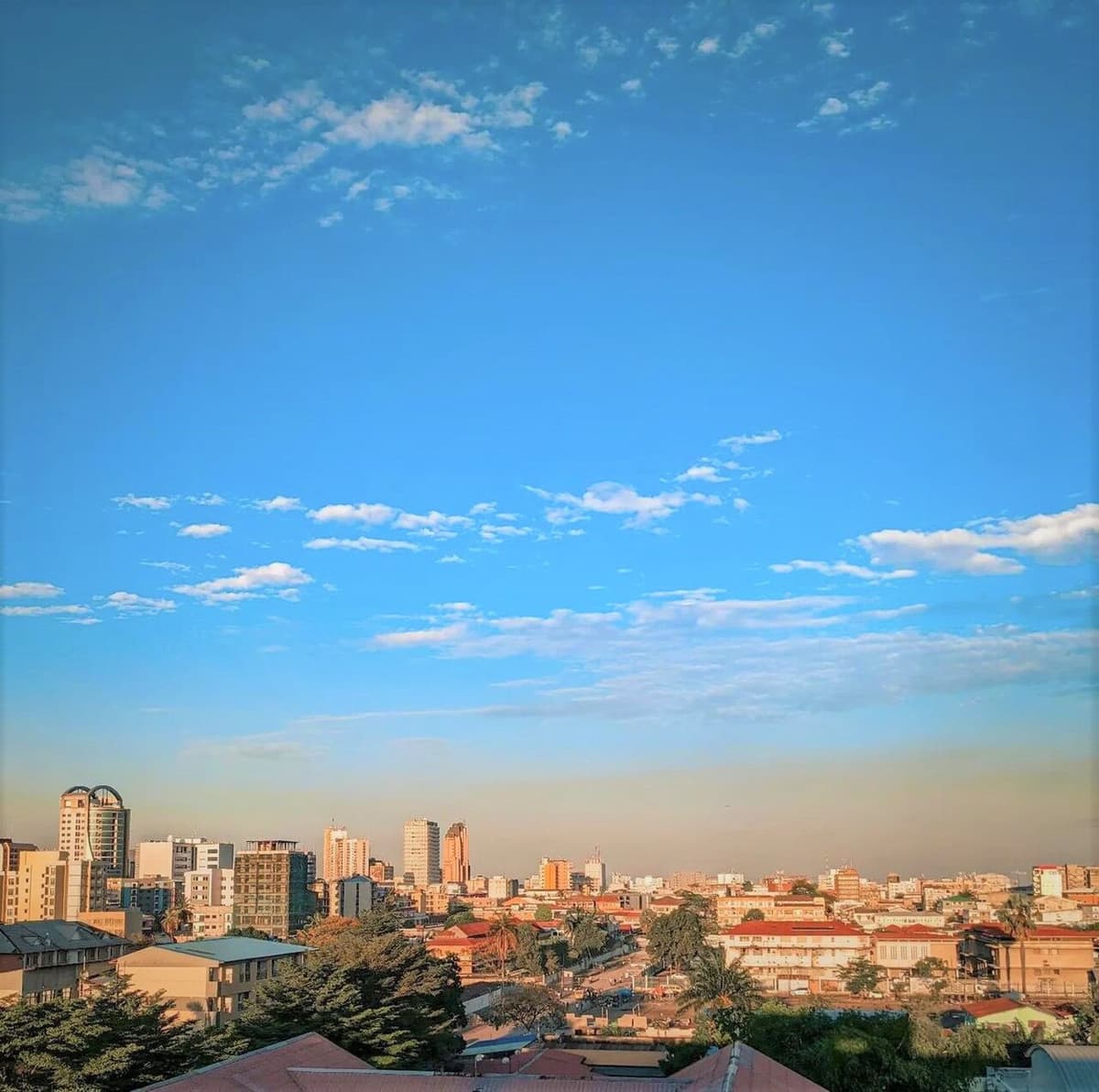
Angolan President Warns Eastern DRC Conflict Could Spill Across Great Lakes
Kinshasa, August 31, 2026 - Angolan President Joao Lourenco warned that the long-running conflict in eastern DRC could have effects across the Great Lakes region, adding diplomatic weight to calls for stronger…
By Amina Kabasele - 3 min read
Politics - 31 August 2026
Rwanda Rejects Ethnic Framing In Uganda Military Chief's Remarks
Kigali, August 31, 2026 - Rwanda pushed back against social-media remarks attributed to Uganda's Chief of Defence Forces, Gen.
By Amina Kabasele - 2 min read
Politics - 31 August 2026
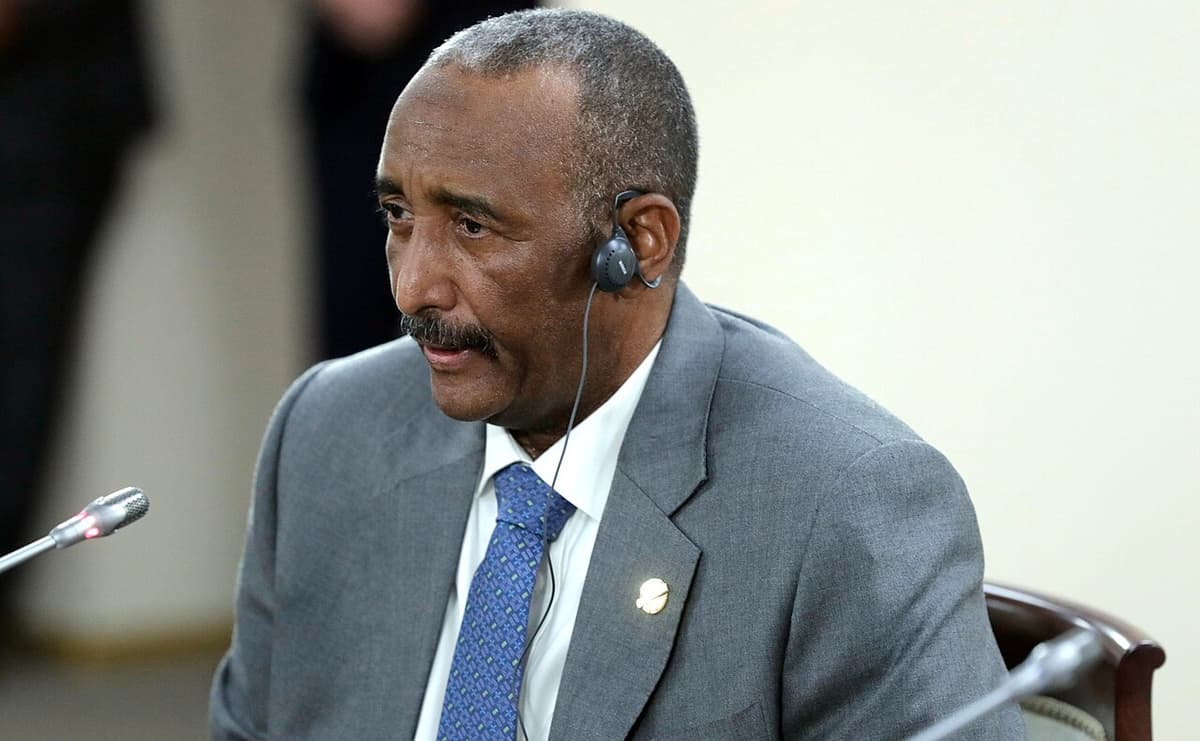
African Union Backs Sudan Dialogue Plan As Civilian Blocs Object
Khartoum, August 31, 2026 - The African Union endorsed a new Sudanese dialogue initiative aimed at ending the civil war, but major civilian and political groups rejected the move as premature and potentially favorable…
By Amina Kabasele - 2 min read