
Politics - 8 July 2026
President Kagame Joins Global Leaders in Geneva to Shape Future of Artificial
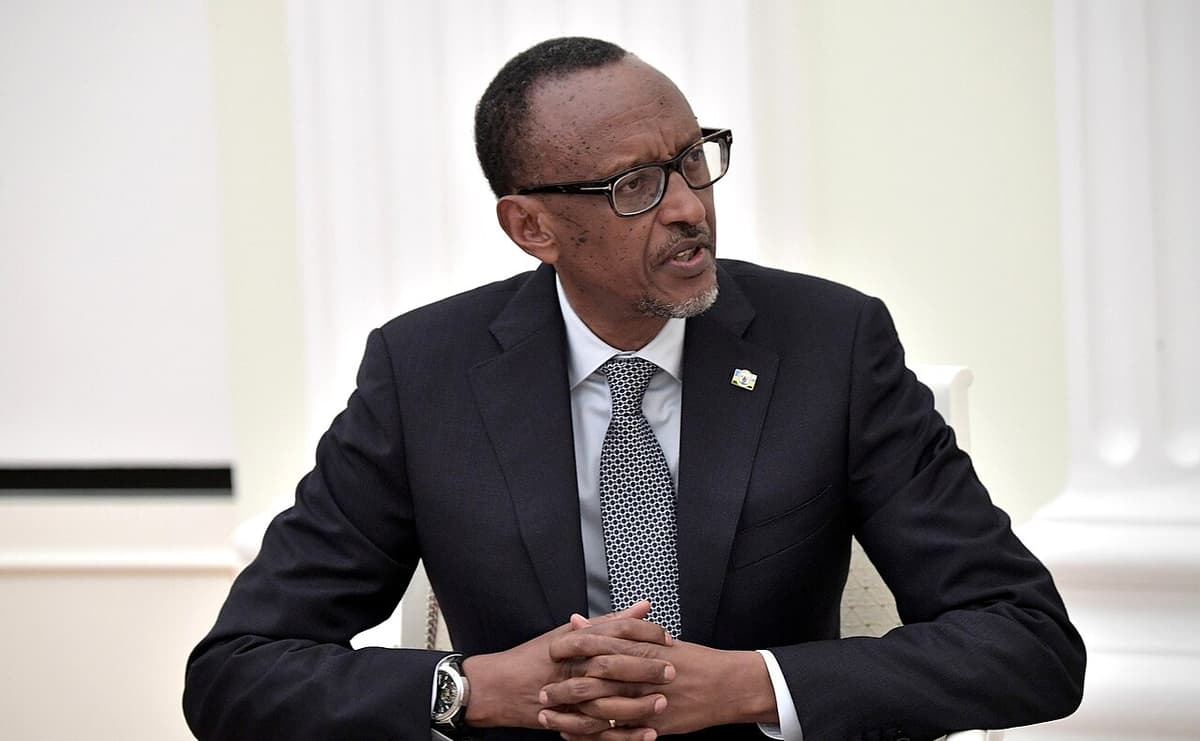
Geneva, July 8, 2026 - President Paul Kagame has joined global leaders and technology experts at the AI for Good Global Summit in Geneva, where discussions are focused on ensuring artificial intelligence serves humanity and helps reduce technological inequalities worldwide.
The summit, organized by the International Telecommunication Union (ITU) in partnership with Switzerland and other United Nations bodies, is taking place from July 7 to 10, 2026. It brings together governments, international organizations, technology companies, and researchers to explore ways of developing and using AI responsibly.
President Kagame addressed participants during the opening session and took part in the launch of a new global commission on artificial intelligence. He will co-chair the commission alongside Salesforce CEO and co-founder Marc Benioff, with ITU Secretary-General Doreen Bogdan-Martin serving as deputy chair.
The commission will bring together political leaders, AI developers, and industry experts to develop a shared vision for the responsible use of artificial intelligence. Its priorities include improving trust in AI systems, expanding access for developing countries, strengthening digital infrastructure, building human capacity, and reducing the technology gap between nations.
The summit comes amid growing global debate over AI's opportunities and risks. While the technology is being applied in sectors such as healthcare, education, agriculture, public services, and security, experts have raised concerns about misinformation, cybersecurity threats, economic inequality, and the exclusion of countries lacking the resources to adopt and regulate AI.
Rwanda's participation reflects its long-term focus on technology as a driver of development. The country has promoted digital innovation, expanded technology-based services, and invested in building skills among young people as part of its broader development strategy.
Related reading

Politics - 31 August 2026
Angolan President Warns Eastern DRC Conflict Could Spill Across Great Lakes
Kinshasa, August 31, 2026 - Angolan President Joao Lourenco warned that the long-running conflict in eastern DRC could have effects across the Great Lakes region, adding diplomatic weight to calls for stronger…
By Amina Kabasele - 3 min read
Politics - 31 August 2026
Rwanda Rejects Ethnic Framing In Uganda Military Chief's Remarks
Kigali, August 31, 2026 - Rwanda pushed back against social-media remarks attributed to Uganda's Chief of Defence Forces, Gen.
By Amina Kabasele - 2 min read
Politics - 31 August 2026
African Union Backs Sudan Dialogue Plan As Civilian Blocs Object
Khartoum, August 31, 2026 - The African Union endorsed a new Sudanese dialogue initiative aimed at ending the civil war, but major civilian and political groups rejected the move as premature and potentially favorable…
By Amina Kabasele - 2 min read