
Politics - 4 August 2026
Nduhungirehe Accuses DRC of “Deliberate Insult” Over Genocost Commemorations
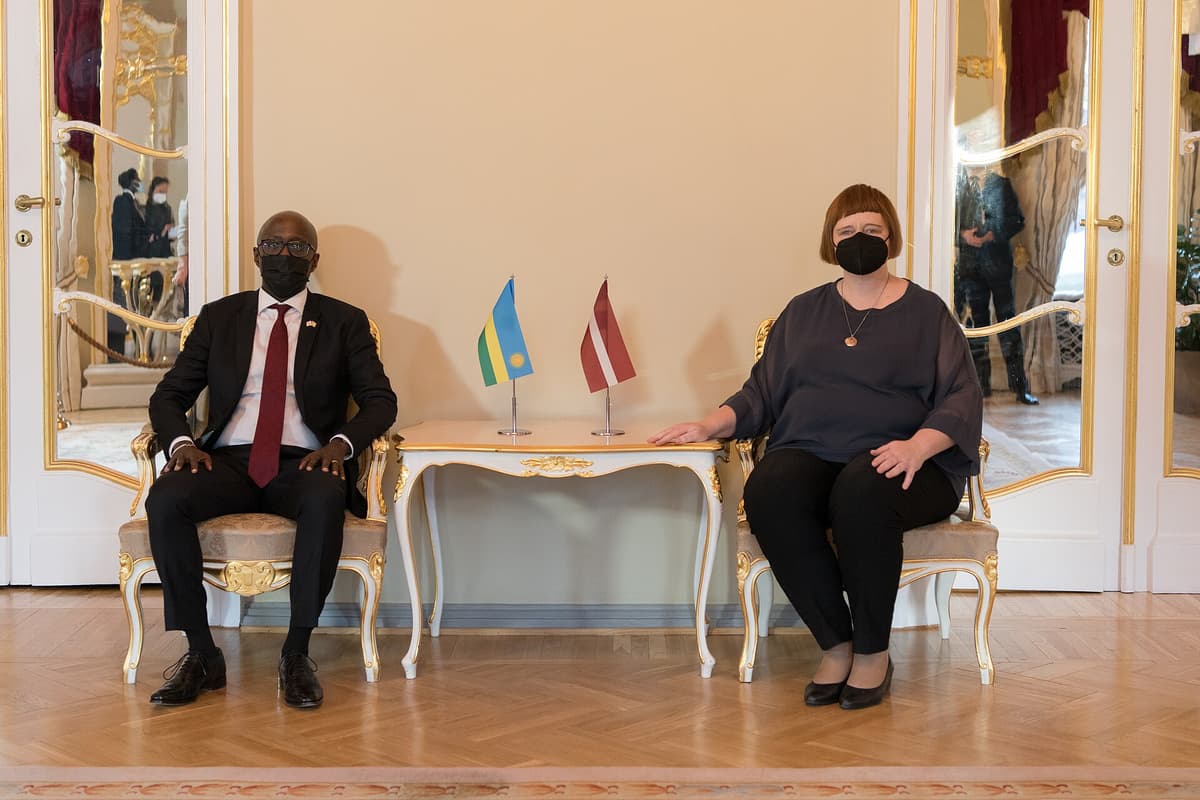
Kigali, August 4, 2026 - Rwanda’s Minister of Foreign Affairs and International Cooperation, Olivier Nduhungirehe, has accused the Democratic Republic of Congo of deliberately distorting the history of the country’s conflicts by commemorating what Kinshasa calls “Genocost” while allegedly overlooking violence against Congolese Tutsis.
The DRC marks August 2 as Genocost, a commemoration dedicated to millions of Congolese people the government says were killed over decades of conflict linked to the exploitation of the country’s natural resources. The concept was incorporated into the DRC Constitution in December 2022, while President Félix Tshisekedi led the first official commemoration in 2023 and inaugurated a Genocost memorial in Kinshasa in 2025.
During the August 2, 2026 commemoration, Tshisekedi accused Rwanda and the AFC/M23 coalition of responsibility for atrocities committed in the DRC over the past three decades. Nduhungirehe rejected that narrative, arguing that Kinshasa’s commemoration ignores violence committed against Tutsis in the DRC, particularly during the outbreak of the Second Congo War in 1998.
Nduhungirehe pointed specifically to violence in Kinshasa on August 2, 1998, when, according to his account, Congolese Tutsis were targeted, beaten, pursued and killed. He also cited statements attributed to then-Foreign Affairs Minister Abdoulaye Yerodia Ndombasi, whom he accused of using dehumanizing language against Tutsis. Nduhungirehe said Belgium subsequently issued an arrest warrant against Ndombasi over allegations linked to his statements, but that he was never prosecuted by Congolese authorities.
Ndombasi died on February 19, 2019, and Nduhungirehe criticized Tshisekedi for allowing him to receive an official funeral and state honors. The Rwandan minister argued that Kinshasa cannot present itself solely as a victim of mass atrocities while, in his view, failing to acknowledge violence against Tutsis and the role of Congolese political actors in fueling ethnic persecution.
Related reading
Politics - 15 August 2026
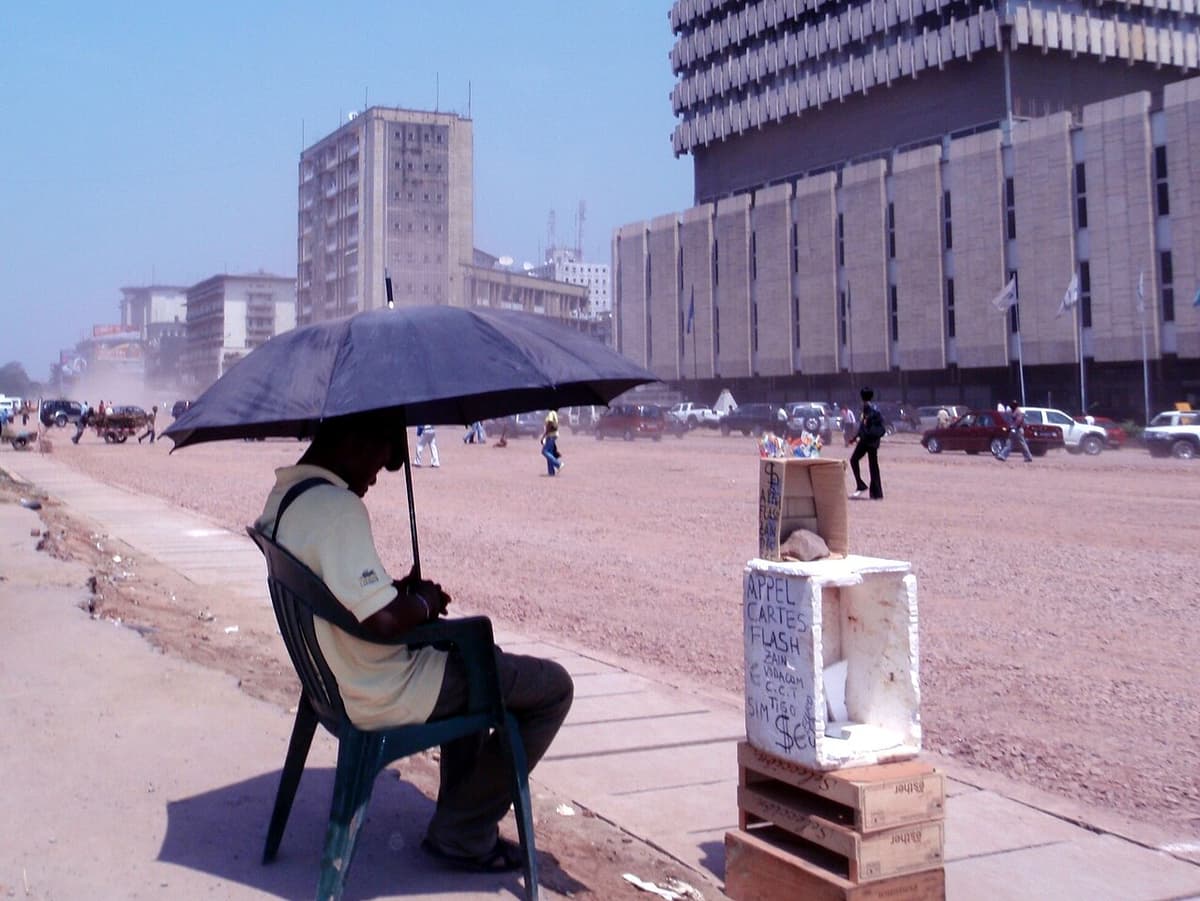
Rwanda Rejects DRC’s Genocide Narrative
Nduhungirehe also criticized Kinshasa’s decision to use the term “genocide,” arguing that the DRC is attempting to portray itself exclusively as a victim and shift responsibility for decades of conflict onto Rwanda.
By Amina Kabasele - 2 min read
Politics - 14 August 2026
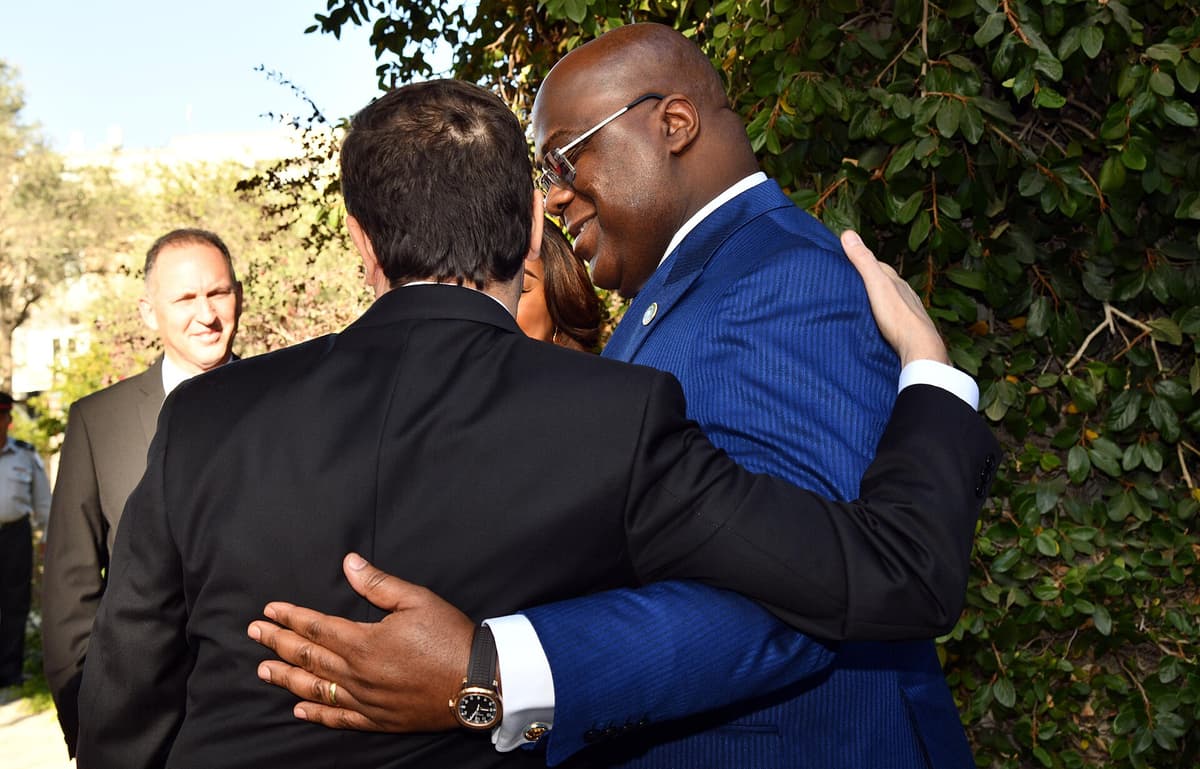
Referendum Law Sent Back and Dialogue Ultimatum Shape Mid-August Political Standoff
Kinshasa, DRC, August 14, 2026 - Mid-August politics in the Democratic Republic of the Congo crystallised around two interlocking tracks: the fate of the referendum-organisation law and the still-unsigned national…
By Amina Kabasele - 3 min read
Politics - 14 August 2026
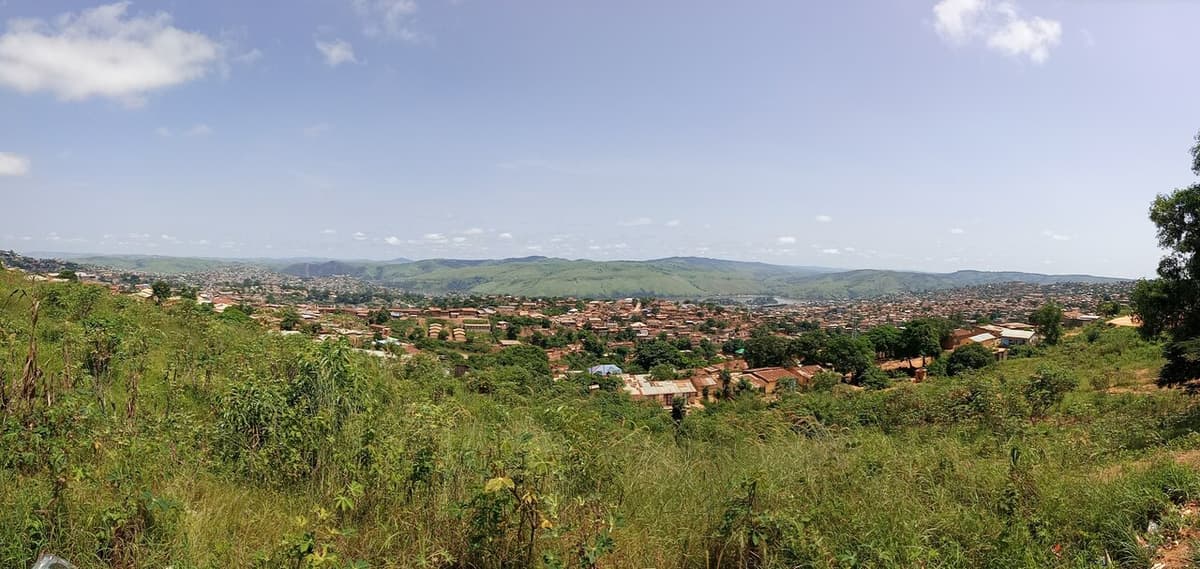
DRC Restored to Full SADC Participation After Paying Arrears
Kinshasa, 14 August 2026 - The Democratic Republic of Congo has regained full rights to participate in the Southern African Development Community (SADC) after more than two years of suspension linked to unpaid financial…
By Amina Kabasele - 2 min read