
Justice - 5 November 2025
Mali Court Jails Former Prime Minister Moussa Mara Over Social Media Post
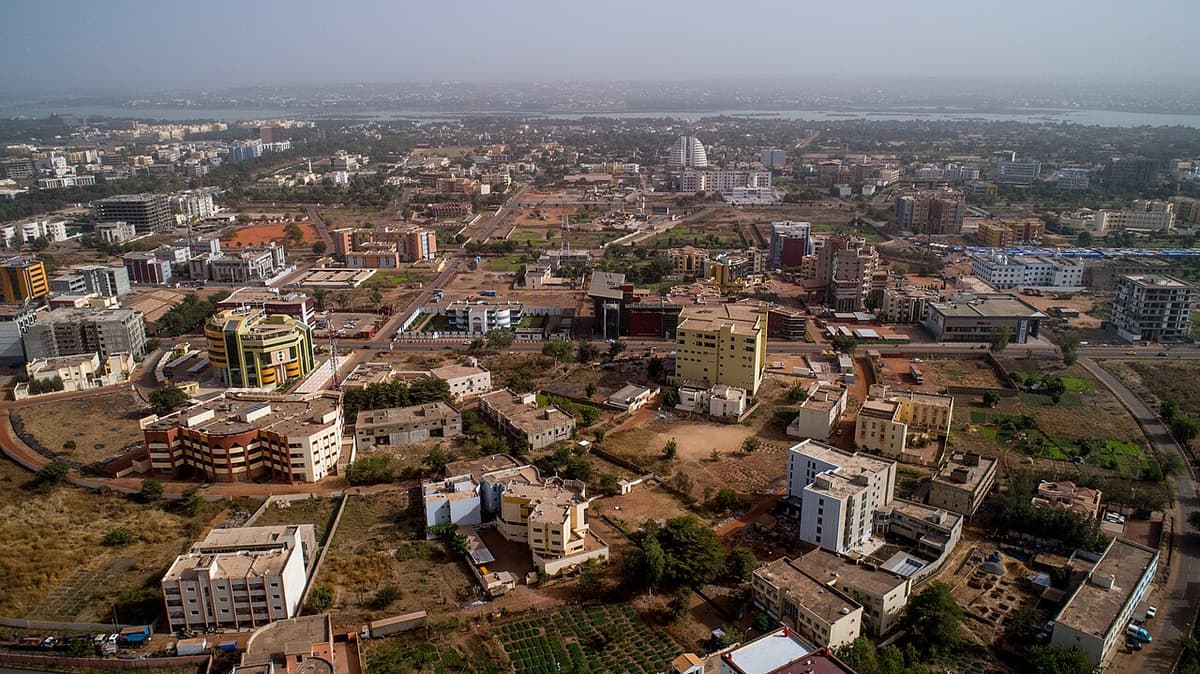
Bamako, November 5, 2025 - A court in Mali has sentenced former Prime Minister Moussa Mara to one year in prison over a social media post expressing solidarity with political prisoners, in a ruling that has drawn sharp criticism from human rights groups.
The National Cybercrime Centre Court in Bamako found Mara guilty on Monday, October 27, 2025, of “undermining the credibility of the state and opposing legitimate authority.” In addition to his one-year prison term without parole, the court imposed a 12-month suspended sentence and a fine of 500,000 CFA francs (about $887).
Mara, 50, who served as Prime Minister from 2014 to 2015, was arrested on August 1 after publishing a post on X (formerly Twitter) in which he named several detained political figures and declared his “unwavering solidarity with prisoners of conscience.”
“As long as the night lasts, the sun will appear,” he wrote on July 4. “We will fight by all means for this to happen as soon as possible.”
His legal team denounced the sentence as unjust and confirmed plans to appeal.
“The judicial battle does not end today,” Mara’s lawyers said in a statement. “It continues with the same determination, on the grounds of law and truth.”
A close associate of Mara, speaking anonymously, said the decision was expected but “made no sense,” adding: “Tell me what his crime is.”
Mali has been under military rule since 2020, when General Assimi Goïta seized power following two consecutive coups. Despite pledges to return the country to civilian governance by 2024, elections have been repeatedly postponed. Earlier this year, the junta dissolved political parties and extended Goïta’s mandate by five years.
Amnesty International condemned the ruling as a “travesty of justice,” urging the authorities to end their “escalating repression of peaceful dissent” and to release individuals detained for expressing their opinions.
The conviction marks one of the most high-profile prosecutions of a political figure since the junta took power and reflects what observers describe as tightening restrictions on free expression in Mali.
Related reading

Justice - 31 August 2026
Police Detain Officers Over Dress-Related Arrest In Rubavu
Kigali, August 31, 2026 - Rwanda National Police detained two officers after a video showed them arresting a young woman at Rubavu bus station over the length of her dress, a case that intensified public scrutiny of…
By Amina Kabasele - 2 min read
Justice - 31 August 2026
Military Intelligence Detains Doctors Union Leader During Disease Fieldwork
Khartoum, August 31, 2026 - Sudanese Military Intelligence detained Dr Attiya Abdallah, the head of the country's main doctors' union, in a case that highlights mounting pressure on medical and humanitarian workers…
By Amina Kabasele - 2 min read
Justice - 31 August 2026
UN Demands Release Of Detained Aid Workers In Sudan
Khartoum, August 31, 2026 - The United Nations called for the immediate and unconditional release of humanitarian workers detained by armed groups in Sudan, warning that arbitrary arrests are obstructing relief…
By Amina Kabasele - 2 min read