
Politics - 20 November 2025
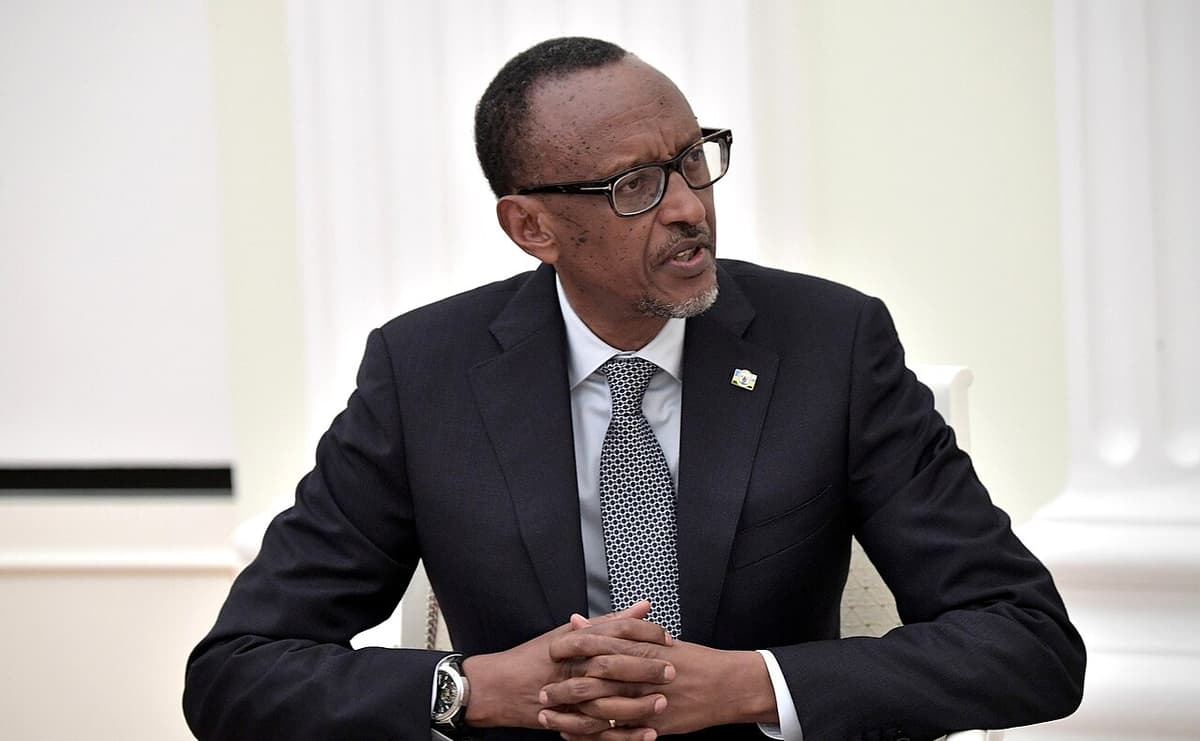
Kagame Accuses Europe of Longstanding Exploitation of DRC Minerals: “They Looted More Than Anyone Else”
Kigali, November 20, 2025 - KIGALI - President Paul Kagame has sharply criticized European countries for what he described as centuries-long exploitation of the Democratic Republic of Congo’s mineral wealth, arguing that Europe should not be quick to accuse Rwanda of smuggling precious minerals from its neighbor.
Speaking during a press conference on November 27, 2025, Kagame said that European powers-historically and even today-have profited extensively from resources originating in the DRC, despite lacking any significant mineral deposits of their own.
“They Have Looted More Than Anyone Else”
Responding to renewed accusations that Rwanda benefits from smuggled minerals originating in the eastern DRC, Kagame said: “They have looted them more than anyone else I have ever known in the world. They trade precious stones in Antwerp. Diamonds-do they mine diamonds? Do they have gold mines?”
He argued that Europe’s legacy of exploitation remains visible today, pointing to the Antwerp Diamond District, one of the world’s biggest trading hubs, built on stones sourced largely from Africa, particularly Congo.
European involvement in Congo’s mineral exploitation dates back to the colonial era. Between 1885 and 1960, Belgium extracted enormous quantities of diamonds, gold, copper, ivory, and other valuable resources during its rule over what was then known as the Congo Free State and later the Belgian Congo.
Kagame said this history undermines the credibility of European states when they point fingers at Rwanda today.
Rwanda Says It Has Followed Transparency Measures
Kagame revealed that Rwanda had engaged in extensive verification processes, in collaboration with European partners, to certify the origin of minerals exported from Rwanda.
According to him, Rwanda “went through all the steps” required for transparency in mineral trade but faced political interference: “There were cooperation agreements we were ready to sign with Europe. A lot was done regarding verification. Surprisingly, the DRC came and said: ‘Don’t sign anything with them.’”
The president maintained that Rwanda’s mineral exports follow legal channels and do not originate from conflict zones.
Kagame criticized what he sees as a pattern of repeated accusations that eventually shape international opinion.
He said: “Some Congolese sell minerals through Rwanda, Burundi, Uganda or other neighbors. But when it comes to precious stones, they always speak about Rwanda because they have heard these accusations many times.”
Figures for 2024/2025 show that Rwanda earned $1.7 billion from mineral exports, driven largely by the expansion of professional mining and value-addition industries.Kagame said these reforms aim to shift Rwanda from raw exports toward processing and refining.
Kagame Questions International Silence on FDLR’s Role in Mineral Smuggling
The president also criticized what he described as the international community’s lack of attention to the role of the Democratic Forces for the Liberation of Rwanda (FDLR)-a militia operating in eastern DRC since the 1994 Genocide against the Tutsi.
“Why Is the FDLR Being Acquitted?”
Kagame said that for years, the FDLR has controlled parts of Goma and surrounding areas-regions central to today’s conflict-but has not been scrutinized regarding mineral trafficking.
He asked: “Why is the FDLR being acquitted when we report on it every day? They say it is small. If they think it is small, they should come and speak with those recently repatriated from the DRC. They will give you information.”
It is estimated that between 7,000 and 10,000 FDLR fighters remain active, including those integrated within FARDC units, those working with local militias supported by the government, and independent cells.
Kagame stated that some of these fighters are involved in mining activities in eastern Congo:“Where do they sell the minerals? It seems they end up in Europe, and then Rwanda is blamed.”
The president suggested that European narratives often shape global opinion, regardless of facts: “Sometimes they exaggerate. People think what they say is the truth, yet they are the ones who have played a major role in this issue.”
Related reading
Politics - 31 August 2026
Angolan President Warns Eastern DRC Conflict Could Spill Across Great Lakes
Kinshasa, August 31, 2026 - Angolan President Joao Lourenco warned that the long-running conflict in eastern DRC could have effects across the Great Lakes region, adding diplomatic weight to calls for stronger…
By Amina Kabasele - 3 min read
Politics - 31 August 2026
Rwanda Rejects Ethnic Framing In Uganda Military Chief's Remarks
Kigali, August 31, 2026 - Rwanda pushed back against social-media remarks attributed to Uganda's Chief of Defence Forces, Gen.
By Amina Kabasele - 2 min read
Politics - 31 August 2026
African Union Backs Sudan Dialogue Plan As Civilian Blocs Object
Khartoum, August 31, 2026 - The African Union endorsed a new Sudanese dialogue initiative aimed at ending the civil war, but major civilian and political groups rejected the move as premature and potentially favorable…
By Amina Kabasele - 2 min read