
Politics - 20 April 2026
DRC-US Migration Arrangement Sparks Debate as First Deportees Arrive in Kinshasa
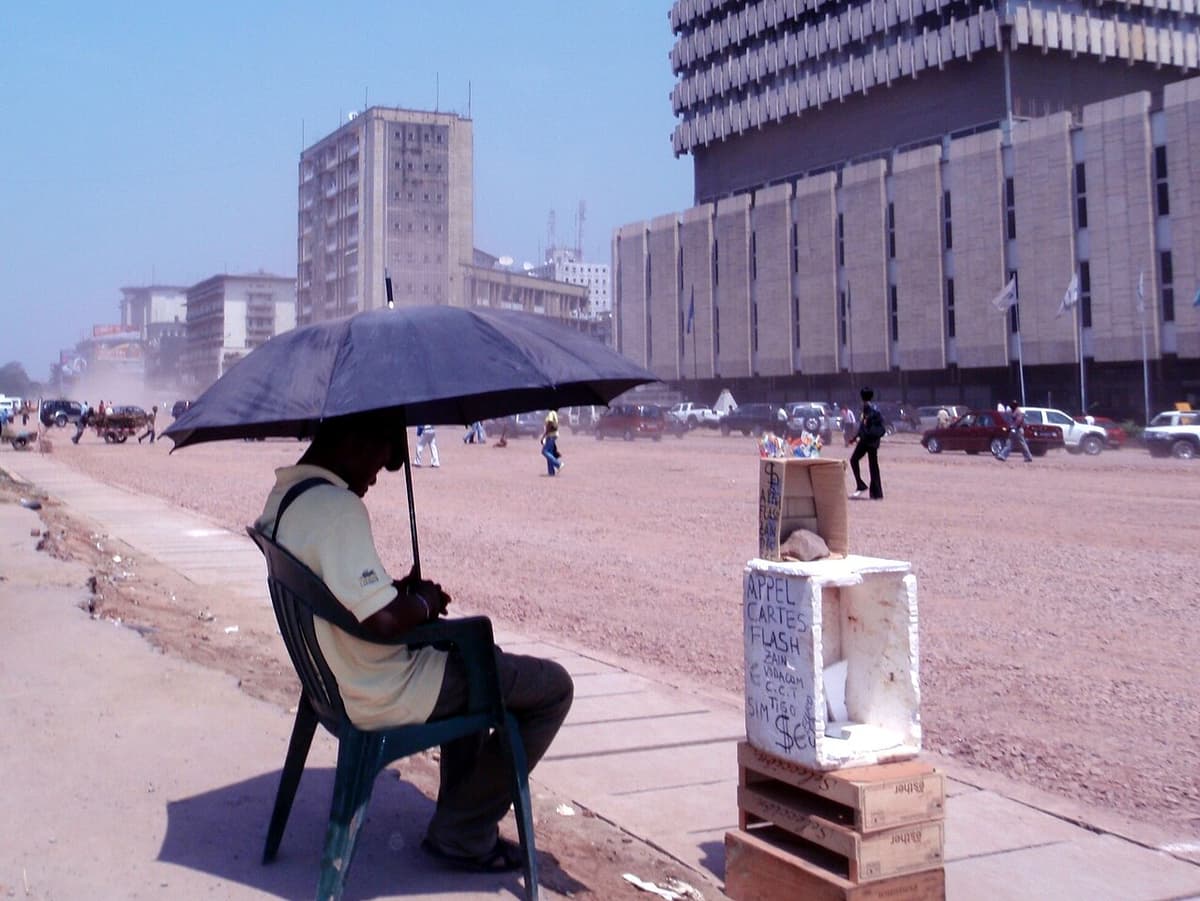
Kinshasa, April 19, 2026 - The implementation of a new migration cooperation agreement between the Democratic Republic of Congo and the United States has entered its first operational phase, following the arrival of an initial group of deported migrants in the Congolese capital.
According to government authorities, 15 individuals arrived in Kinshasa on April 17 under what officials describe as a strictly temporary arrangement involving short-stay permits and controlled reception procedures.
The program has drawn political reactions, including from National Deputy and President of the DRC-USA Friendship Group Joseph Bangakya, who defended the agreement and sought to reassure public opinion over concerns about security risks.
Speaking in an interview, Bangakya stated that the Congolese authorities conduct case-by-case verification before approving any entry, insisting that individuals with criminal backgrounds would not be admitted under the arrangement.
He emphasized that the program is designed as a temporary mechanism, with beneficiaries expected to return to their countries of origin after processing, and described their stay in Kinshasa as strictly limited in duration.
The lawmaker also welcomed the broader diplomatic cooperation between Kinshasa and Washington, arguing that recent agreements have strengthened bilateral ties and improved the DRC’s international positioning.
He further linked this diplomatic dynamic to developments at the international level, including shifts within the United Nations Security Council and the adoption of Resolution 2773, which he said reflects increased international engagement on regional security issues.
Government officials have reiterated that the arrangement does not constitute a resettlement policy, but rather a temporary and regulated framework governed by national immigration law and international commitments. They also confirmed that the first phase involves controlled reception conditions, with logistical and financial support provided by the United States.
However, the initiative has sparked concern among opposition figures, civil society actors, and human rights organizations, who question the implications of the agreement and call for greater transparency regarding its scope and implementation.
Some critics have also drawn historical parallels with past humanitarian and cross-border crises in the Great Lakes region, warning about potential security sensitivities linked to population movements in fragile areas.
Authorities maintain that the program is strictly regulated, temporary in nature, and aligned with both sovereignty principles and humanitarian standards.
Related reading

Politics - 31 August 2026
Angolan President Warns Eastern DRC Conflict Could Spill Across Great Lakes
Kinshasa, August 31, 2026 - Angolan President Joao Lourenco warned that the long-running conflict in eastern DRC could have effects across the Great Lakes region, adding diplomatic weight to calls for stronger…
By Amina Kabasele - 3 min read
Politics - 31 August 2026
Rwanda Rejects Ethnic Framing In Uganda Military Chief's Remarks
Kigali, August 31, 2026 - Rwanda pushed back against social-media remarks attributed to Uganda's Chief of Defence Forces, Gen.
By Amina Kabasele - 2 min read
Politics - 31 August 2026
African Union Backs Sudan Dialogue Plan As Civilian Blocs Object
Khartoum, August 31, 2026 - The African Union endorsed a new Sudanese dialogue initiative aimed at ending the civil war, but major civilian and political groups rejected the move as premature and potentially favorable…
By Amina Kabasele - 2 min read