
Economy - 25 May 2026
Djibouti Pushes Ambitious Aquaculture Drive to Boost Food Security and Investment
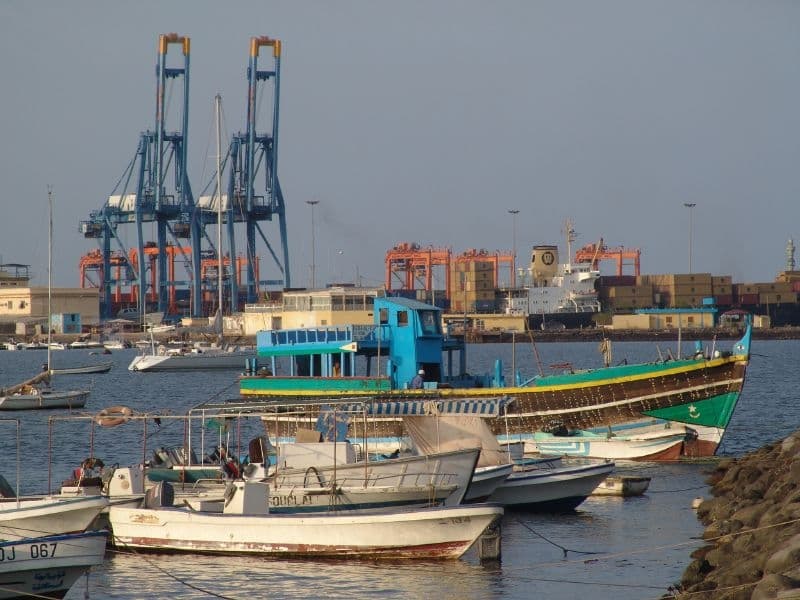
Djibouti, May 12, 2026 - Djibouti has launched an ambitious push to develop its aquaculture sector, with authorities and international partners unveiling plans aimed at transforming fish production, reducing reliance on seafood imports, and creating new economic opportunities.
The initiative was presented during a major workshop held Tuesday at the Sheraton Hotel, bringing together government officials, international experts, financial institutions, training centers, and private sector operators. The event was organized by the Ministry of Agriculture, Water, Fisheries, Livestock, and Marine Resources in partnership with the World Bank as part of the country’s broader economic transformation strategy under the national development agenda for 2030.
Opening the meeting, Minister Mohamed Ahmed Awaleh stressed that the objective extends beyond attracting investors, focusing instead on building a complete aquaculture value chain covering production, processing, transport, and commercialization.
The project envisions the establishment of a modern marine aquaculture system inspired by the Norwegian model, including floating fish cages across three strategic coastal zones, notably in Obock and Tadjourah. Authorities estimate that the initiative could eventually generate up to 18,000 tons of fish annually, significantly strengthening the country’s food self-sufficiency.
Plans also include the construction of specialized infrastructure such as live-fish transport vessels, automated feeding systems, a hatchery in the Red Sea region, and a fish processing plant within a free trade zone.
Officials say Djibouti possesses strong natural advantages for the sector, including an extensive coastline, favorable climatic conditions, and positive technical feasibility studies that position the country among Africa’s emerging aquaculture destinations.
However, authorities acknowledged that the sector’s success will depend on major investments in maritime infrastructure, cold-chain logistics, processing facilities, and workforce training. Participants at the workshop highlighted the importance of developing local expertise to ensure the long-term sustainability and competitiveness of the industry.
The initiative builds on discussions launched during the Agribusiness Forum held in June 2025 with support from international partners including the World Bank, the Food and Agriculture Organization, the African Development Bank, and the International Fund for Agricultural Development.
Related reading

Economy - 31 August 2026
Rwanda Reclaims Undeveloped Industrial Plots To Improve Land Use
Kigali, August 31, 2026 - Rwanda reclaimed 15 additional industrial plots from investors that failed to develop them within agreed timelines, reinforcing the government's push to ensure scarce industrial land is put to…
By Jean-Marc Okito - 2 min read

Economy - 31 August 2026
High Costs And Information Gaps Slow Solar Uptake Among Farmers
Kampala, August 31, 2026 - High upfront costs and limited information are holding back adoption of solar technologies among Uganda's smallholder farmers, constraining productivity and post-harvest management.
By Jean-Marc Okito - 3 min read

Economy - 31 August 2026
Parliament Cafeteria Closure Exposes Procurement Dispute Over Shs2 Billion Food Deal
Kampala, August 31, 2026 - A procurement dispute over a Parliament catering contract worth between Shs1.3 billion and Shs2 billion has disrupted cafeteria services for lawmakers and staff.
By Jean-Marc Okito - 2 min read