

Justice - 12 June 2026
Djibouti National Assembly and UNFPA Sign Strategic Partnership to Advance Human Rights
Djibouti, June 9, 2026 - The National Assembly of Djibouti and the United Nations Population Fund (UNFPA) have strengthened their cooperation through the signing of a strategic partnership agreement aimed at advancing human development, gender equality, and the protection of fundamental rights.
The agreement was signed during a ceremony chaired by the Speaker of the National Assembly, Mr. Dileita Mohamed Dileita, in the presence of UNFPA Representative in Djibouti, Ms. Aicha Ibrahim Djama. It seeks to reinforce collaboration between the two institutions around national priorities, including the empowerment of women and youth, the promotion of human rights, and the strengthening of parliamentary action.
Following the signing, the Speaker held an audience with the UNFPA delegation, accompanied by senior parliamentary officials, including First Vice-President Ms. Safia Elmi Djibril, the President of the Parliamentary Group for Population and Development, Hon. Omar Ahmed Waiss, and the Chair of the Women Parliamentarians’ Caucus, Hon. Nimo Boulhan Houssein.
Discussions focused on key issues such as the protection of women and girls, the fight against gender-based violence and female genital mutilation, the monitoring of Djibouti’s international human rights commitments, and the strengthening of institutional capacities within Parliament.
UNFPA reaffirmed its commitment to supporting the National Assembly through programs aimed at enhancing parliamentary capacity, promoting gender equality, and contributing to evidence-based policymaking informed by demographic trends.
The Speaker of the National Assembly welcomed the long-standing partnership with UNFPA, reaffirming Parliament’s commitment to advancing reforms that promote equal opportunities, safeguard fundamental rights, and support human capital development in line with the Sustainable Development Goals.
Both institutions emphasized that the agreement represents a renewed commitment to building more inclusive and responsive public policies aligned with the needs of the Djiboutian population.
Related reading

Justice - 31 August 2026
Police Detain Officers Over Dress-Related Arrest In Rubavu
Kigali, August 31, 2026 - Rwanda National Police detained two officers after a video showed them arresting a young woman at Rubavu bus station over the length of her dress, a case that intensified public scrutiny of…
By Amina Kabasele - 2 min read
Justice - 31 August 2026
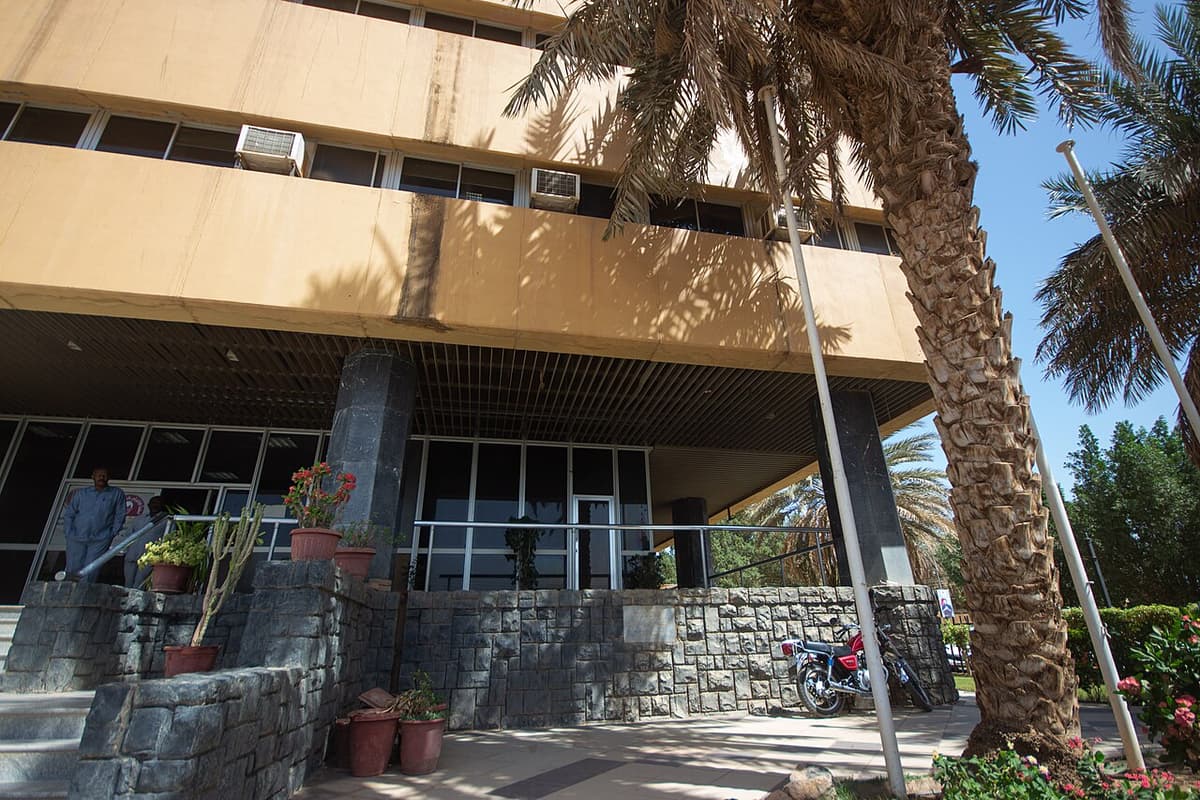
Military Intelligence Detains Doctors Union Leader During Disease Fieldwork
Khartoum, August 31, 2026 - Sudanese Military Intelligence detained Dr Attiya Abdallah, the head of the country's main doctors' union, in a case that highlights mounting pressure on medical and humanitarian workers…
By Amina Kabasele - 2 min read
Justice - 31 August 2026
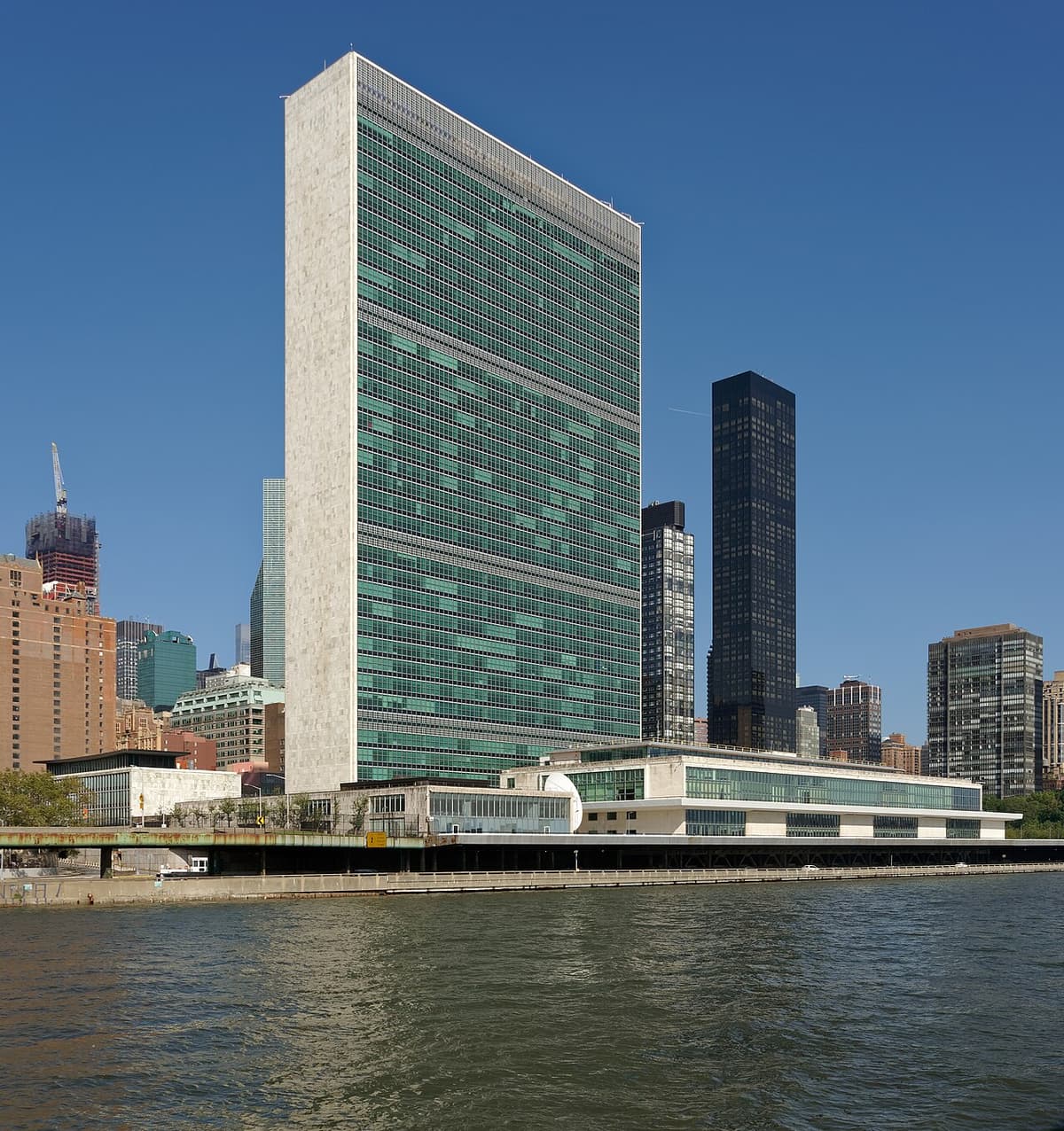
UN Demands Release Of Detained Aid Workers In Sudan
Khartoum, August 31, 2026 - The United Nations called for the immediate and unconditional release of humanitarian workers detained by armed groups in Sudan, warning that arbitrary arrests are obstructing relief…
By Amina Kabasele - 2 min read