
Society - 28 May 2026
Djibouti Launches National Sustainable Cooling Plan to Strengthen Energy and Climate
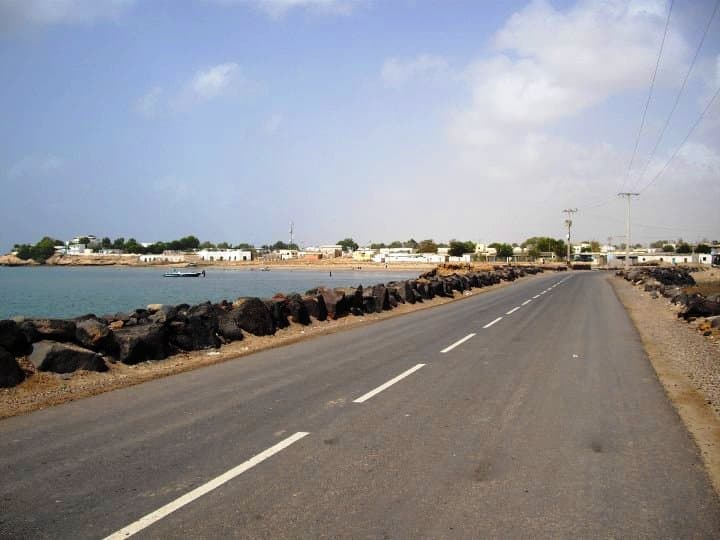
Djibouti, May 14, 2026 - Djibouti has launched a new National Cooling Action Plan aimed at modernizing the country’s cooling infrastructure and improving resilience to rising temperatures, growing energy demand, and public health challenges.
The initiative was officially unveiled by the Ministry of Energy and Natural Resources under the leadership of Minister Yonis Ali Guedi, in partnership with the United Nations Development Programme and the Regional Council for Energy and Environment (RCREEE).
Authorities describe the program as a major step in the country’s energy transition strategy, focusing on the development of sustainable and energy-efficient cooling systems across multiple sectors. The plan covers air conditioning in buildings, food preservation systems, vaccine and medicine storage, hospital infrastructure, and climate-adapted urban planning.
With temperatures continuing to rise and demand for cooling rapidly increasing, officials say the project is designed to protect public health while reducing pressure on the national electricity grid.
The strategy promotes modern technologies and environmentally sustainable solutions, including bioclimatic construction methods, improved thermal insulation, high-efficiency cooling equipment, and greater use of renewable energy sources, particularly solar energy.
Authorities expect the program to deliver significant economic and social benefits. In the energy sector, it is intended to lower electricity consumption and reduce the risk of grid overloads. In healthcare, the plan seeks to improve the storage and preservation of vaccines, medicines, and other sensitive medical supplies.
The initiative is also expected to support the expansion of a modern cold chain system, considered essential for agriculture, fisheries, food distribution, and export activities.
Officials further highlighted the social impact of the project, noting that improved cooling systems could help populations cope with increasingly severe heat waves while providing better protection for vulnerable communities.
Related reading
Society - 31 August 2026
Holiday Teaching Ban Divides Parents And Teachers Nationwide
Kampala, August 31, 2026 - A government ban on holiday teaching has triggered nationwide debate, exposing tensions between child welfare, education quality and exam preparation.
By Sarah Ndaya - 2 min read

Society - 30 August 2026
Rwanda Orders Exam Retakes After Mass Cheating Probe
Kigali, August 30, 2026 - Rwanda's Ministry of Education ordered 7,188 primary learners to retake the 2025/26 Primary Leaving Examinations after investigations confirmed mass cheating in 254 examination rooms.
By Sarah Ndaya - 2 min read
Society - 29 August 2026
Former Botswana President Joins Rwandans In Umuganda
Kigali, August 29, 2026 - Former Botswana President Mokgweetsi Masisi joined Rwandans in community service during an umuganda activity, highlighting Rwanda's monthly civic work tradition and its use as a diplomatic…
By Sarah Ndaya - 3 min read