
Sécurité - 4 avril 2026
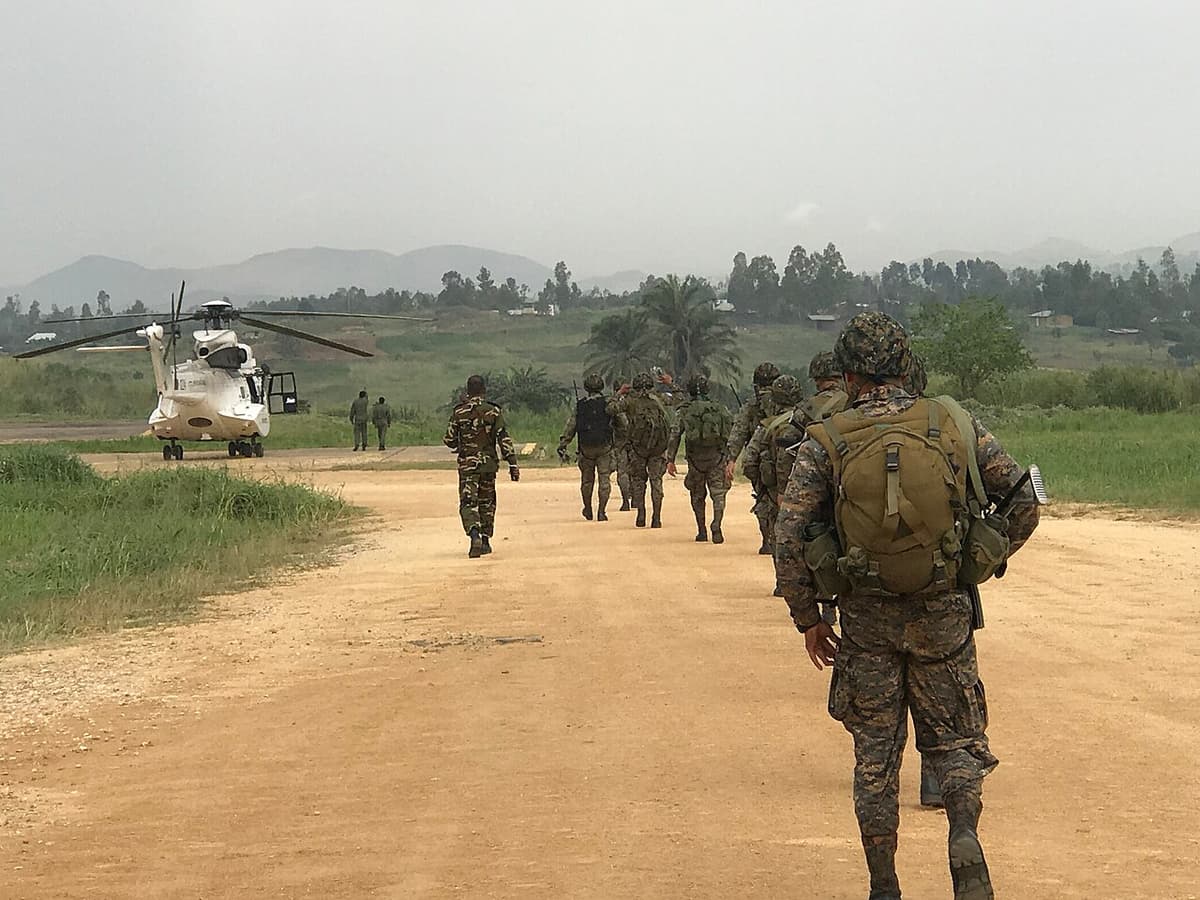
Washington appelle au retrait immédiat des forces rwandaises de l’est de la RDC
New York, le 4 avril 2026 - NEW YORK / WASHINGTON, le 26 mars 2026 - Les États-Unis ont appelé au retrait immédiat des troupes rwandaises de l'est de la République démocratique du Congo, tout en annonçant des sanctions ciblées contre de hauts responsables militaires rwandais, lors d'un briefing au Conseil de sécurité des Nations Unies le 26 mars.
S'exprimant au nom de l'administration américaine, le conseiller principal pour les affaires africaines, Massad Boulos, a exprimé sa « profonde déception » face à ce que Washington a décrit comme une récente escalade du Rwanda dans l'est de la RDC, la qualifiant de « violation directe » des engagements pris dans le cadre de paix de Washington.
Les États-Unis ont évoqué la mise en œuvre des accords de Washington (4 décembre 2025), soulignant que même si certains progrès avaient été réalisés, les développements récents menaçaient de saper ce fragile processus.
Selon le communiqué américain, des sanctions ont été imposées aux membres des Forces de défense rwandaises (RDF), dont quatre généraux supérieurs, en réponse à leur rôle présumé dans les activités déstabilisatrices dans l'est du Congo.
Washington a réitéré son exigence du « retrait immédiat des forces rwandaises du territoire congolais », parallèlement à des appels renouvelés au respect de la souveraineté de la RDC et à des efforts intensifiés de Kinshasa pour neutraliser le groupe armé FDLR.
L'envoyé américain a également souligné l'importance de restaurer l'autorité de l'État dans les provinces du Kivu et de lutter contre l'exploitation illégale actuelle des ressources naturelles, qui, selon lui, continue d'alimenter le conflit.
Tout en reconnaissant le rôle des efforts de médiation régionaux et internationaux - y compris la MONUSCO et les initiatives dirigées par le Qatar et l’Afrique - Washington a souligné qu’une paix durable nécessiterait le strict respect des engagements de cessez-le-feu et une véritable volonté politique de toutes les parties.
Le communiqué fait également référence au meurtre d'un travailleur humanitaire français lors d'une attaque du 11 mars à Goma, présentant ses condoléances et soulignant les inquiétudes quant à la sécurité des civils dans la zone de conflit.
À lire aussi
Sécurité - 31 août 2026
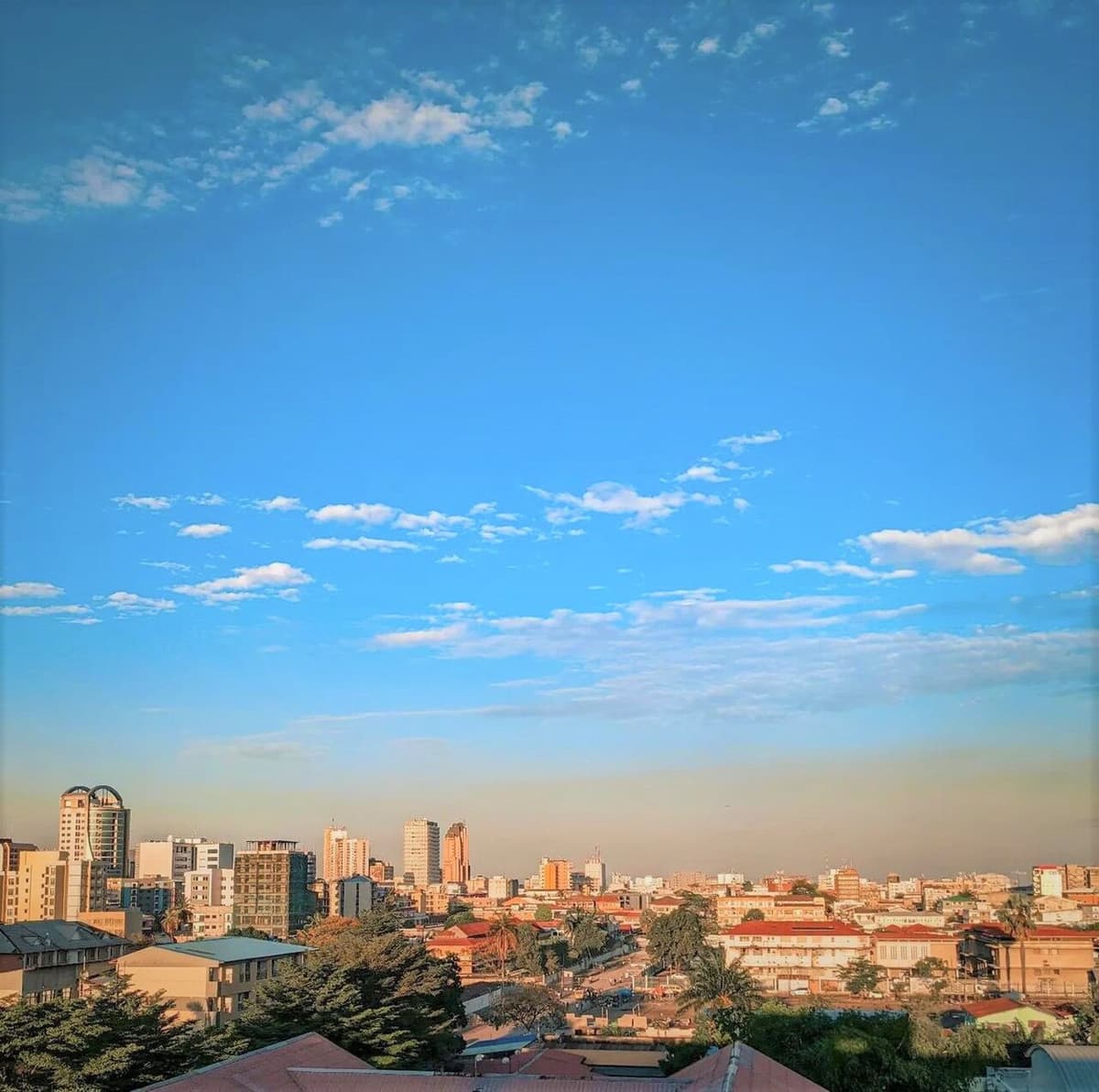
RDC et Congo-Brazzaville s'efforcent de désamorcer le conflit frontalier sur le fleuve Congo
Kinshasa, le 31 août 2026 - La RDC et le Congo-Brazzaville ont agi pour contenir les tensions après un affrontement mortel du 28 août entre les troupes des FARDC et les forces du Congo-Brazzaville sur le fleuve Congo…
Par Amina Kabasele - 3 min de lecture
Sécurité - 31 août 2026
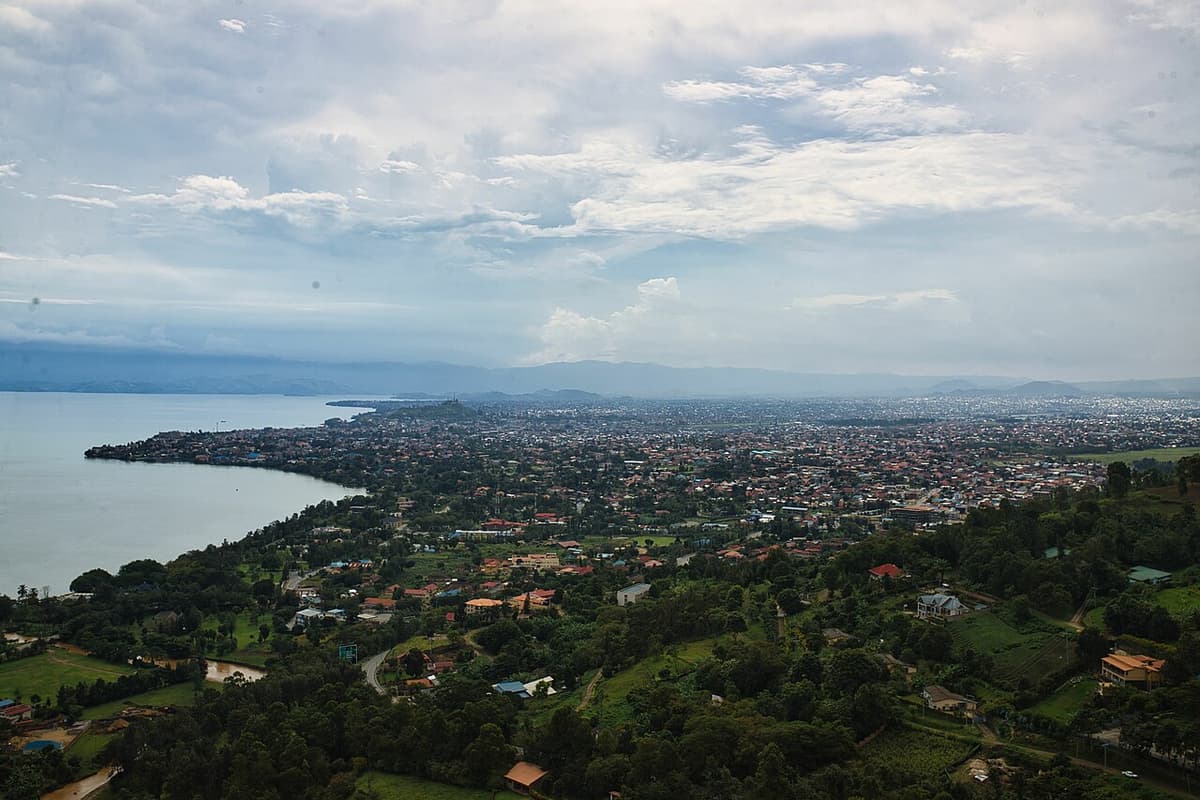
Des villages de Walikale vidés alors que les combats se propagent dans l'est de la RDC
Goma, le 31 août 2026 - Plusieurs villages du groupement Waloa Loanda de Walikale ont été vidés alors que les combats entre l'armée et les forces AFC/M23 se sont étendus des zones voisines de Masisi et Kalehe…
Par Amina Kabasele - 3 min de lecture
Sécurité - 31 août 2026
Le gouvernement affirme que l'armée bloque l'expansion de l'AFC/M23 au Kivu
Kinshasa, le 31 août 2026 - Le gouvernement a déclaré que les FARDC faisaient systématiquement échouer les tentatives de l'AFC/M23 d'occuper de nouveaux territoires dans les Kivus, alors que les combats se poursuivaient…
Par Amina Kabasele - 3 min de lecture