
Sécurité - 19 avril 2026
Le chef de la CEA met en garde contre l’impact économique de la crise au Moyen-Orient
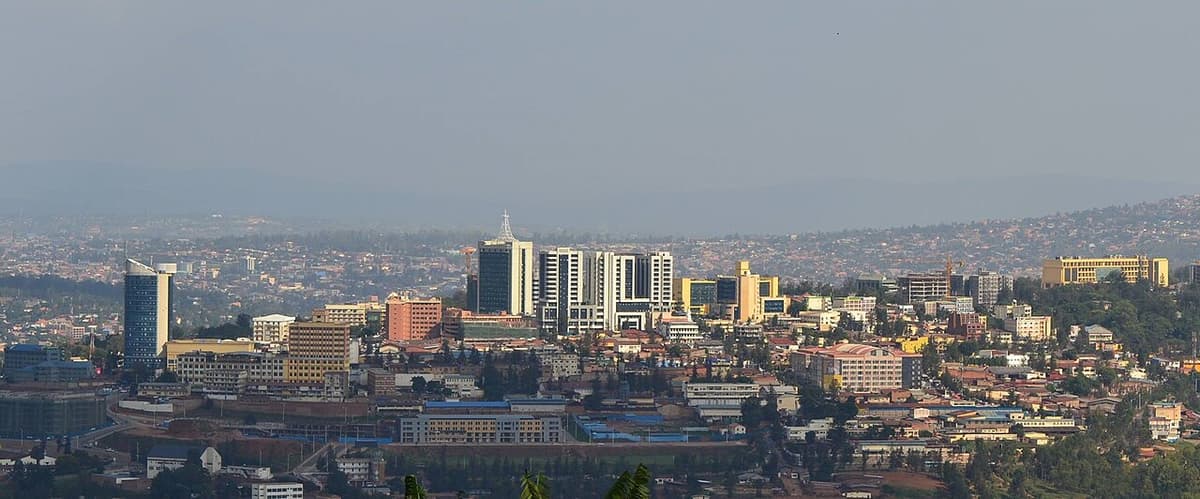
Kigali, le 9 avril 2026 - Le secrétaire exécutif de la Commission économique des Nations Unies pour l'Afrique, Claver Gatete, a averti que les tensions persistantes au Moyen-Orient exercent une pression importante sur les économies africaines, notamment en raison de la hausse des coûts de l'énergie et des perturbations des routes commerciales mondiales.
S'exprimant lors de la 58e session des ministres africains des Finances, de la Planification et du Développement économique, Gatete a souligné que l'instabilité dans la région affecte déjà les prix du pétrole et les flux commerciaux, avec des implications plus larges pour la stabilité économique à travers le continent.
« Le conflit en cours au Moyen-Orient a un impact négatif sur le marché de l'énergie et le commerce en général, et a de graves implications », a-t-il déclaré.
Gatete a souligné la vulnérabilité de nombreuses économies africaines, notant qu'une grande partie des importations de pétrole, en particulier en Afrique orientale et australe, provenait du Moyen-Orient. Des perturbations prolongées, a-t-il averti, pourraient forcer les pays à rechercher des voies d’approvisionnement et des marchés alternatifs.
Il a souligné l’importance stratégique des points d’étranglement maritimes mondiaux tels que le détroit d’Ormuz, suggérant que tout blocage durable pourrait remodeler les structures du commerce international. Dans un tel scénario, a-t-il soutenu, l’Afrique pourrait se positionner comme un corridor alternatif pour le commerce mondial.
Malgré les défis, Gatete a également souligné les opportunités émergentes pour le continent. Il a appelé les gouvernements africains à accélérer la transformation structurelle en donnant la priorité au développement durable, en améliorant la qualité des investissements publics et en renforçant la résilience économique.
Il a souligné l'importance d'aligner les politiques budgétaires, la gestion de la dette et les stratégies d'investissement sur les objectifs de développement à long terme, tout en promouvant l'innovation, l'adoption de technologies et une utilisation plus efficace des ressources financières.
Le chef de la CEA a conclu en exhortant les pays africains à transformer les perturbations mondiales actuelles en opportunités de réforme et de croissance, positionnant ainsi le continent comme un acteur plus intégré et plus compétitif dans l'économie mondiale.
À lire aussi

Sécurité - 31 août 2026
RDC et Congo-Brazzaville s'efforcent de désamorcer le conflit frontalier sur le fleuve Congo
Kinshasa, le 31 août 2026 - La RDC et le Congo-Brazzaville ont agi pour contenir les tensions après un affrontement mortel du 28 août entre les troupes des FARDC et les forces du Congo-Brazzaville sur le fleuve Congo…
Par Amina Kabasele - 3 min de lecture

Sécurité - 31 août 2026
Des villages de Walikale vidés alors que les combats se propagent dans l'est de la RDC
Goma, le 31 août 2026 - Plusieurs villages du groupement Waloa Loanda de Walikale ont été vidés alors que les combats entre l'armée et les forces AFC/M23 se sont étendus des zones voisines de Masisi et Kalehe…
Par Amina Kabasele - 3 min de lecture
Sécurité - 31 août 2026
Le gouvernement affirme que l'armée bloque l'expansion de l'AFC/M23 au Kivu
Kinshasa, le 31 août 2026 - Le gouvernement a déclaré que les FARDC faisaient systématiquement échouer les tentatives de l'AFC/M23 d'occuper de nouveaux territoires dans les Kivus, alors que les combats se poursuivaient…
Par Amina Kabasele - 3 min de lecture