
Justice - 24 janvier 2026
La Cour de l'ONU rejette la demande de libération anticipée d'Alfred Musema
Kigali, le 24 janvier 2026 - Le Mécanisme international résiduel pour les tribunaux pénaux (MIRTP) a rejeté une demande de libération anticipée déposée par Alfred Musema, ancien directeur d'une usine de thé rwandaise condamné pour son rôle dans le Génocide de 1994 contre les Tutsis.
Musema, 76 ans, a été arrêté en Suisse le 11 février 1995, puis transféré sous la garde du Tribunal pénal international pour le Rwanda (TPIR). Il a été reconnu responsable d'avoir dirigé et participé à plusieurs massacres dans la préfecture de Kibuye entre avril et mai 1994, y compris des attaques sur la colline de Gitwa, Muyira, la colline de Rwirambo, Mataba et la grotte de Nyakavumu, où plus de 300 Tutsis ont été tués et brûlés.
Le 27 janvier 2000, le TPIR a condamné Musema pour génocide, extermination et viol, le condamnant à la réclusion à perpétuité. Bien que la Chambre d'appel ait annulé la condamnation pour viol en novembre 2001, elle a confirmé sa peine de réclusion à perpétuité pour d'autres crimes contre l'humanité.
Après avoir purgé une partie de sa peine au Mali puis au Bénin, Musema a fait plusieurs tentatives pour obtenir une libération anticipée. Sa première demande en août 2019 a été rejetée car il n'avait pas encore purgé les deux tiers de sa peine, selon les normes internationales qui assimilent une peine de réclusion à perpétuité à 45 ans d'emprisonnement. Un appel ultérieur a été rejeté en janvier 2020.
En janvier 2025, Musema a de nouveau demandé une libération anticipée, invoquant plus de 30 ans de détention, une bonne conduite en prison, des relations positives avec ses codétenus et la reconnaissance que le génocide a eu lieu. Il a également indiqué qu'il avait l'intention de vivre avec sa famille en Suisse s'il était libéré.
Dans une décision datée du 12 janvier 2026, la présidente du MIRTP, Graciela Gatti Santana, a reconnu le bon comportement de Musema et sa reconnaissance du génocide, mais a statué que ces éléments étaient insuffisants compte tenu de la gravité de ses crimes. La cour a noté que Musema n'a ni avoué ni exprimé de remords, une condition essentielle pour une libération anticipée.
Le juge a également souligné que Musema était une figure puissante à Kibuye qui aurait pu empêcher les meurtres mais qui, au contraire, est resté passif et, dans de nombreux cas, a participé activement. Des rapports médicaux ont également indiqué qu'il était en bonne santé, éliminant ainsi des motifs humanitaires pour sa libération.
En conséquence, Musema restera en prison.
À lire aussi

Justice - 31 août 2026
Des agents de police arrêtés suite à une interpellation liée à une tenue à Rubavu
Kigali, le 31 août 2026 - La Police nationale du Rwanda a arrêté deux agents après qu'une vidéo les a montrés en train d'arrêter une jeune femme à la gare routière de Rubavu en raison de la longueur de sa robe, un cas…
Par Amina Kabasele - 2 min de lecture
Justice - 31 août 2026
L'Intelligence militaire arrête le leader du syndicat des médecins lors d'un travail de terrain sur les maladies
Khartoum, le 31 août 2026 - L'Intelligence militaire soudanaise a arrêté le Dr Attiya Abdallah, à la tête du principal syndicat des médecins du pays, dans une affaire qui met en lumière la pression croissante sur les…
Par Amina Kabasele - 2 min de lecture
Justice - 31 août 2026
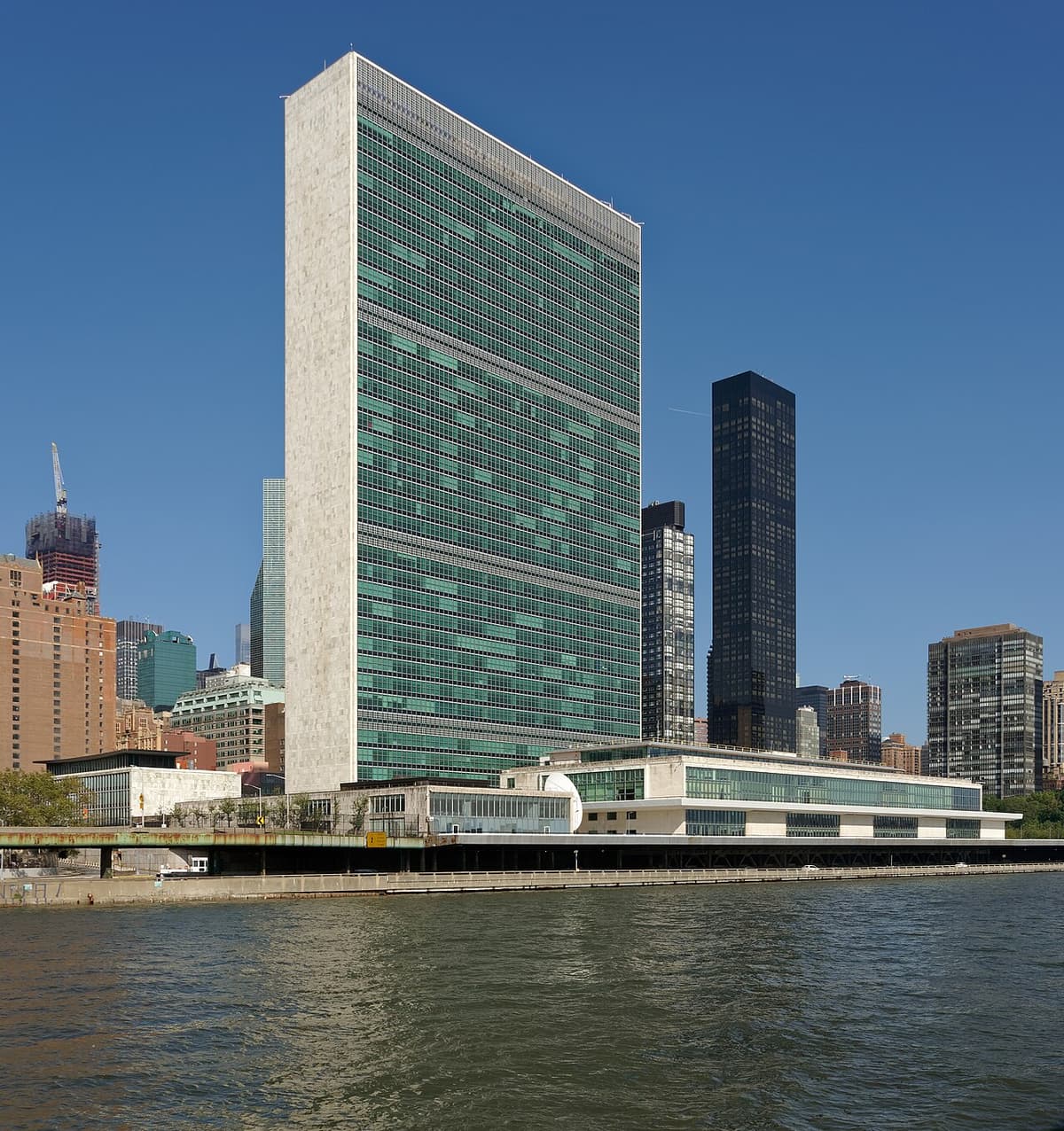
L'ONU exige la libération des travailleurs humanitaires détenus au Soudan
Khartoum, le 31 août 2026 - Les Nations Unies ont appelé à la libération immédiate et inconditionnelle des travailleurs humanitaires détenus par des groupes armés au Soudan, avertissant que les arrestations arbitraires…
Par Amina Kabasele - 2 min de lecture