
Sécurité - 19 avril 2026
L’Ouganda relie les grossesses chez les adolescentes à l’augmentation des cas de fistule
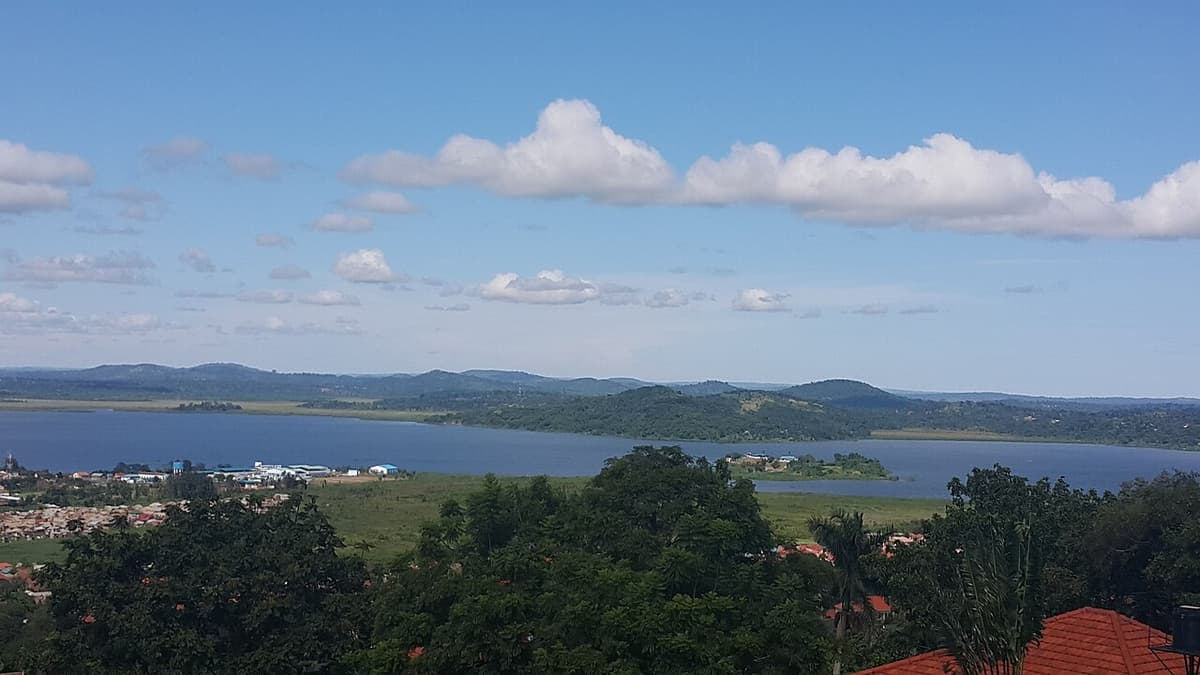
Kampala, le 19 avril 2026 - Le ministère ougandais de la Santé a attribué l'augmentation continue des cas de fistule obstétricale aux taux élevés de grossesse chez les adolescentes et aux retards dans l'accès aux soins obstétricaux d'urgence, avertissant que la plupart des complications peuvent être évitées grâce à une intervention médicale rapide.
Le commissaire à la santé maternelle et infantile, Richard Mugahi, a déclaré qu'une femme enceinte sur quatre en Ouganda est une adolescente, certaines ayant entre 12 et 14 ans, une tendance qu'il a directement liée à l'augmentation des complications à l'accouchement.
"Il s'agit de jeunes filles dont le corps n'est pas encore prêt à porter une grossesse, ce qui entraîne des complications comme la fistule, la mort du bébé, voire de la mère", a déclaré Mugahi.
La fistule obstétricale, une blessure grave à l'accouchement causée par un travail prolongé ou dystocique, reste un problème de santé important dans les communautés mal desservies, laissant souvent les survivantes avec des conséquences physiques et sociales à long terme.
Mugahi a souligné que l'accès limité à l'information sur la santé sexuelle et reproductive est un facteur clé des grossesses précoces, appelant à des programmes d'éducation et de sensibilisation plus solides ciblant les adolescentes.
Au-delà des facteurs sociaux, il a également souligné les lacunes systémiques du système de santé, en particulier les retards dans l'orientation des mères souffrant de complications des établissements de niveau inférieur vers des centres de soins de niveau supérieur. Il a averti que de tels retards entraînent souvent des conditions potentiellement mortelles, notamment une rupture utérine, une fistule ou la mort.
En réponse, le gouvernement, en collaboration avec le Fonds des Nations Unies pour la population et le gouvernement islandais, intensifie les interventions en matière de santé maternelle dans les régions à forte prévalence.
Il s'agit notamment de la construction d'un centre de santé IV dans le district de Namayingo, du recrutement d'agents de santé supplémentaires, de l'amélioration de l'approvisionnement en matériel médical et d'une formation renforcée aux soins obstétricaux d'urgence.
Le programme soutient également la réparation chirurgicale des survivantes de la fistule et fournit un soutien à la réintégration, notamment des activités génératrices de revenus visant à aider les femmes touchées à reconstruire leur vie.
« Il est essentiel de s'attaquer à la fois aux facteurs sociaux et aux lacunes du système de santé si nous voulons éliminer la fistule en Ouganda », a déclaré Mugahi.
L’initiative a été officialisée lors d’une cérémonie de signature à Kampala impliquant la chef de mission islandaise Hildigunnur Engilbertsdóttir et Kristine Blokhus.
Le programme se concentrera sur des régions telles que Acholi, West Nile, Bukedi, Karamoja et Busoga, en ciblant l'amélioration de l'éducation sanitaire des adolescents, des services de santé reproductive et des mécanismes de réponse à la violence sexiste.
Engilbertsdóttir a décrit la fistule obstétricale comme un problème à la fois de santé publique et de droits humains, soulignant qu'elle reflète des lacunes plus larges dans les capacités du système de santé.
"La fistule survient lorsqu'un système de santé n'a pas la capacité de répondre à l'ensemble des besoins en matière de santé reproductive des femmes et des filles. C'est une question de droits humains et d'égalité des sexes", a-t-elle déclaré.
Les responsables affirment que les interventions combinées devraient renforcer la prestation de soins de santé maternelle, réduire les blessures évitables et améliorer les résultats pour les femmes et les filles vulnérables à travers l'Ouganda.
À lire aussi
Sécurité - 31 août 2026
RDC et Congo-Brazzaville s'efforcent de désamorcer le conflit frontalier sur le fleuve Congo
Kinshasa, le 31 août 2026 - La RDC et le Congo-Brazzaville ont agi pour contenir les tensions après un affrontement mortel du 28 août entre les troupes des FARDC et les forces du Congo-Brazzaville sur le fleuve Congo…
Par Amina Kabasele - 3 min de lecture
Sécurité - 31 août 2026
Des villages de Walikale vidés alors que les combats se propagent dans l'est de la RDC
Goma, le 31 août 2026 - Plusieurs villages du groupement Waloa Loanda de Walikale ont été vidés alors que les combats entre l'armée et les forces AFC/M23 se sont étendus des zones voisines de Masisi et Kalehe…
Par Amina Kabasele - 3 min de lecture
Sécurité - 31 août 2026
Le gouvernement affirme que l'armée bloque l'expansion de l'AFC/M23 au Kivu
Kinshasa, le 31 août 2026 - Le gouvernement a déclaré que les FARDC faisaient systématiquement échouer les tentatives de l'AFC/M23 d'occuper de nouveaux territoires dans les Kivus, alors que les combats se poursuivaient…
Par Amina Kabasele - 3 min de lecture