
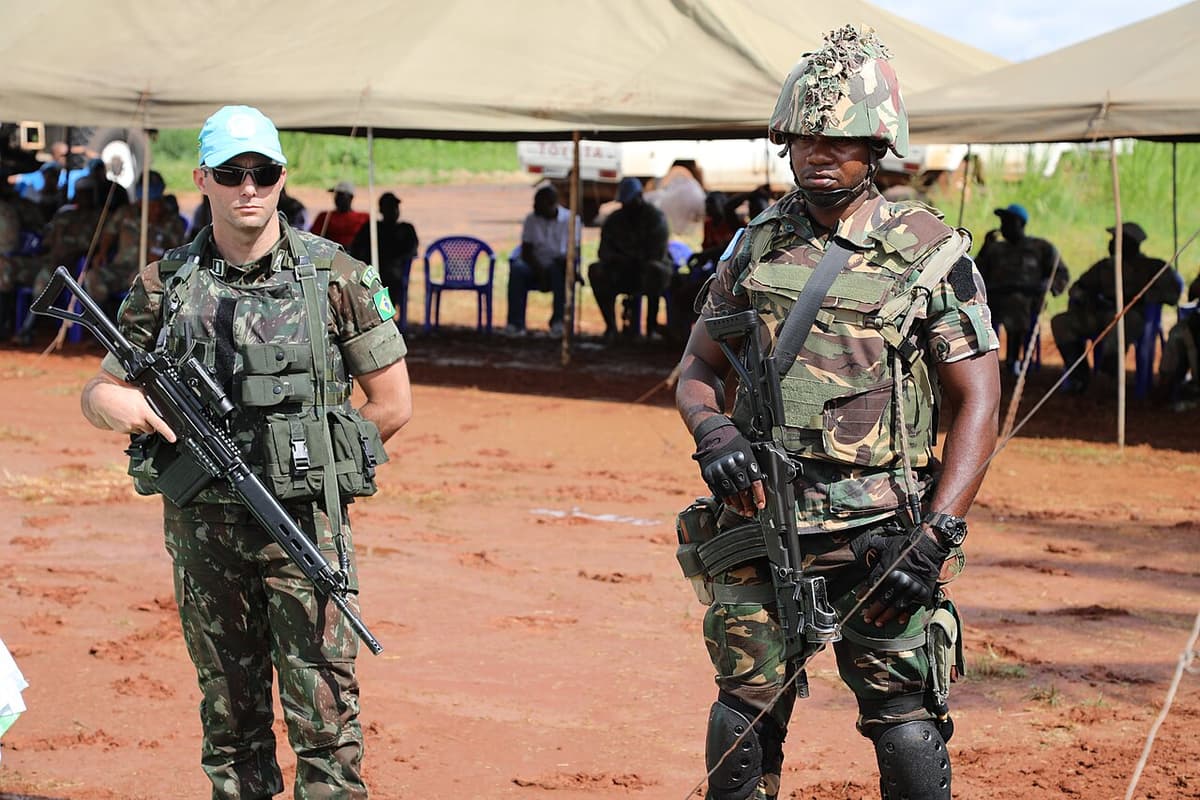
Sécurité - 4 avril 2026
Les sanctions américaines ciblent le réseau économique lié à l’armée rwandaise
Kinshasa, le 30 mars 2026 - Une analyse récente de l’Institut Egmont souligne l’impact considérable des sanctions américaines imposées sur l’establishment de la défense du Rwanda, avertissant que ces mesures pourraient s’étendre bien au-delà du secteur militaire et remodeler les réseaux économiques et financiers liés aux forces armées du pays.
Les sanctions, annoncées le 2 mars par l'Office of Foreign Assets Control (OFAC) du département du Trésor américain, visent quatre officiers supérieurs de la Rwanda Defence Force (RDF), ainsi que l'institution elle-même. Les mesures restreignent l'accès aux transactions en dollars américains et excluent de fait les entités désignées du système financier mondial, y compris du réseau SWIFT.
Selon l’analyse, les restrictions pourraient considérablement compliquer l’achat d’équipements militaires, logistiques et techniques, tout en affectant également les opérations économiques plus larges liées aux structures liées à la défense.
Le rapport note que le RDF opère à travers un vaste réseau d'entités commerciales actives dans des secteurs tels que la construction, l'agriculture, la finance, l'industrie et la santé. Il s’agit notamment d’entreprises telles que Horizon Construction, Agro Processing Trust Corporation (APTC), Rwanda Fertilizer Company et Rwanda Engineering and Manufacturing Corporation (REMCO), qui sont impliquées dans la production civile et liée à la défense.
Les institutions financières liées au secteur de la sécurité, notamment la Zigama Credit and Savings Society, sont également identifiées comme potentiellement affectées en raison de leur rôle dans la gestion des salaires et des services financiers du personnel militaire et des forces de sécurité.
L’analyse met en outre en évidence l’influence des sociétés holding et des structures d’investissement liées à l’État telles que Crystal Ventures et Ngali Holdings, qui opèrent dans les secteurs miniers et des infrastructures et sont considérées comme faisant partie d’un écosystème économique plus large associé à l’establishment politico-militaire au pouvoir.
Les experts cités dans le rapport affirment que les sanctions pourraient inciter les banques internationales et les partenaires commerciaux à adopter une position plus prudente à l’égard des transactions impliquant les entités liées à la défense du Rwanda, amplifiant potentiellement l’impact économique au-delà des objectifs initiaux.
D’un point de vue stratégique, ces mesures sont considérées comme faisant partie d’un changement plus large dans la politique des États-Unis dans la région des Grands Lacs, notamment un engagement plus étroit avec la République démocratique du Congo dans le cadre d’un partenariat stratégique sur les minéraux signé en décembre 2025.
Alors que Washington poursuit sa coopération avec Kigali dans des domaines spécifiques tels que les chaînes d’approvisionnement en santé et les intrants industriels, les sanctions sont largement interprétées comme un outil de pression lié aux tensions sécuritaires régionales, en particulier aux allégations concernant le rôle du Rwanda dans l’est du Congo.
Le rapport conclut que l’évolution des restrictions financières pourrait remodeler les alignements économiques régionaux tout en ajoutant encore plus d’incertitude aux relations diplomatiques déjà tendues dans la région des Grands Lacs.
À lire aussi
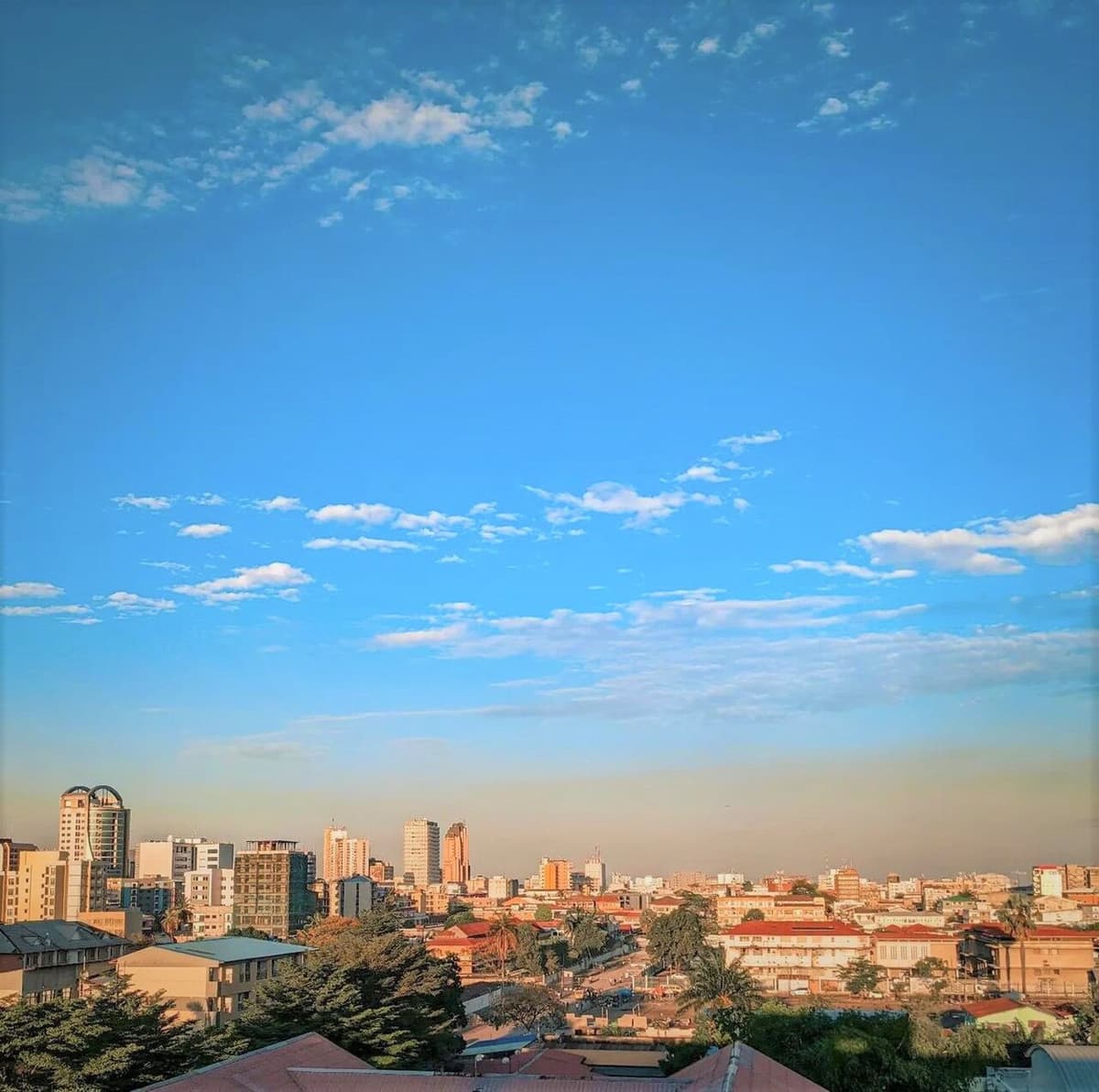
Sécurité - 31 août 2026
RDC et Congo-Brazzaville s'efforcent de désamorcer le conflit frontalier sur le fleuve Congo
Kinshasa, le 31 août 2026 - La RDC et le Congo-Brazzaville ont agi pour contenir les tensions après un affrontement mortel du 28 août entre les troupes des FARDC et les forces du Congo-Brazzaville sur le fleuve Congo…
Par Amina Kabasele - 3 min de lecture
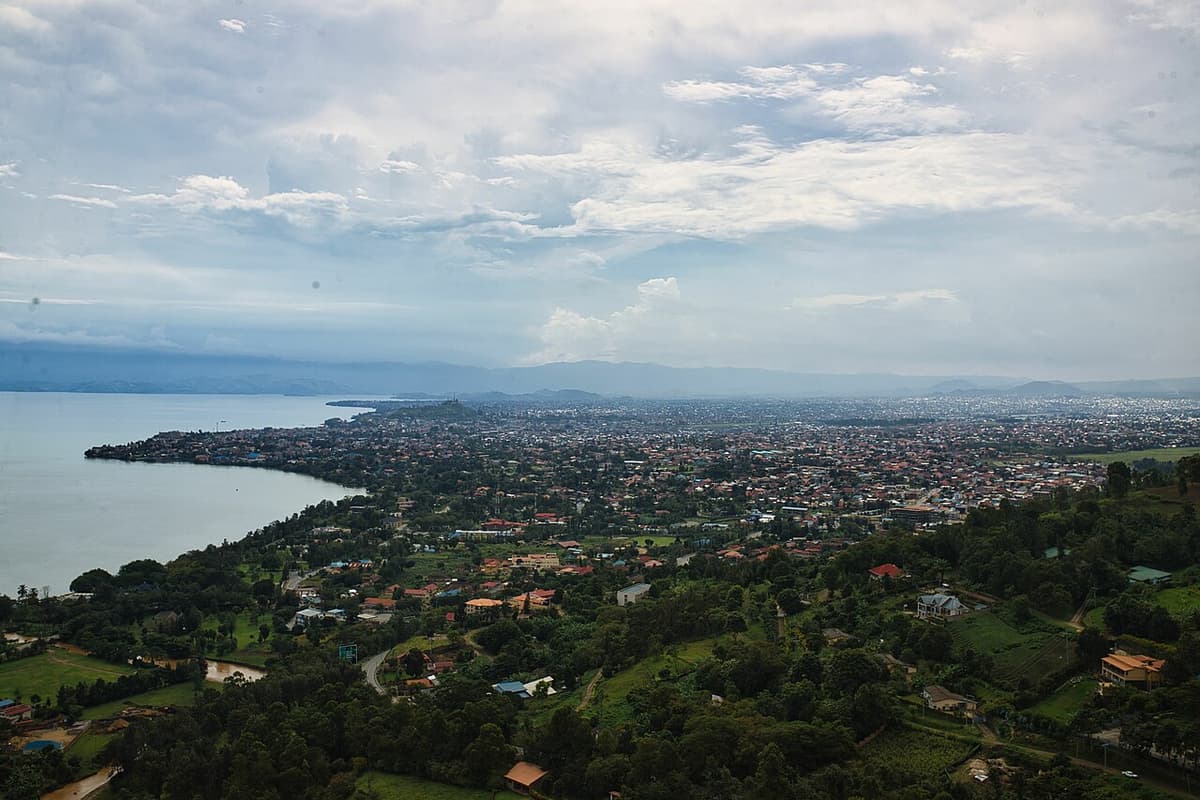
Sécurité - 31 août 2026
Des villages de Walikale vidés alors que les combats se propagent dans l'est de la RDC
Goma, le 31 août 2026 - Plusieurs villages du groupement Waloa Loanda de Walikale ont été vidés alors que les combats entre l'armée et les forces AFC/M23 se sont étendus des zones voisines de Masisi et Kalehe…
Par Amina Kabasele - 3 min de lecture
Sécurité - 31 août 2026
Le gouvernement affirme que l'armée bloque l'expansion de l'AFC/M23 au Kivu
Kinshasa, le 31 août 2026 - Le gouvernement a déclaré que les FARDC faisaient systématiquement échouer les tentatives de l'AFC/M23 d'occuper de nouveaux territoires dans les Kivus, alors que les combats se poursuivaient…
Par Amina Kabasele - 3 min de lecture