
Politique - 11 janvier 2026
Tshisekedi se détourne de la médiation de Doha et pousse pour de nouveaux pourparlers à Luanda
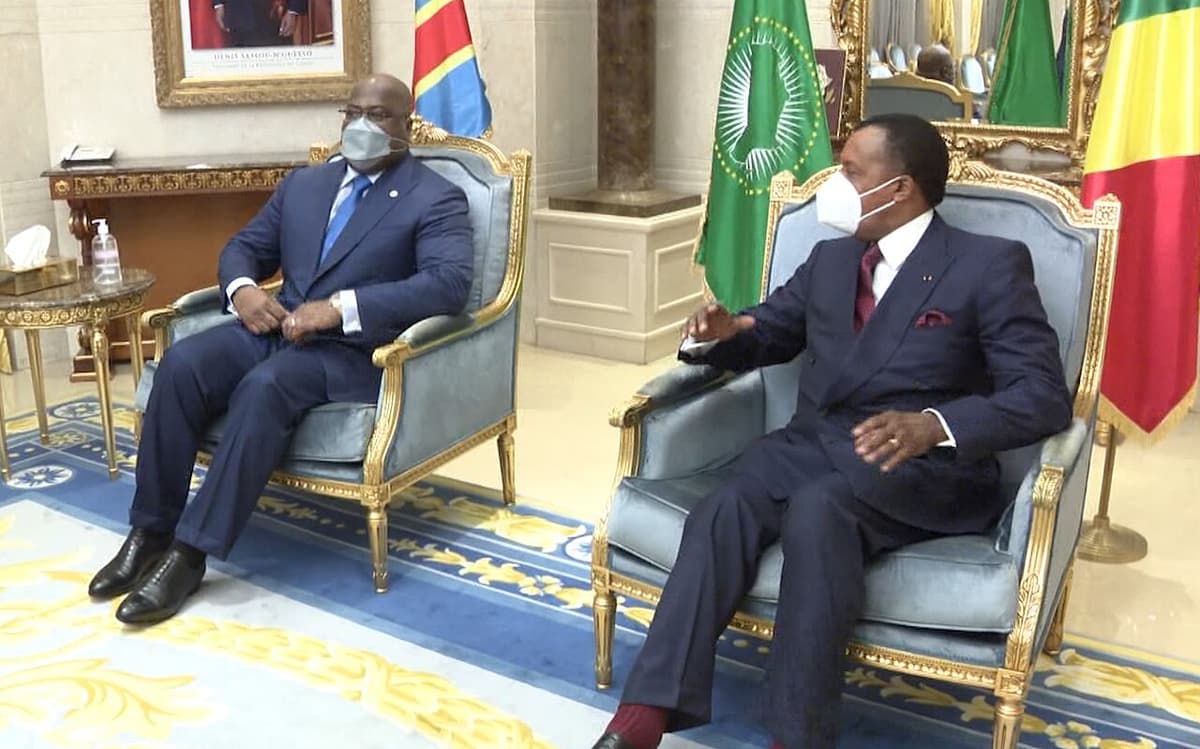
Kigali, le 11 janvier 2026 - Le président Félix Tshisekedi de la République Démocratique du Congo cherche à relancer les pourparlers de paix à Luanda, tout en continuant à s'éloigner du processus de médiation dirigé par le Qatar, initié début 2025.
Tshisekedi s'est rendu pour la dernière fois à Luanda le 14 décembre 2025, où il a eu de brèves discussions avec le président angolais João Lourenço sur les efforts visant à restaurer la paix dans l'est de la RDC. Le cadre de Luanda, dirigé par Lourenço, est bloqué depuis octobre 2024, lorsque la délégation du gouvernement congolais a refusé de s'engager dans un dialogue direct avec la coalition AFC/M23.
La paralysie du processus de Luanda coïncide avec l'accession de Lourenço à la présidence de l'Union Africaine (UA). Pendant cette période, les efforts de médiation se sont déplacés vers Washington et Doha, bien que les progrès aient été limités. Lourenço devrait quitter la présidence de l'UA lors de l'Assemblée Générale de l'UA le 15 février 2026, pour être remplacé par le président burundais Évariste Ndayishimiye, ce qui pourrait lui permettre de se réengager pleinement dans les efforts de médiation.
Le 5 janvier 2026, le président Tshisekedi a de nouveau visité l'Angola pour discuter des développements sécuritaires dans l'est de la RDC. Cependant, l'agenda reflétait apparemment des discussions déjà tenues dans le cadre des initiatives de Doha et de Washington.
Bien que la présidence congolaise maintienne que Tshisekedi soutient toujours formellement le processus de Doha, ses actions suggèrent le contraire. La RDC a récemment refusé d'envoyer des représentants à deux réunions organisées par le Qatar, qui visaient à évaluer la mise en œuvre de l'accord de cessez-le-feu.
Pendant ce temps, les tensions régionales autour de la médiation se sont intensifiées. Le ministre des affaires étrangères du Burundi a publiquement accusé le Qatar d'utiliser son influence diplomatique pour bloquer d'éventuelles sanctions internationales contre le Rwanda, des allégations qui ont été répétées niées.
Des sources à Kinshasa indiquent que Tshisekedi a formellement demandé au président Lourenço d'initier un nouveau tour de pourparlers à Luanda, une demande que le leader angolais aurait acceptée. Les pourparlers proposés impliqueraient un large éventail d'acteurs congolais, y compris des membres de la coalition au pouvoir, des figures de l'opposition politique, des groupes armés tels que l'AFC/M23, des leaders religieux et des représentants de la société civile.
Si lancés, les nouveaux pourparlers de Luanda devraient ressembler aux formats de dialogue national inclusifs précédemment tenus à Nairobi, ainsi qu'à ceux préconisés par les leaders religieux, en particulier les églises catholique et anglicane.
Cependant, pour l'AFC/M23, le cadre de Luanda pourrait manquer de l'influence du processus de Doha. Le groupe soutient que les dialogues nationaux plus larges tendent à négliger des questions spécifiques les affectant directement, telles que la libération de centaines de leurs membres détenus, qu'ils considèrent comme centrales à tout accord durable.
Alors que les manœuvres diplomatiques se poursuivent, l'incertitude demeure quant à la voie de médiation - Luanda, Doha ou un autre format - qui façonnera finalement l'avenir des efforts de paix dans l'est de la République Démocratique du Congo.
À lire aussi
Politique - 31 août 2026
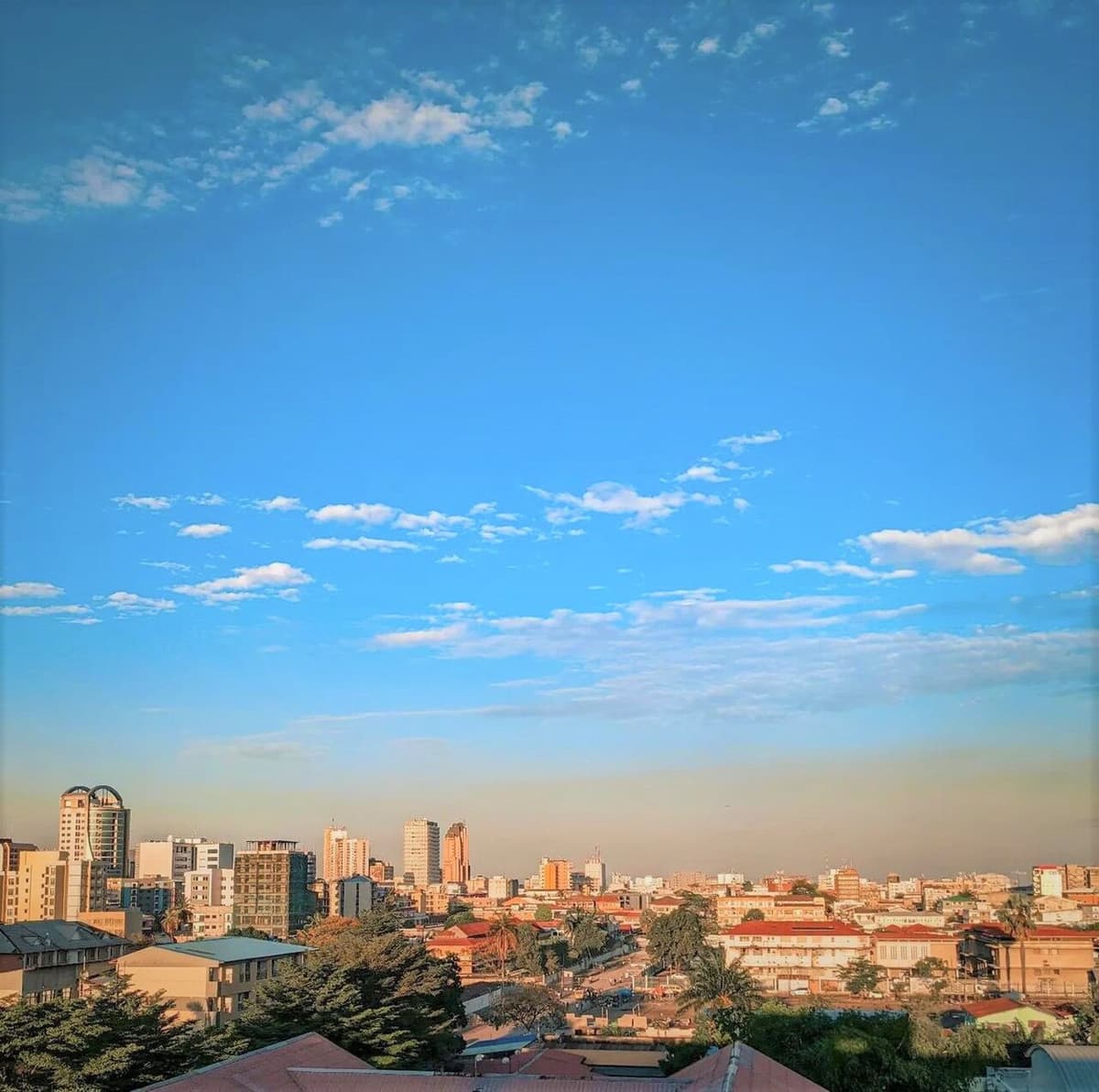
Le Président angolais met en garde contre le risque d'un conflit dans l'est de la RDC s'étendant à la région des Grands Lacs
Kinshasa, le 31 août 2026 - Le Président angolais Joao Lourenco a averti que le conflit de longue date dans l'est de la RDC pourrait avoir des répercussions dans la région des Grands Lacs, ajoutant un poids diplomatique…
Par Amina Kabasele - 3 min de lecture
Politique - 31 août 2026
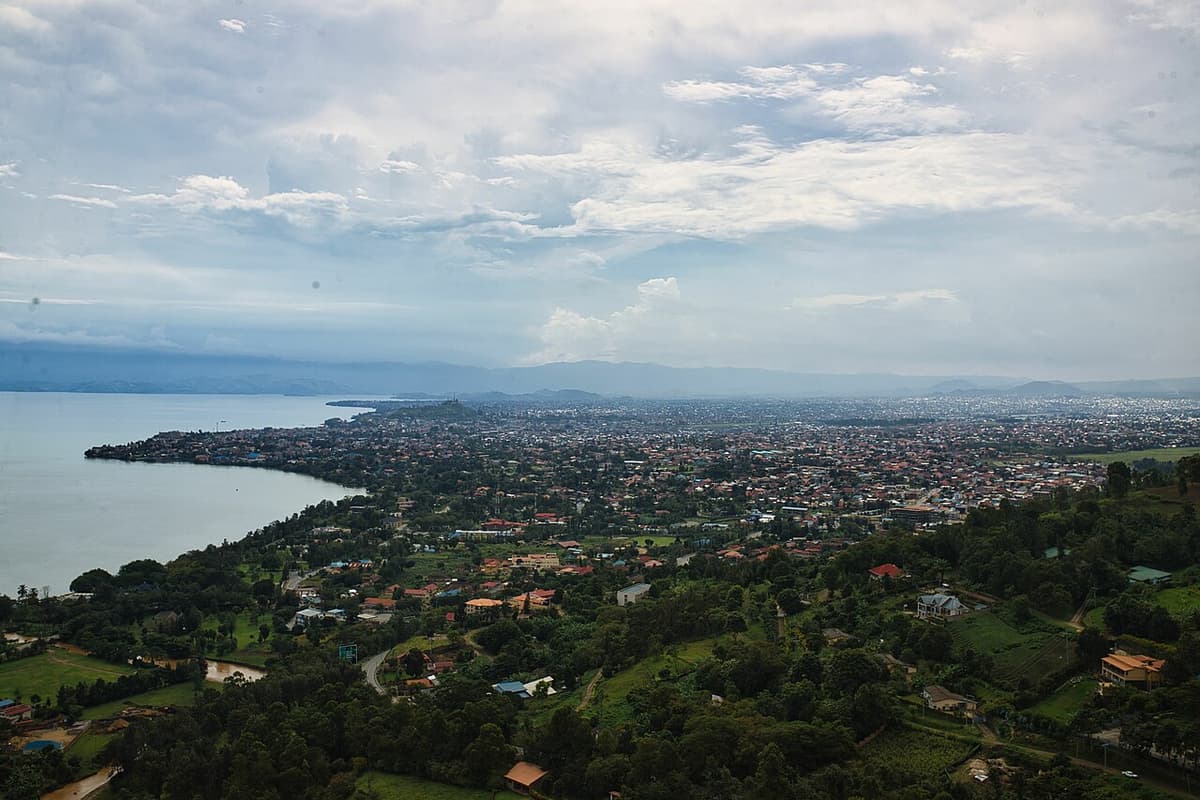
Le Rwanda rejette le cadrage ethnique des remarques du chef militaire ougandais
Kigali, le 31 août 2026 - Le Rwanda a réagi aux remarques sur les réseaux sociaux attribuées au chef des forces de défense de l'Ouganda, le général Muhoozi Kainerugaba, après que la porte-parole du gouvernement, Yolande…
Par Amina Kabasele - 2 min de lecture
Politique - 31 août 2026
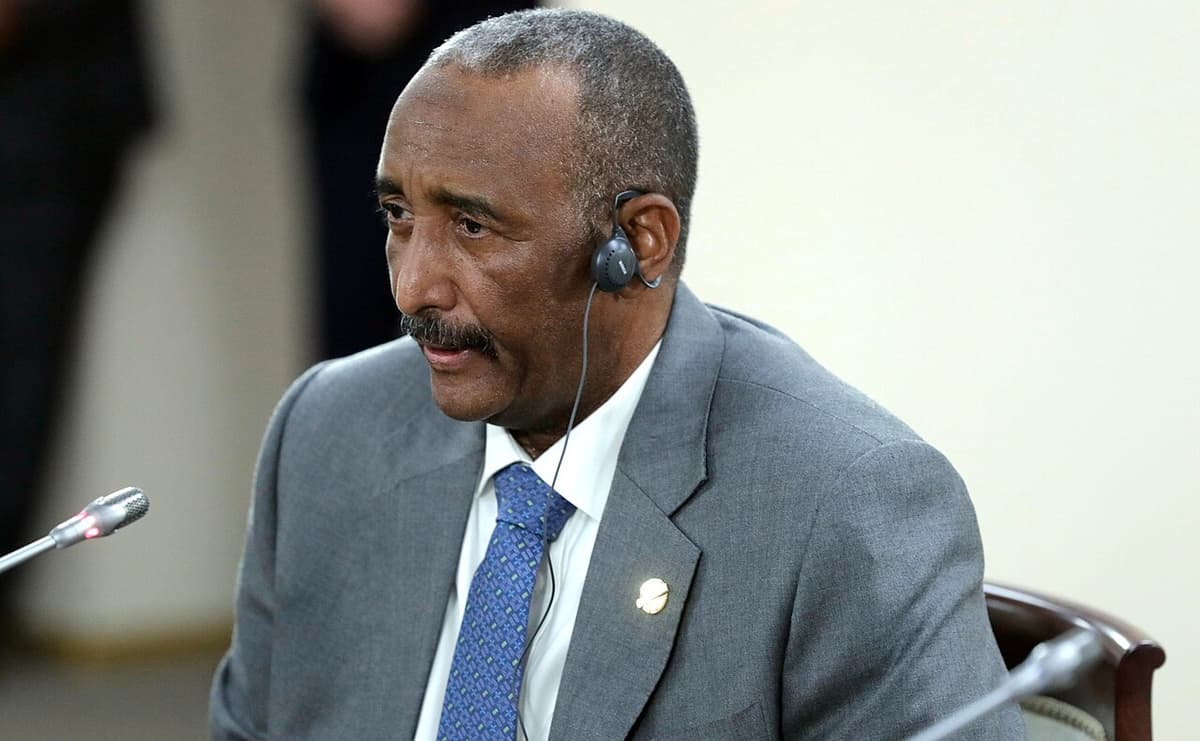
L'Union africaine soutient le plan de dialogue soudanais alors que des blocs civils s'y opposent
Khartoum, le 31 août 2026 - L'Union africaine a approuvé une nouvelle initiative de dialogue soudanais destinée à mettre fin à la guerre civile, mais d'importants groupes civils et politiques ont rejeté cette démarche…
Par Amina Kabasele - 2 min de lecture