
Politique - 9 juillet 2026
Le Soudan lance un fonds de 3 000 milliards de livres pour soutenir la saison agricole d'été
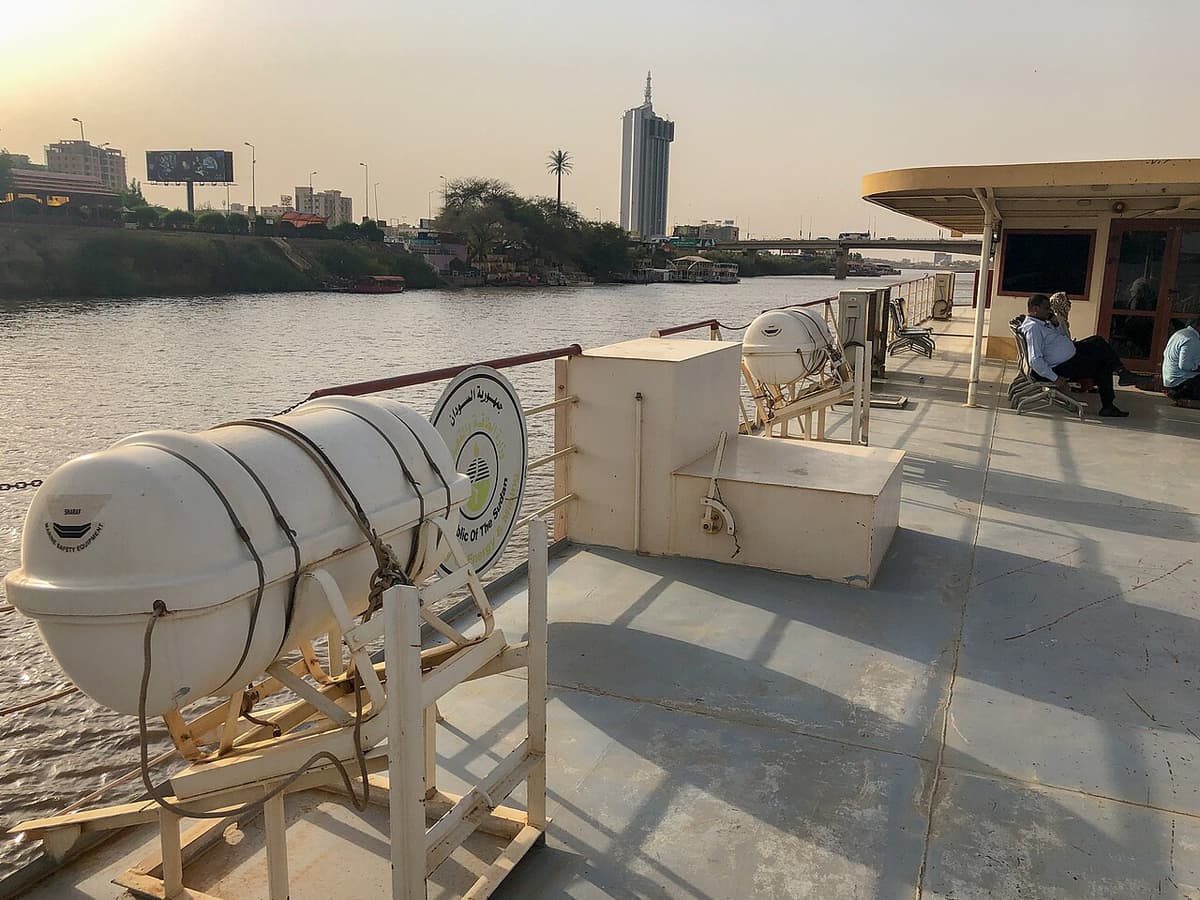
KHARTOUM, le 9 juillet 2026 - Le gouvernement soudanais a approuvé la création d'un fonds de financement bancaire d'une valeur de plus de 3 000 milliards de livres soudanaises pour soutenir la saison agricole d'été 2026 et renforcer le financement des secteurs productifs du pays.
Cette initiative intervient alors que les agriculteurs sont confrontés à des défis croissants causés par le conflit en cours, notamment un accès limité au financement, des pénuries de semences améliorées et d'engrais, la hausse des prix du carburant et la perturbation des chaînes d'approvisionnement.
Le ministre des Finances, Gibril Ibrahim, a déclaré que le fonds est conçu pour assurer le succès de la saison agricole de juillet à octobre. Il a également annoncé que le gouvernement couvrirait une part substantielle des coûts de l'assurance agricole afin de réduire la pression financière sur les agriculteurs.
Le ministre a encouragé la formation de coopératives agricoles pour aider les petits producteurs à accéder plus facilement au financement, au soutien technique, aux services de vulgarisation agricole et aux intrants de production essentiels.
L'initiative de financement a été approuvée à la suite de consultations impliquant le ministère des Finances, la Banque centrale du Soudan, la Banque agricole et les banques commerciales.
Dans le cadre de ce plan, la Banque centrale contribuera à hauteur de 20 % de la valeur du fonds, tandis que chaque banque commerciale fournira au moins 5 % du financement ciblé. Le programme vise à accroître les investissements dans l'agriculture tout en préservant le capital et les rendements des banques participantes, avec un accent particulier sur la microfinance et le renforcement des chaînes de valeur agricoles, de la production à l'exportation.
Le gouvernement vise à cultiver 1,2 million de feddans dans le projet de Gezira, 7,6 millions de feddans dans l'État de Gedaref et plus de 3,3 millions de feddans dans l'État du Nil Blanc au cours de la saison en cours.
L’agriculture reste la pierre angulaire de l’économie soudanaise, employant environ 80 % de la main-d’œuvre et contribuant à près de 32 % du produit intérieur brut du pays. Cependant, la production agricole a considérablement diminué ces dernières années, car les conflits, la hausse des coûts de production et les conditions météorologiques défavorables continuent d'affecter la production alimentaire et les moyens de subsistance en milieu rural.
Social et Santé
À lire aussi
Politique - 31 août 2026
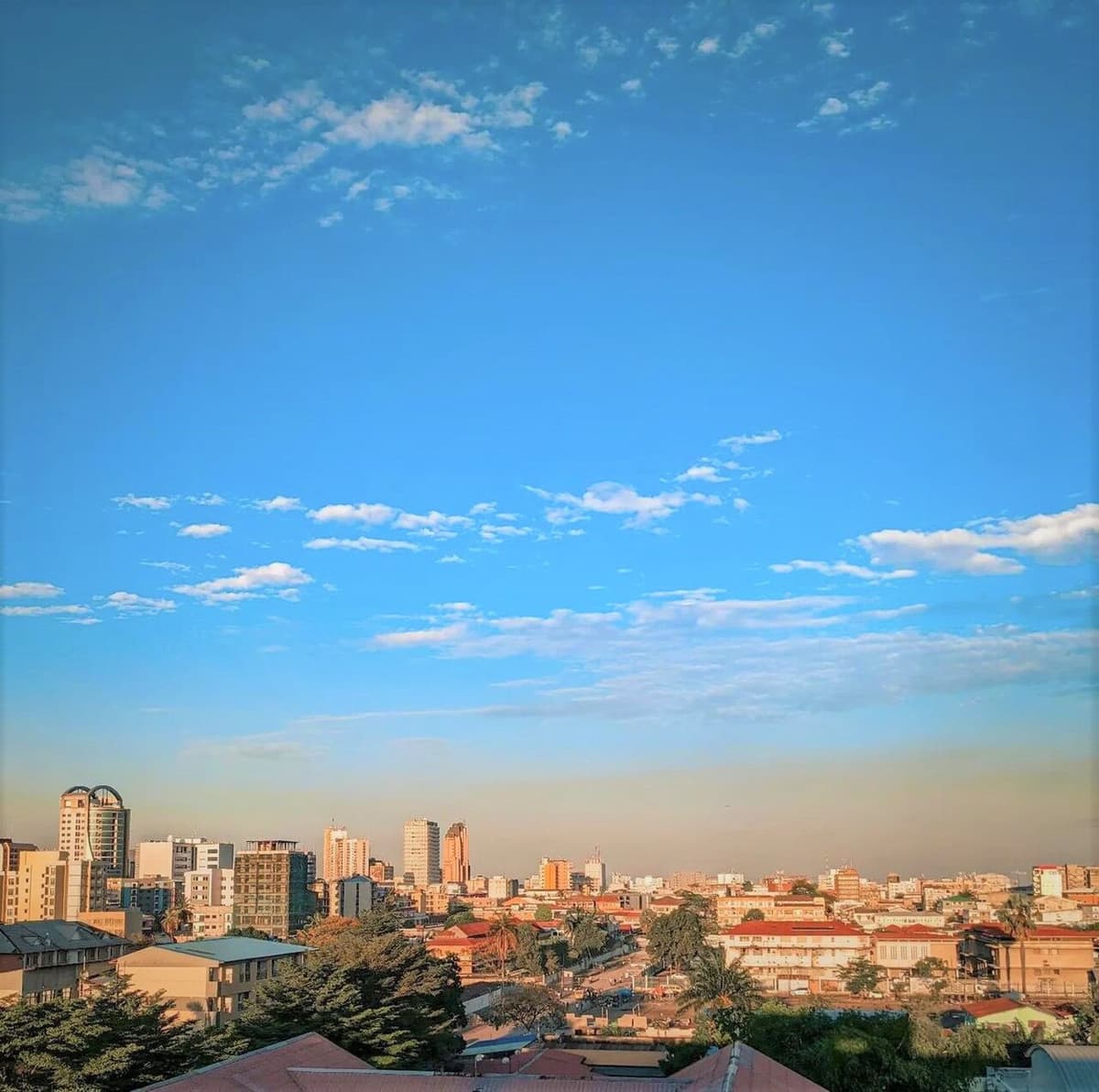
Le Président angolais met en garde contre le risque d'un conflit dans l'est de la RDC s'étendant à la région des Grands Lacs
Kinshasa, le 31 août 2026 - Le Président angolais Joao Lourenco a averti que le conflit de longue date dans l'est de la RDC pourrait avoir des répercussions dans la région des Grands Lacs, ajoutant un poids diplomatique…
Par Amina Kabasele - 3 min de lecture
Politique - 31 août 2026
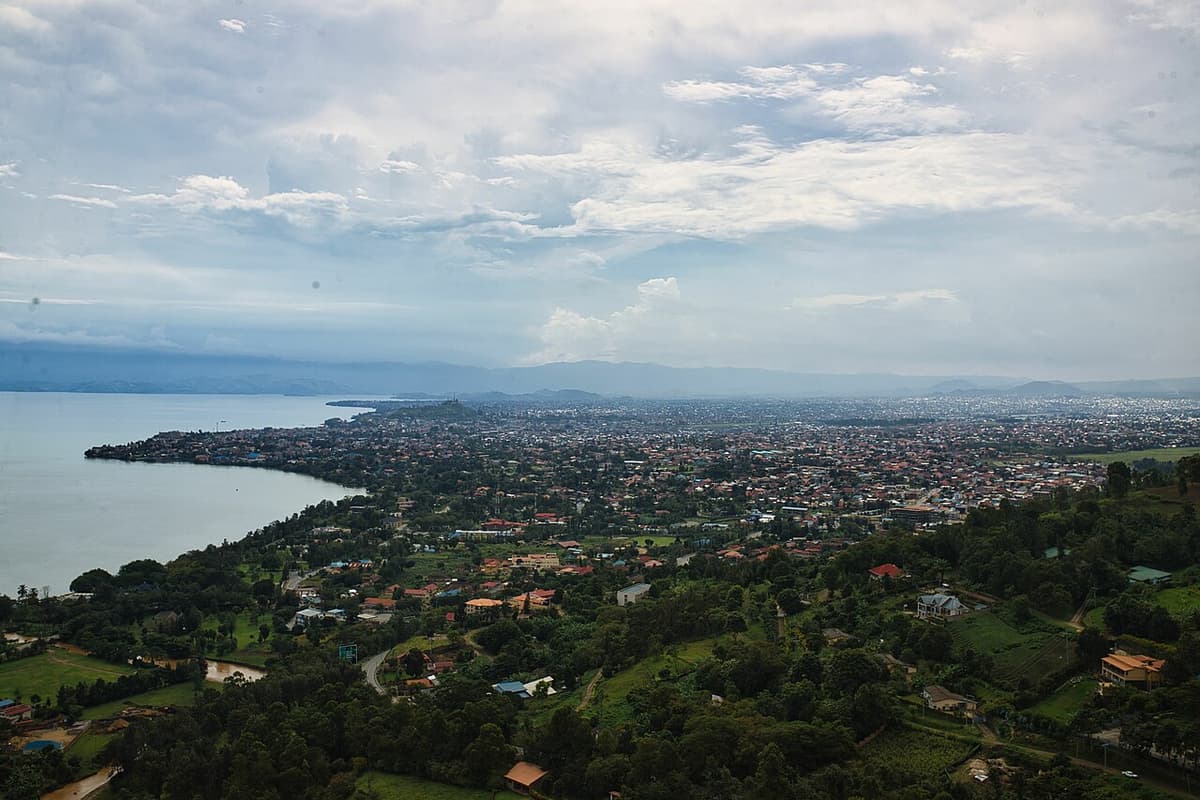
Le Rwanda rejette le cadrage ethnique des remarques du chef militaire ougandais
Kigali, le 31 août 2026 - Le Rwanda a réagi aux remarques sur les réseaux sociaux attribuées au chef des forces de défense de l'Ouganda, le général Muhoozi Kainerugaba, après que la porte-parole du gouvernement, Yolande…
Par Amina Kabasele - 2 min de lecture
Politique - 31 août 2026
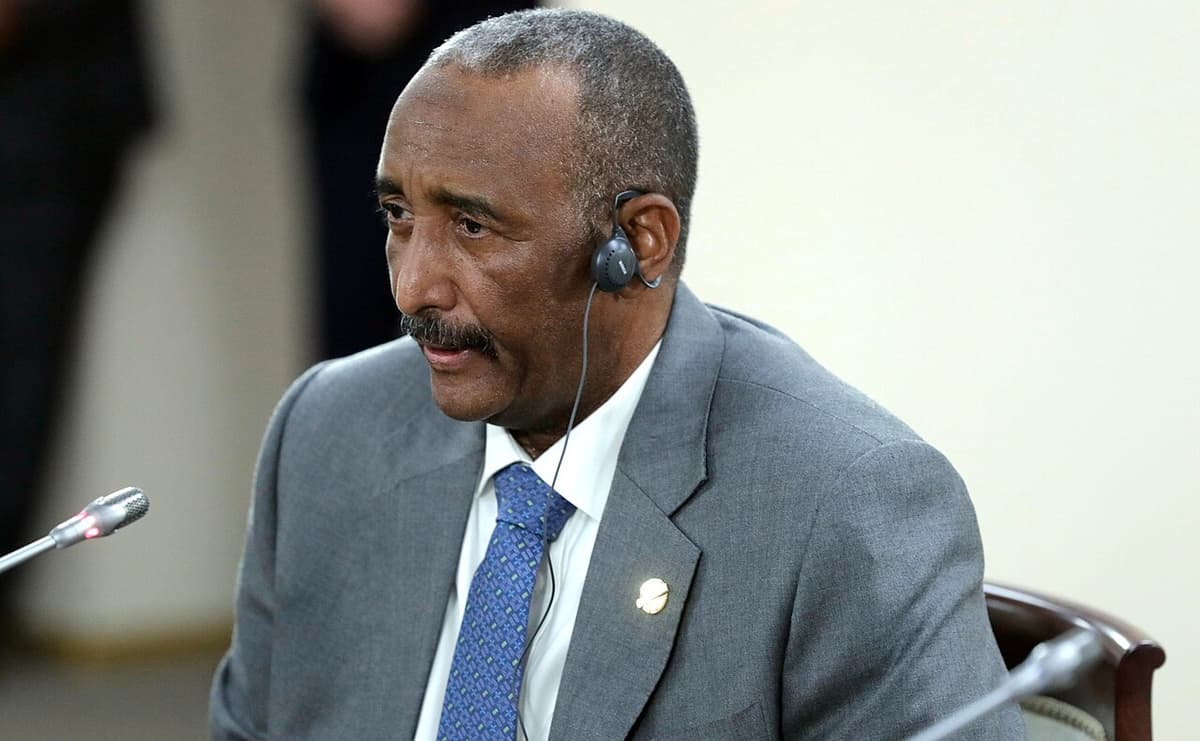
L'Union africaine soutient le plan de dialogue soudanais alors que des blocs civils s'y opposent
Khartoum, le 31 août 2026 - L'Union africaine a approuvé une nouvelle initiative de dialogue soudanais destinée à mettre fin à la guerre civile, mais d'importants groupes civils et politiques ont rejeté cette démarche…
Par Amina Kabasele - 2 min de lecture