
Sécurité - 22 février 2026
L'Afrique du Sud Annonce le Retrait de Ses Troupes de l'Est de la RDC
KINSHASA, le 10 février 2026 - L'Afrique du Sud a annoncé qu'elle retirerait ses troupes de la mission de maintien de la paix de l'ONU dans l'est de la République Démocratique du Congo, invoquant la nécessité de consolider ses forces militaires, des contraintes financières, des résultats opérationnels limités et un nouvel accent sur les priorités intérieures.
Les troupes font partie de la MONUSCO, où l'Afrique du Sud a maintenu entre 700 et 800 soldats, principalement au sein de la Brigade d'Intervention (FIB) - une unité autorisée à mener des opérations offensives contre des groupes armés.
Le retrait, annoncé le 8 février, est prévu pour se dérouler progressivement du premier trimestre 2026 jusqu'en décembre 2026.
Bien que Pretoria ait officiellement présenté cette décision comme stratégique et financière, les critiques soutiennent qu'elle est également influencée par des intérêts politiques et économiques plus larges, en particulier dans les régions riches en minéraux de l'est du Congo. Les déploiements sud-africains ont largement été concentrés dans le Nord-Kivu, le Sud-Kivu et l'Ituri - des provinces connues pour leurs dépôts d'or, de coltan, de gaz et de cuivre.
Depuis les années 1990, l'Afrique du Sud a publiquement justifié ses engagements militaires à travers le continent comme faisant partie des efforts pour rétablir la paix et la stabilité. Cependant, les observateurs notent que les déploiements de troupes coïncident souvent avec des zones de richesse en ressources naturelles significatives.
Des allégations ont également émergé au fil des ans accusant certains éléments au sein de la mission d'être impliqués dans des activités minières illégales, y compris le commerce illicite d'or et de coltan. Certains rapports affirment que des aéroports contrôlés par l'armée ont été utilisés dans des transactions minérales et que des intermédiaires ont facilité des réseaux de commerce transfrontalier. Ces allégations n'ont pas conduit à des poursuites internationales formelles mais continuent d'alimenter le débat sur les dimensions économiques des déploiements de troupes étrangères.
L'Afrique du Sud reste l'un des plus grands contributeurs à la Brigade d'Intervention de la MONUSCO, dont le mandat diffère des contingents traditionnels de maintien de la paix de l'ONU en permettant des opérations de combat proactives contre des groupes armés.
Le retrait progressif marque un changement significatif dans la dynamique de sécurité régionale, soulevant des questions sur l'équilibre futur des forces dans l'est du Congo et la durabilité à long terme des efforts de stabilisation internationale.
À lire aussi
Sécurité - 31 août 2026
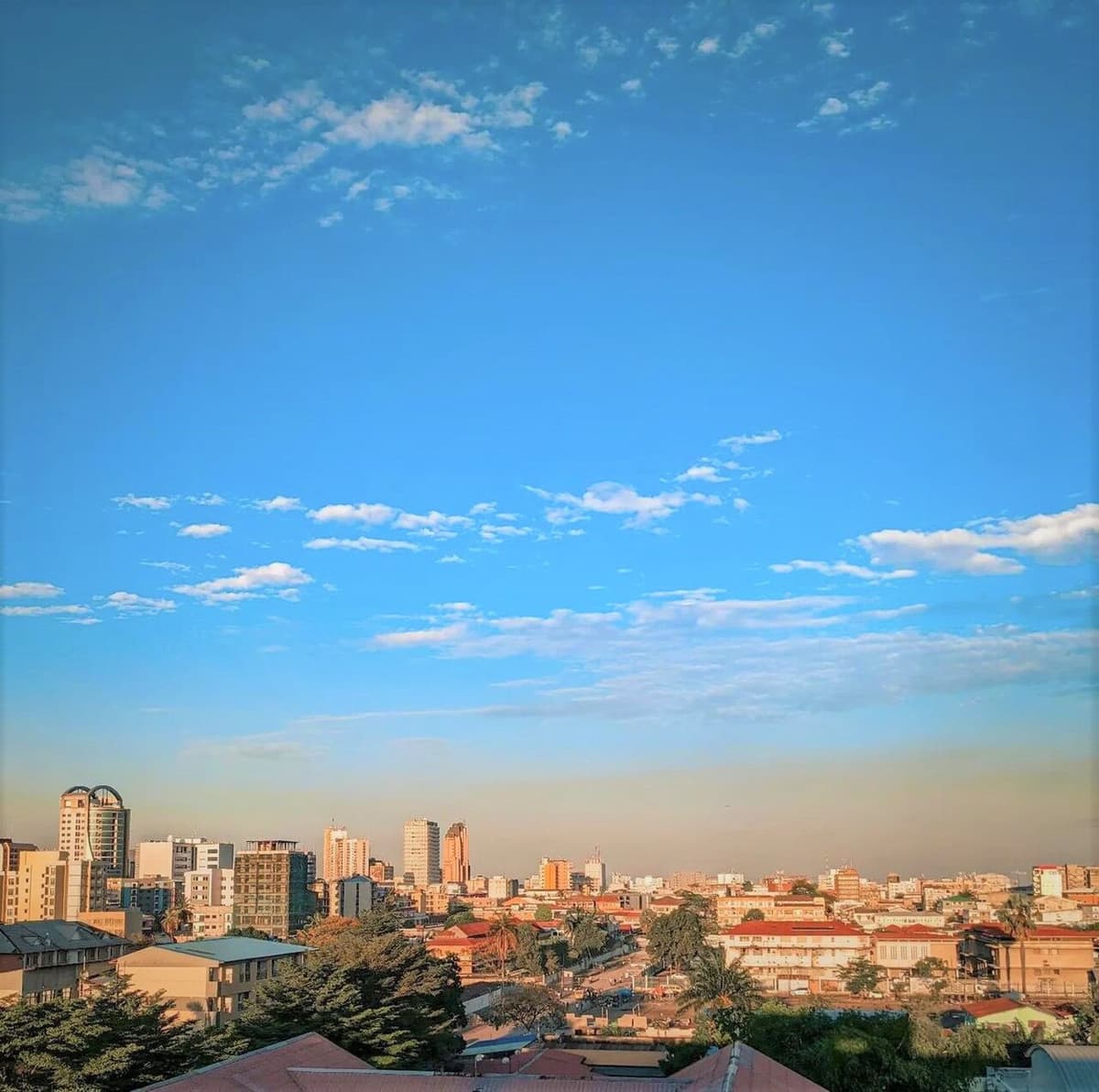
RDC et Congo-Brazzaville s'efforcent de désamorcer le conflit frontalier sur le fleuve Congo
Kinshasa, le 31 août 2026 - La RDC et le Congo-Brazzaville ont agi pour contenir les tensions après un affrontement mortel du 28 août entre les troupes des FARDC et les forces du Congo-Brazzaville sur le fleuve Congo…
Par Amina Kabasele - 3 min de lecture
Sécurité - 31 août 2026
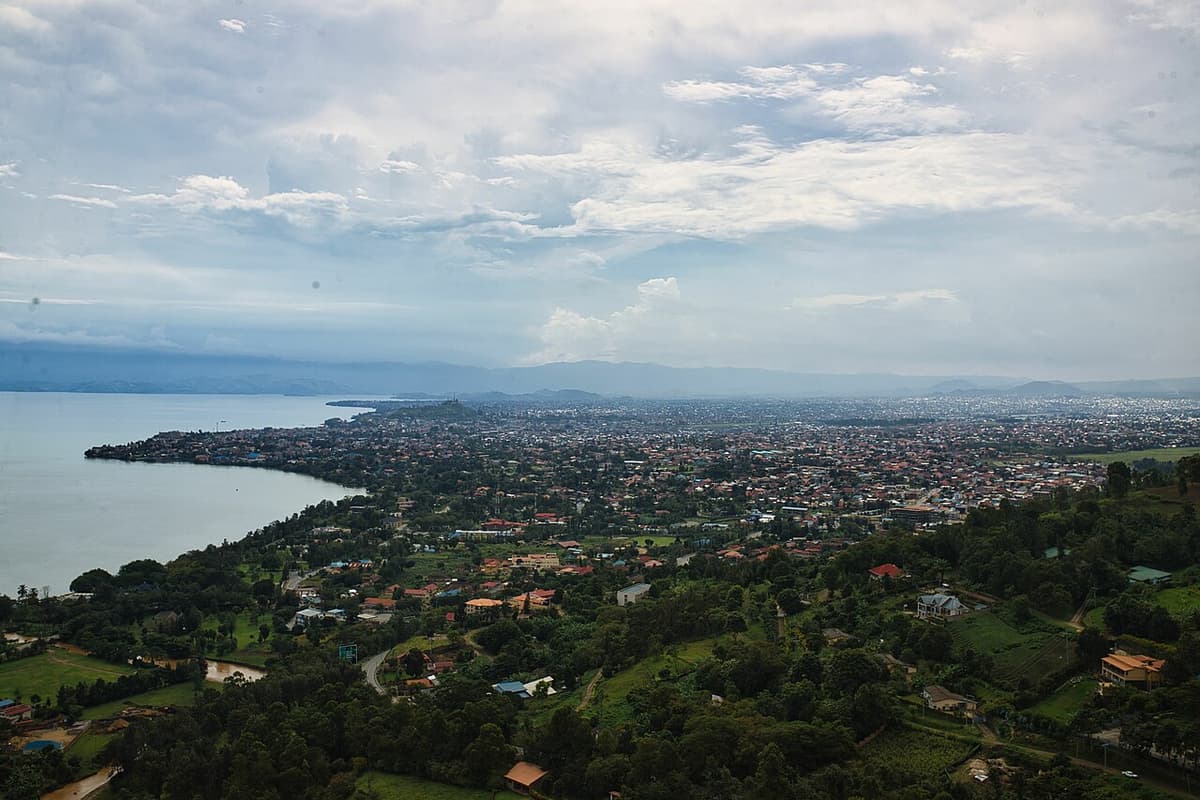
Des villages de Walikale vidés alors que les combats se propagent dans l'est de la RDC
Goma, le 31 août 2026 - Plusieurs villages du groupement Waloa Loanda de Walikale ont été vidés alors que les combats entre l'armée et les forces AFC/M23 se sont étendus des zones voisines de Masisi et Kalehe…
Par Amina Kabasele - 3 min de lecture
Sécurité - 31 août 2026
Le gouvernement affirme que l'armée bloque l'expansion de l'AFC/M23 au Kivu
Kinshasa, le 31 août 2026 - Le gouvernement a déclaré que les FARDC faisaient systématiquement échouer les tentatives de l'AFC/M23 d'occuper de nouveaux territoires dans les Kivus, alors que les combats se poursuivaient…
Par Amina Kabasele - 3 min de lecture