
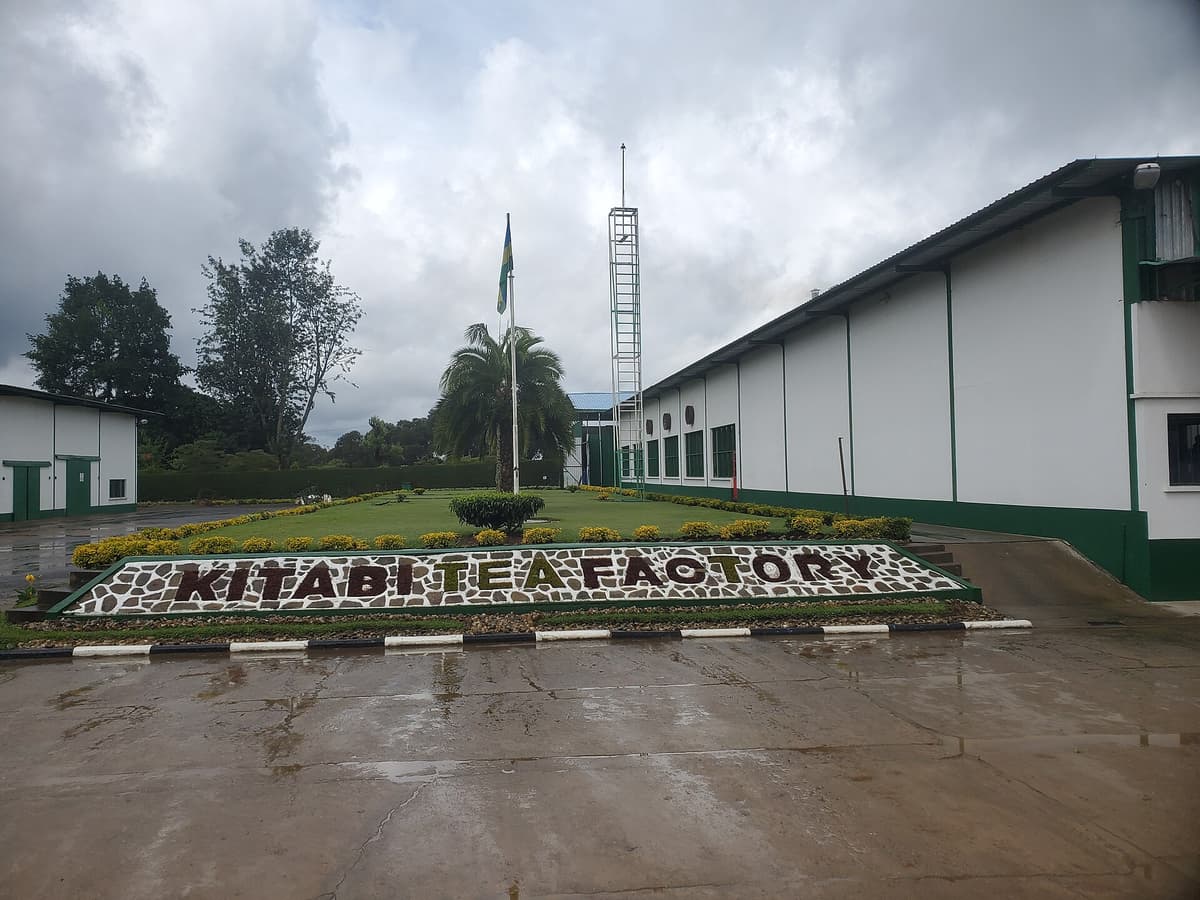
Sécurité - 19 avril 2026
Les responsables rwandais dénoncent le recrutement de jeunes dans les groupes armés le long de la frontière avec la RDC
Rubavu, le 7 avril 2026 - Les autorités locales de l'ouest du Rwanda ont fait part de leurs inquiétudes concernant des cas passés de jeunes ayant été induits en erreur à rejoindre des groupes armés opérant de l'autre côté de la frontière en République démocratique du Congo, tout en faisant état d'une récente baisse de ces incidents.
Nzayisenga Jean Pierre, chef du village de Muti dans le secteur de Cyanzarwe, district de Rubavu, a déclaré que certains jeunes étaient partis auparavant sous de faux prétextes. « Ils nous ont dit qu'ils allaient cultiver ou cultiver des troupeaux au Congo, mais nous avons découvert plus tard qu'ils avaient rejoint des groupes armés », a-t-il déclaré, faisant référence à des milices telles que Wazalendo et les FDLR.
S'exprimant après une visite sur le terrain des membres du FPR Inkotanyi, Nzayisenga a noté que depuis plus d'un an, aucun nouveau cas de jeunes de sa région rejoignant de tels groupes n'avait été enregistré. Il a attribué ce changement à l'amélioration du contrôle des frontières et à l'évolution de la dynamique dans l'est de la RDC, notamment suite à l'avancée du M23, qui contrôle désormais des zones clés, notamment la ville de Goma.
Selon Nzayisenga, les autorités et les habitants sont devenus plus vigilants. Dans le passé, certaines personnes qui tentaient de rentrer clandestinement ont été appréhendées et remises aux services de sécurité. Il a ajouté que plusieurs anciennes recrues avaient depuis suivi une rééducation et réintégré la vie civile.
Les dirigeants locaux ont souligné l’importance de l’éducation civique et de l’unité nationale pour prévenir le recrutement dans les groupes armés. Me Niyonkuru Jean Aimé, président du Conseil sectoriel de Cyanzarwe, a déclaré que les campagnes de sensibilisation visent à décourager les idéologies qui divisent et à promouvoir la cohésion sociale.
Le maire du district de Rubavu, Mulindwa Prosper, a fait écho à ces préoccupations, liant le recrutement passé aux idéologies extrémistes persistantes liées aux groupes qui ont fui le Rwanda après le génocide de 1994. Il a souligné la nécessité d'une vigilance continue le long de la frontière et d'une éducation aux valeurs nationales pour contrer de telles influences.
Alors que le Rwanda marque le 31e anniversaire du génocide contre les Tutsi, les autorités des secteurs frontaliers tels que Bugeshi ont signalé que des dizaines d'habitants précédemment recrutés par des groupes armés étaient récemment rentrés. Les autorités locales ont déclaré que 60 personnes avaient été rapatriées, dont 44 ayant rejoint Wazalendo et 14 associées aux FDLR.
Les responsables soutiennent que le renforcement des mesures de sécurité et l’engagement communautaire sont essentiels pour empêcher de nouveaux recrutements et garantir la stabilité dans les régions frontalières.
À lire aussi
Sécurité - 31 août 2026
RDC et Congo-Brazzaville s'efforcent de désamorcer le conflit frontalier sur le fleuve Congo
Kinshasa, le 31 août 2026 - La RDC et le Congo-Brazzaville ont agi pour contenir les tensions après un affrontement mortel du 28 août entre les troupes des FARDC et les forces du Congo-Brazzaville sur le fleuve Congo…
Par Amina Kabasele - 3 min de lecture
Sécurité - 31 août 2026
Des villages de Walikale vidés alors que les combats se propagent dans l'est de la RDC
Goma, le 31 août 2026 - Plusieurs villages du groupement Waloa Loanda de Walikale ont été vidés alors que les combats entre l'armée et les forces AFC/M23 se sont étendus des zones voisines de Masisi et Kalehe…
Par Amina Kabasele - 3 min de lecture
Sécurité - 31 août 2026
Le gouvernement affirme que l'armée bloque l'expansion de l'AFC/M23 au Kivu
Kinshasa, le 31 août 2026 - Le gouvernement a déclaré que les FARDC faisaient systématiquement échouer les tentatives de l'AFC/M23 d'occuper de nouveaux territoires dans les Kivus, alors que les combats se poursuivaient…
Par Amina Kabasele - 3 min de lecture