
Sécurité - 8 février 2026
Le Rwanda appelle l'ONU à appliquer le droit international de manière égale pour tous les pays
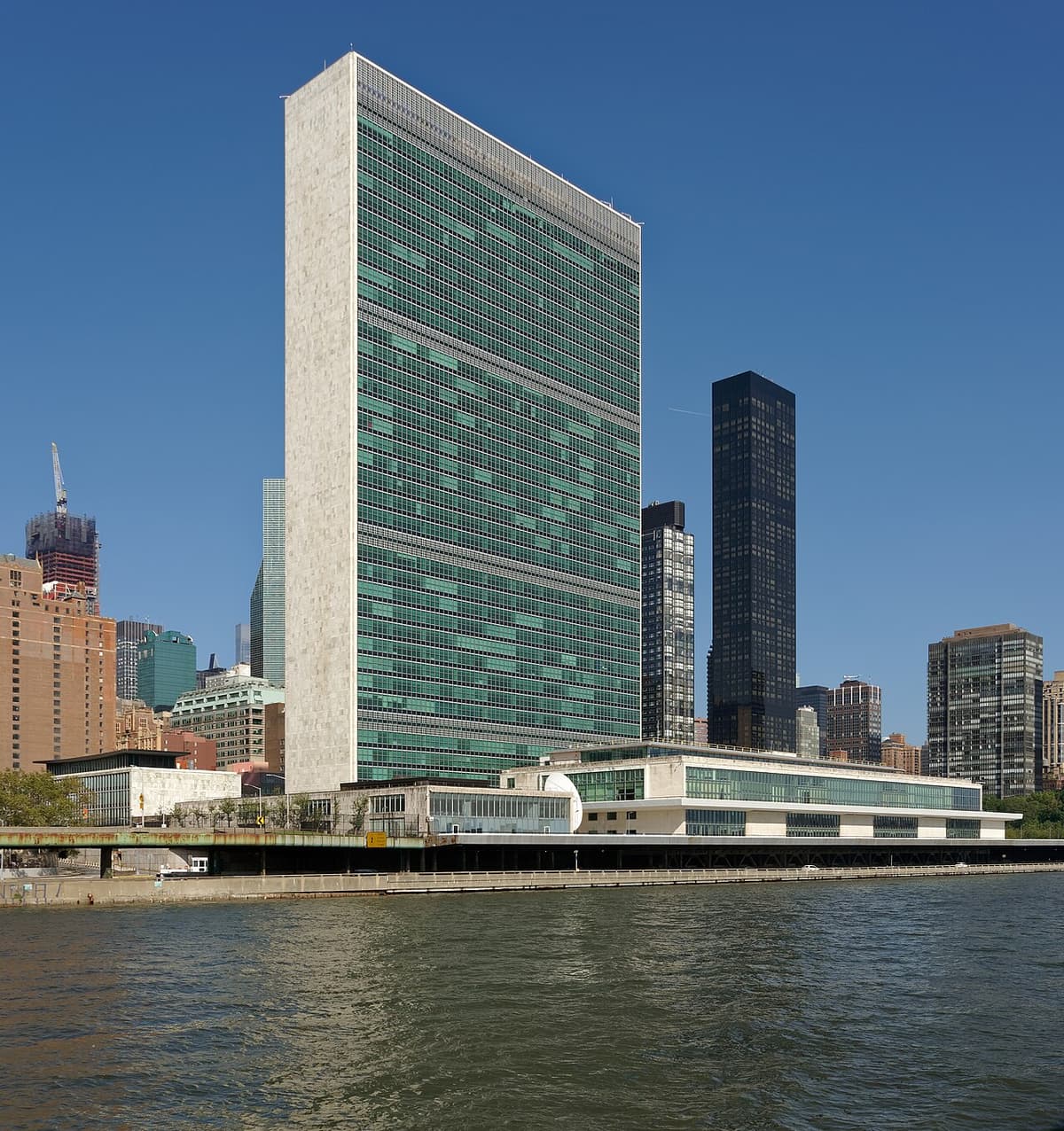
New York, le 28 janvier 2026 - L'ambassadeur du Rwanda auprès des Nations Unies, Martin Ngoga, a appelé le Conseil de sécurité de l'ONU à ne pas cibler sélectivement les pays en développement tout en ignorant les violations commises par des nations puissantes. Ces remarques ont été faites lors d'un débat organisé par la Somalie sur l'application du droit international.
L'ambassadeur Ngoga a souligné que le droit international existe, mais que son application est incohérente. "L'effondrement du respect de la loi n'a pas commencé hier... les principes n'étaient respectés que lorsque cela était nécessaire", a-t-il déclaré, mettant en évidence que les violations graves sont souvent ignorées lorsqu'elles sont commises par des États influents, tandis que les pays en développement sont punis de manière disproportionnée.
Il a critiqué le conseil pour avoir retardé l'action même lorsque des civils meurent et pour avoir échoué à prévenir la persécution ethnique, affirmant : "Les violations du droit international humanitaire sont discutées plutôt que condamnées. Le silence et la discrimination détruisent la confiance plus rapidement que n'importe quelle arme."
Ngoga a souligné que les préoccupations en matière de sécurité de tous les États doivent être prises au sérieux, quelle que soit leur taille ou leur puissance. "L'application sélective... sape la crédibilité de cette institution. La question n'est pas de savoir si l'État de droit est nécessaire, mais si nous voulons l'appliquer de manière égale pour tous les pays, grands et petits", a-t-il déclaré.
Le secrétaire général de l'ONU, Antonio Guterres, a reconnu que les pays puissants dictent souvent ce qui est considéré comme acceptable, en particulier lors de conflits et de divisions, créant un "mur" qui influence le droit international de manière sélective.
L'ambassadeur Ngoga a conclu qu'il est essentiel que le droit international soit efficace, que les organisations régionales et internationales coopèrent, et que les agences de l'ONU aient besoin d'une coordination plus forte pour garantir une application égale dans tous les pays.
À lire aussi

Sécurité - 31 août 2026
RDC et Congo-Brazzaville s'efforcent de désamorcer le conflit frontalier sur le fleuve Congo
Kinshasa, le 31 août 2026 - La RDC et le Congo-Brazzaville ont agi pour contenir les tensions après un affrontement mortel du 28 août entre les troupes des FARDC et les forces du Congo-Brazzaville sur le fleuve Congo…
Par Amina Kabasele - 3 min de lecture
Sécurité - 31 août 2026
Des villages de Walikale vidés alors que les combats se propagent dans l'est de la RDC
Goma, le 31 août 2026 - Plusieurs villages du groupement Waloa Loanda de Walikale ont été vidés alors que les combats entre l'armée et les forces AFC/M23 se sont étendus des zones voisines de Masisi et Kalehe…
Par Amina Kabasele - 3 min de lecture
Sécurité - 31 août 2026
Le gouvernement affirme que l'armée bloque l'expansion de l'AFC/M23 au Kivu
Kinshasa, le 31 août 2026 - Le gouvernement a déclaré que les FARDC faisaient systématiquement échouer les tentatives de l'AFC/M23 d'occuper de nouveaux territoires dans les Kivus, alors que les combats se poursuivaient…
Par Amina Kabasele - 3 min de lecture