
Politique - 20 octobre 2025
Le Rwanda et les États-Unis approfondissent leur coopération dans le domaine de l'énergie nucléaire et des minéraux critiques
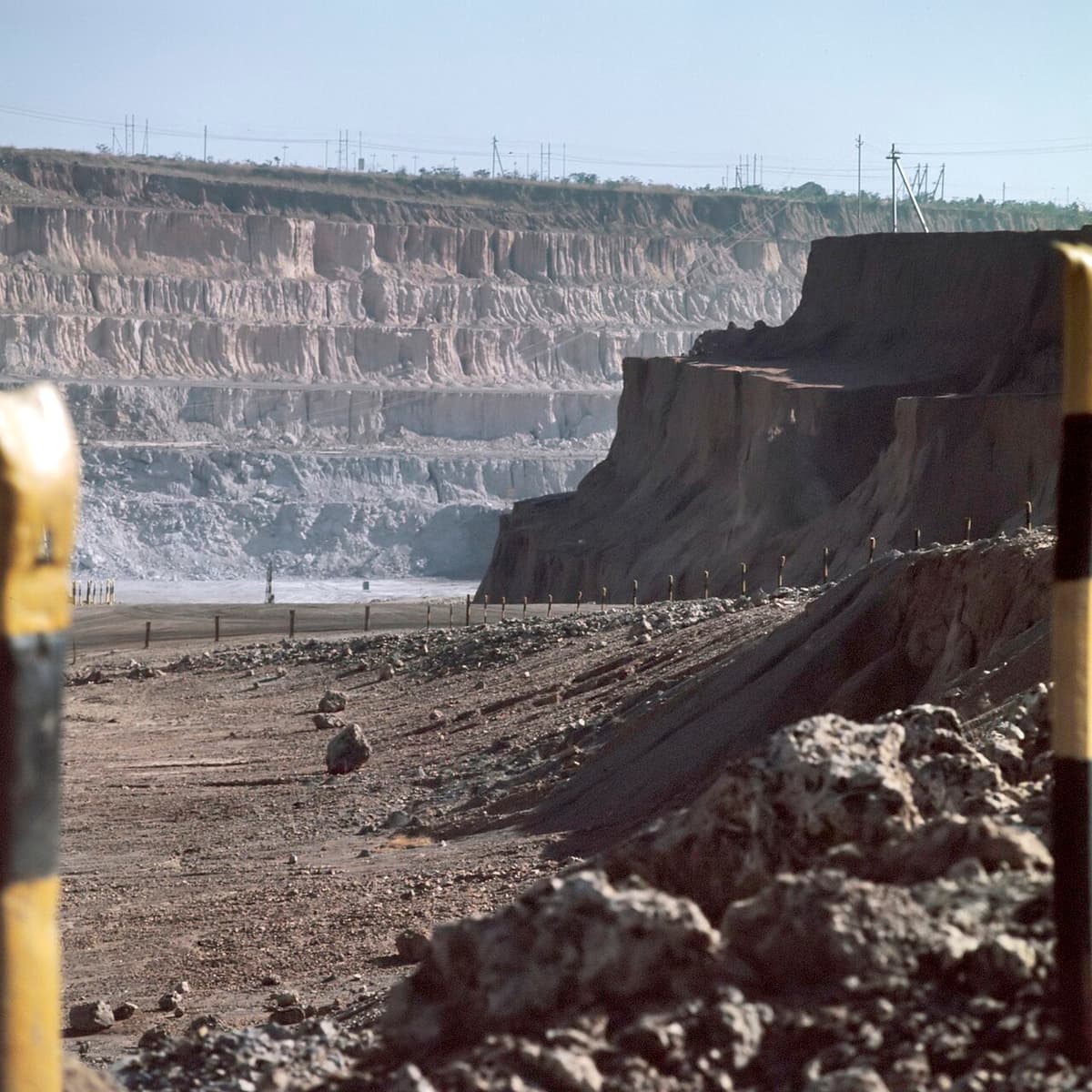
Kigali, le 20 octobre 2025 - Le Rwanda et les États-Unis ont renforcé leur partenariat dans les domaines de l'énergie nucléaire, du développement minéral et de l'innovation énergétique suite à des discussions de haut niveau tenues à Washington, D.C.
Le Premier ministre Dr. Justin Nsengiyumva a rencontré le secrétaire américain à l'énergie, Chris Wright, pour discuter de nouveaux domaines de collaboration, y compris l'utilisation pacifique de l'énergie nucléaire, le développement du gaz naturel et l'exploration et le traitement de minéraux clés essentiels aux transitions énergétiques mondiales.
Le Dr. Nsengiyumva était aux États-Unis pour assister à un dîner organisé par la International Conservation Caucus Foundation (ICCF), où les discussions ont également porté sur les politiques énergétiques durables et la résilience climatique.
Cette rencontre s'inscrit dans le cadre de l'engagement croissant du Rwanda au sein de la communauté mondiale de l'énergie nucléaire. En septembre 2025, le Dr. Fidel Ndahayo, directeur général de l'Office rwandais de l'énergie atomique (RAEB), a annoncé que le Rwanda priorisait plusieurs projets dans le cadre de l'Agence internationale de l'énergie atomique (AIEA) pour élargir l'utilisation pacifique de la technologie nucléaire.
Parmi ces initiatives figure le projet "Rays of Hope", conçu pour améliorer l'utilisation de l'énergie nucléaire en médecine, notamment dans le diagnostic et le traitement du cancer et d'autres maladies graves. Le projet "Atoms4Water" se concentre sur l'utilisation de la science nucléaire pour surveiller et améliorer la qualité de l'eau, ainsi que pour localiser des sources d'eau souterraines. Un autre programme, "ZODIAC" (Zoonotic Disease Integrated Action), vise à renforcer la détection précoce et la réponse aux maladies zoonotiques pouvant se transmettre des animaux aux humains.
Pour soutenir ces ambitions, le Rwanda prévoit d'établir le Centre pour la science et la technologie nucléaires (CNST) dans le district de Bugesera, près de l'Institut rwandais pour l'agriculture de conservation (RICA). L'établissement servira de centre pour la recherche nucléaire, la formation et l'innovation.
Le pays envisage également d'adopter des réacteurs modulaires de petite taille (SMRs), une nouvelle génération de centrales nucléaires compactes et efficaces. Selon le Dr. Ndahayo, le Rwanda s'est déjà engagé à former 234 experts en énergie nucléaire d'ici 2028, ouvrant la voie à l'installation de sa première centrale SMR d'ici 2030.
De plus, le Rwanda se prépare à déployer des scanners à émission de positrons (PET) pour améliorer les services de médecine nucléaire dans les hôpitaux locaux. Pour garantir la sécurité et la conformité, le gouvernement continue de renforcer son autorité de régulation nucléaire indépendante, responsable de la supervision et de la gestion des risques dans le secteur.
Le Dr. Ndahayo a souligné que ces initiatives font partie de la stratégie à long terme du Rwanda pour promouvoir une industrialisation axée sur la science, encourager le transfert de technologie et positionner le pays comme un modèle régional en matière d'innovation énergétique propre.
Pour que le Rwanda atteigne sa Vision 2050 - devenir une nation développée à revenu élevé - il devra générer au moins cinq gigawatts d'électricité. L'énergie nucléaire, a-t-il déclaré, jouera un rôle clé dans l'atteinte de cet objectif en fournissant une énergie fiable et durable.
L'électricité générée à partir de l'énergie nucléaire repose sur le processus de fission nucléaire, où les atomes d'uranium sont scindés pour libérer de la chaleur. Cette chaleur est ensuite utilisée pour produire de la vapeur, qui entraîne des turbines pour générer de l'électricité à l'intérieur d'un réacteur nucléaire - le cœur de la centrale électrique.
Grâce à une collaboration continue avec des partenaires internationaux tels que les États-Unis et l'AIEA, le Rwanda vise à exploiter le potentiel de la science nucléaire pour alimenter son développement, améliorer les soins de santé et faire progresser l'innovation technologique dans plusieurs secteurs.
À lire aussi
Politique - 31 août 2026
Le Président angolais met en garde contre le risque d'un conflit dans l'est de la RDC s'étendant à la région des Grands Lacs
Kinshasa, le 31 août 2026 - Le Président angolais Joao Lourenco a averti que le conflit de longue date dans l'est de la RDC pourrait avoir des répercussions dans la région des Grands Lacs, ajoutant un poids diplomatique…
Par Amina Kabasele - 3 min de lecture
Politique - 31 août 2026
Le Rwanda rejette le cadrage ethnique des remarques du chef militaire ougandais
Kigali, le 31 août 2026 - Le Rwanda a réagi aux remarques sur les réseaux sociaux attribuées au chef des forces de défense de l'Ouganda, le général Muhoozi Kainerugaba, après que la porte-parole du gouvernement, Yolande…
Par Amina Kabasele - 2 min de lecture
Politique - 31 août 2026
L'Union africaine soutient le plan de dialogue soudanais alors que des blocs civils s'y opposent
Khartoum, le 31 août 2026 - L'Union africaine a approuvé une nouvelle initiative de dialogue soudanais destinée à mettre fin à la guerre civile, mais d'importants groupes civils et politiques ont rejeté cette démarche…
Par Amina Kabasele - 2 min de lecture