
Justice - 24 janvier 2026
Le Rwanda soumet un rapport sur les progrès en matière de droits de l'homme à l'ONU mettant en avant des réalisations majeures
Kigali, le 24 janvier 2026 - Le ministère rwandais de la Justice a soumis un rapport complet au Bureau des droits de l'homme des Nations Unies, détaillant les progrès du pays sur 160 recommandations concernant la protection des droits de l'homme. Ces recommandations, tirées d'un ensemble plus large de 260 propositions reçues en 2021, ont été mises en œuvre à un taux estimé de 97%, selon le ministre de la Justice et procureur général Dr. Ugirashebuja Emmanuel.
Le rapport, présenté aux côtés de l'ambassadrice du Rwanda auprès de l'ONU, Urujeni Bakuramutsa, du directeur général de l'Institut national de la statistique, Murenzi Ivan, et du directeur général de la RGB, Dr. Doris Uwiceza, couvre tous les aspects de la vie nationale menés en conformité avec les normes des droits de l'homme.
Au cours des cinq dernières années, le ministère de la Justice (MINIJUST) a formé environ 3 000 agents de sécurité et de la justice, dont 673 dirigeants et juges, sur l'accélération des poursuites, les droits à un procès équitable et la lutte contre la torture. La Commission nationale des droits de l'homme a effectué des inspections dans 40 prisons et 103 centres de détention, tandis que plus de 9 300 personnes vulnérables et 7 000 victimes de violence basée sur le genre ont reçu une aide juridique gratuite.
Le rapport met en avant la bonne gouvernance, avec des améliorations dans la prestation de services via la plateforme Irembo, passant de 89 à 220 services, et la satisfaction des citoyens augmentant de 76,2 % à 89,6 % d'ici 2024. Le Rwanda a également créé plus de 900 000 emplois entre 2022 et 2025, tandis que le nombre de ménages avec électricité a atteint 84 %, et la possession de téléphones mobiles est passée de moins de 10 % à 86 %, améliorant l'accès à l'information. L'accès à l'eau potable est de 94 %.
En matière de santé, le taux de mortalité des enfants de moins de cinq ans est tombé de 45 pour 1 000 enfants en 2020 à 36 en 2025, les hôpitaux ont été modernisés au niveau d'enseignement, et des programmes de réponse à l'épidémie de Marburg ont été lancés, en plus d'initiatives visant à quadrupler le nombre de travailleurs de la santé. L'Agence nationale rwandaise de sécurité alimentaire et des médicaments a atteint la conformité de catégorie III de l'OMS, devenant ainsi le huitième pays africain à le faire.
Le rapport souligne également les progrès en matière d'unité et de prévention du génocide, y compris l'établissement du ministère de l'Unité rwandaise et de la responsabilité civique et l'inscription de quatre sites de génocide au patrimoine mondial de l'UNESCO en 2023. Les taux de pauvreté ont chuté de 39,8 % à 27,4 %, sortant 1,5 million de personnes de l'extrême pauvreté, soutenus par des programmes comme le VUP.
Dans le domaine de l'éducation, le Rwanda a construit 20 781 salles de classe, 650 nouvelles écoles, élargi les centres inclusifs pour les personnes handicapées et augmenté la capacité des enseignants, tout en continuant à augmenter le budget éducatif. La représentation des femmes dans les postes de direction a également augmenté, avec des femmes occupant des postes clés, y compris celui de la présidente de la Cour suprême, du procureur général et du médiateur.
Le Rwanda a accueilli des réfugiés de pays tels que l'Afghanistan et le Soudan, et a avancé la protection de l'environnement grâce au Fonds vert, investissant plus de 277 millions de dollars dans 64 projets ayant créé plus de 100 000 emplois et lançant un marché du carbone pour atténuer le changement climatique.
Des pays tels que le Mexique, Maurice, le Monténégro, le Maroc, le Mozambique, le Népal, les Pays-Bas, le Niger, le Nigéria, la Norvège, Oman, le Paraguay, les Philippines, le Portugal, le Qatar, la Corée, la Russie, le Sénégal, la Sierra Leone, Singapour, la Somalie, l'Afrique du Sud, le Soudan du Sud, l'Espagne, le Soudan, la Suède, le Togo et bien d'autres ont reconnu les réalisations du Rwanda et ont formulé des recommandations sur les ONG, la liberté d'expression et la liberté de la presse.
Dr. Ugirashebuja a souligné que le Rwanda respecte la liberté d'expression, notant qu'aucun journaliste n'a été emprisonné ou poursuivi dans le pays. La loi régissant les organisations non gouvernementales a été révisée en 2024 pour améliorer la conformité et la fonctionnalité.
Le Rwanda a rejoint le processus d'examen des droits de l'homme de l'ONU en 2011, recevant 67 recommandations, suivies de 50 en 2015 et 160 en 2021, sur lesquelles ce rapport est basé, démontrant des progrès significatifs dans la protection des droits de l'homme, la gouvernance, le développement social et l'inclusion économique.
À lire aussi

Justice - 31 août 2026
Des agents de police arrêtés suite à une interpellation liée à une tenue à Rubavu
Kigali, le 31 août 2026 - La Police nationale du Rwanda a arrêté deux agents après qu'une vidéo les a montrés en train d'arrêter une jeune femme à la gare routière de Rubavu en raison de la longueur de sa robe, un cas…
Par Amina Kabasele - 2 min de lecture
Justice - 31 août 2026
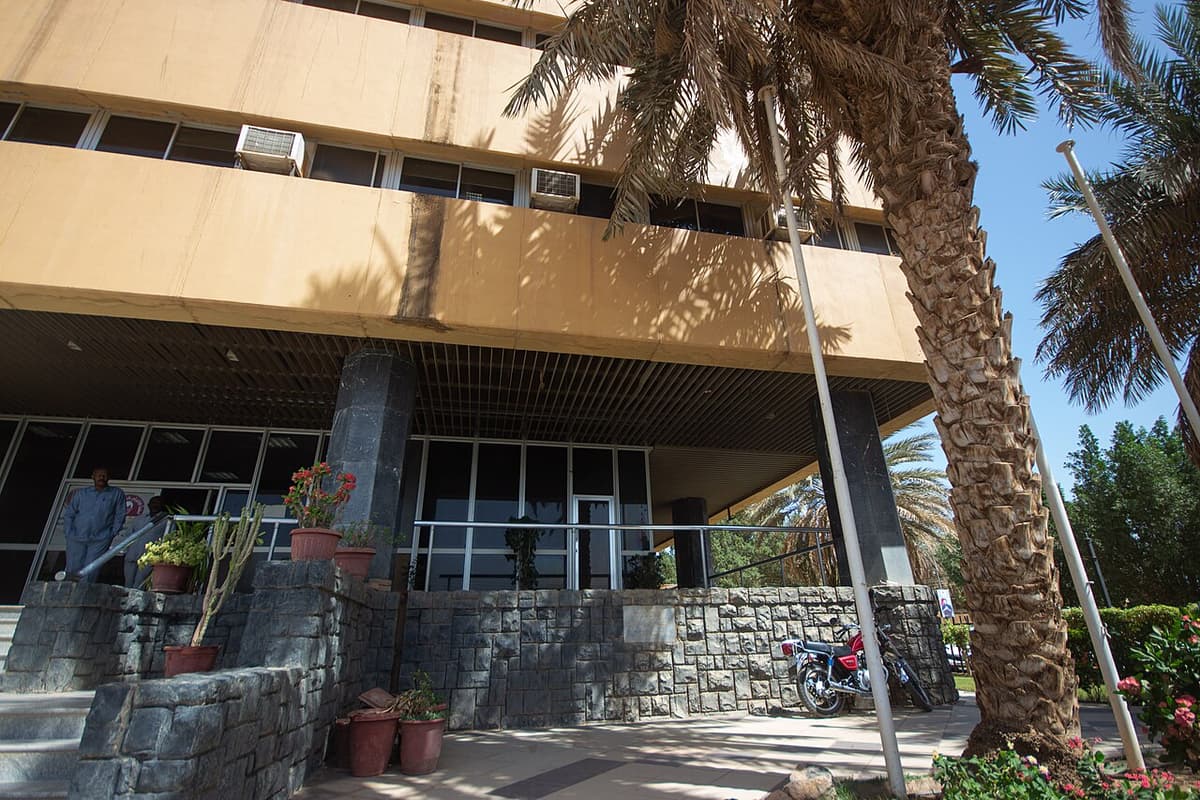
L'Intelligence militaire arrête le leader du syndicat des médecins lors d'un travail de terrain sur les maladies
Khartoum, le 31 août 2026 - L'Intelligence militaire soudanaise a arrêté le Dr Attiya Abdallah, à la tête du principal syndicat des médecins du pays, dans une affaire qui met en lumière la pression croissante sur les…
Par Amina Kabasele - 2 min de lecture
Justice - 31 août 2026
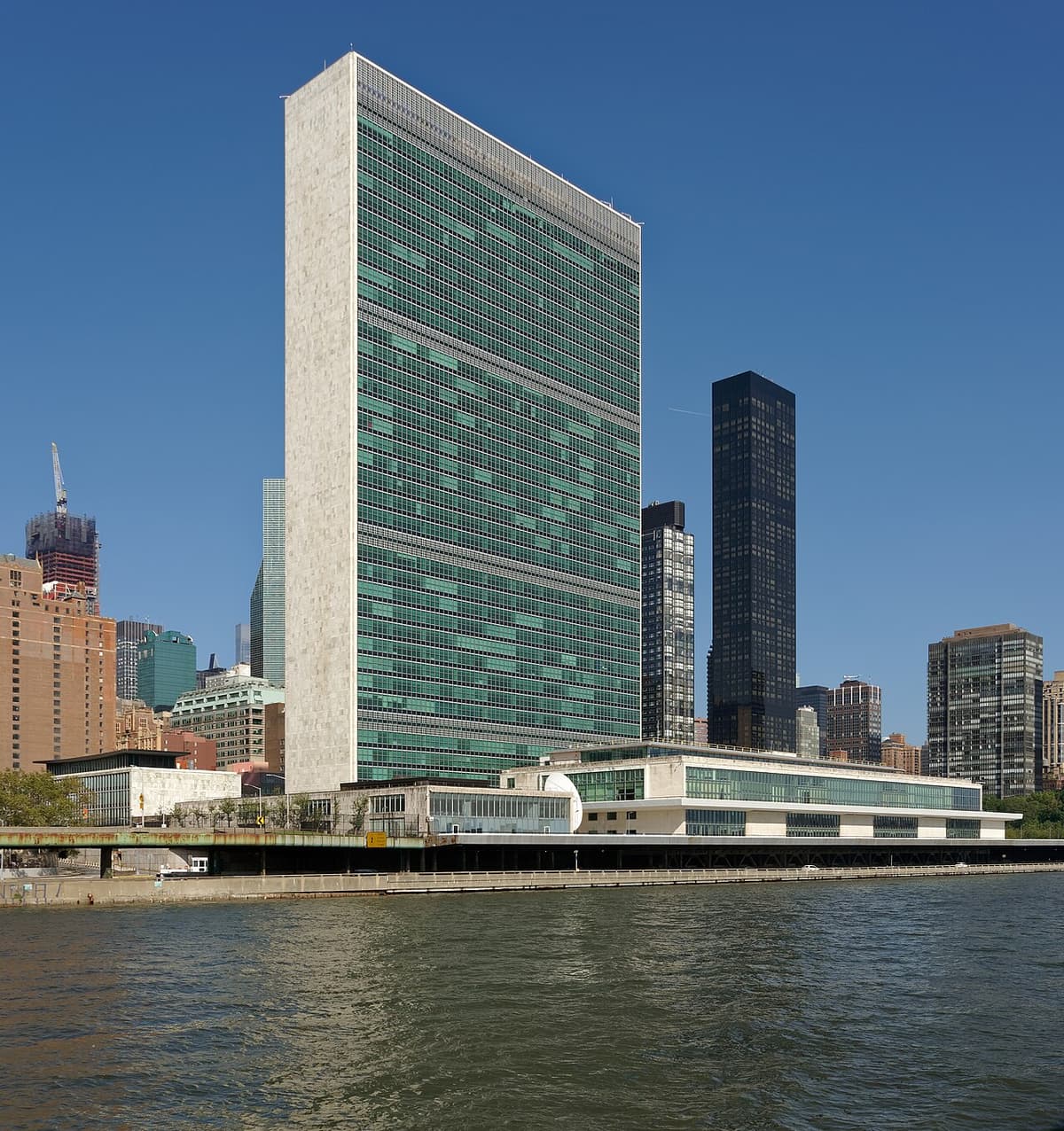
L'ONU exige la libération des travailleurs humanitaires détenus au Soudan
Khartoum, le 31 août 2026 - Les Nations Unies ont appelé à la libération immédiate et inconditionnelle des travailleurs humanitaires détenus par des groupes armés au Soudan, avertissant que les arrestations arbitraires…
Par Amina Kabasele - 2 min de lecture