

Afrique - 19 novembre 2025
Le Rwanda signe un accord transfrontalier pour protéger les grues migratrices
Kigali, le 19 novembre 2025 - L'Association rwandaise pour la conservation de la faune (RWCA) a signé des accords de coopération avec quatre organisations de conservation au Burundi, en Tanzanie et en Ouganda pour renforcer la protection des grues migratrices qui traversent régulièrement ces pays. Les accords ont été conclus à Kigali le 21 novembre 2025, lors de la célébration du 10e anniversaire de la RWCA.
Des représentants des organisations partenaires, y compris Nature Uganda, la International Crane Foundation (Ouganda), Nature Tanzania et l'Association burundaise pour la protection de la nature, ont rejoint la RWCA pour formaliser un cadre de conservation régional. La collaboration se concentrera sur la protection de 24 904 kilomètres carrés d'écosystèmes humides partagés.
Une enquête conjointe menée cette année a révélé l'ampleur des zones humides nécessitant une protection :
1 030 zones humides au Rwanda (82 % du total national),
787 zones humides en Ouganda,
266 en Tanzanie,
19 au Burundi,
toutes faisant partie d'écosystèmes interconnectés fréquentés par les grues migratrices et d'autres espèces des zones humides.
Le directeur général de la RWCA et fondateur, Dr. Olivier Nsengimana, a noté que les grues et d'autres espèces traversent de plus en plus les frontières, en particulier depuis les zones humides près de l'Akagera, de l'Akanyaru et de Kagitumba. Beaucoup ne reviennent pas, soulevant des inquiétudes quant à leur sécurité de l'autre côté, notamment dans les zones humides affectées par l'agriculture.
"Certaines des grues équipées de traceurs GPS se déplacent vers des pays voisins, c'est pourquoi la coopération avec les institutions locales est essentielle," a expliqué Dr. Nsengimana, ajoutant que les accords faciliteront le partage d'informations, la sensibilisation des communautés et le suivi conjoint.
Il a souligné que le suivi de la faune à travers les frontières présente des obstacles logistiques, y compris des permis et des restrictions de voyage, rendant la collaboration régionale la solution la plus pratique.
En réfléchissant à la première décennie de la RWCA, Dr. Nsengimana a mis en avant des progrès significatifs : la population de grues sauvages du Rwanda est passée de moins de 300 en 2015 à 1 245 aujourd'hui, soutenue par une équipe de conservation qui est passée de cinq bénévoles à 300 employés permanents.
Fidèle Bingwa, secrétaire permanent au ministère de l'Environnement, a salué l'impact de la RWCA, notant que ses résultats constants ont encouragé le gouvernement à approfondir son engagement en faveur de la protection de la faune.
À lire aussi
Afrique - 29 juin 2026
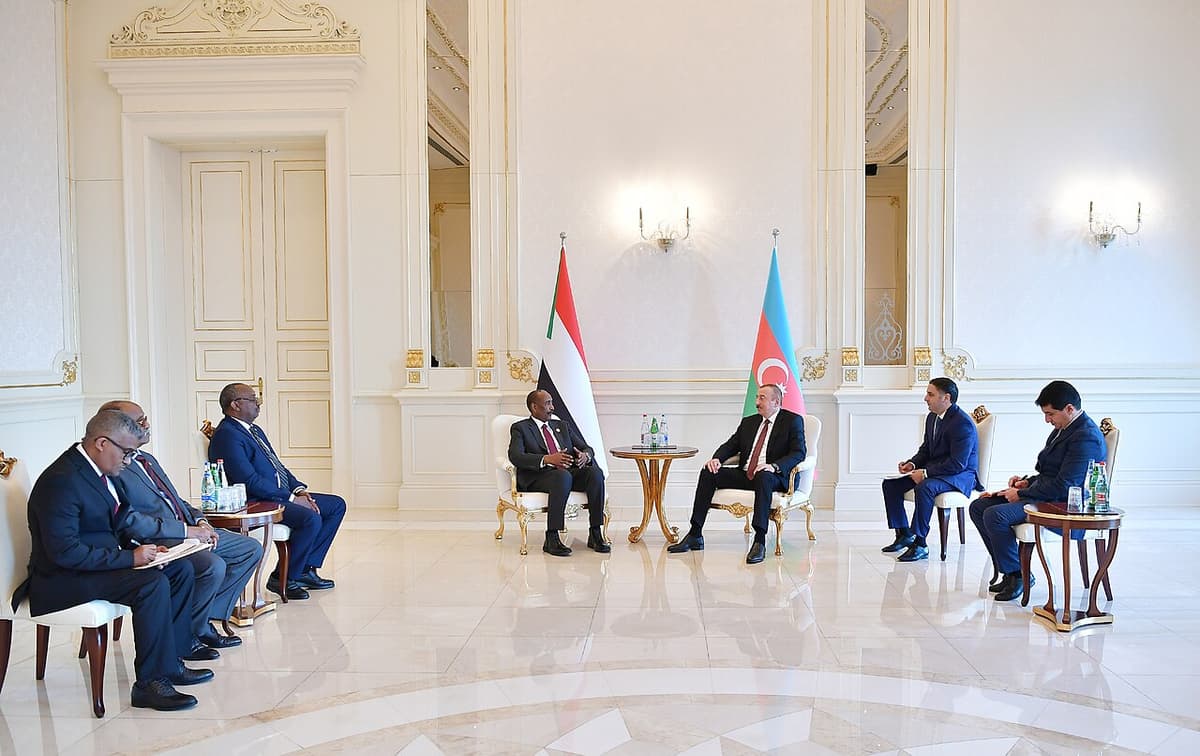
Une délégation de l'UE se rend au Soudan dans le cadre de la première mission de haut
Port-Soudan, le 18 juin 2026 - Une délégation de haut niveau de l'Union européenne a achevé sa première visite officielle au Soudan depuis le déclenchement du conflit en avril 2023, marquant un engagement diplomatique…
Par Sarah Ndaya - 3 min de lecture
Afrique - 28 juin 2026
L’accord de paix de Washington enregistre des progrès limités après un
Kinshasa, 27 juin 2026 - Un an après la signature de l'Accord de paix de Washington entre la République démocratique du Congo et le Rwanda, la mise en œuvre reste limitée, les deux pays remplissant moins d'un tiers de…
Par Sarah Ndaya - 3 min de lecture
Afrique - 28 juin 2026
Le Rwanda partage les leçons du développement post-génocide au Forum du leadership du
Kigali, Rwanda, le 22 juin 2026 - Le Premier Ministre Dr Justin Nsengiyumva a partagé l'expérience du Rwanda dans la reconstruction du pays après le génocide de 1994 contre les Tutsi, soulignant la planification à long…
Par Sarah Ndaya - 3 min de lecture