
Sécurité - 8 mars 2026
L’ambassadeur du Rwanda auprès de l’ONU déclare que l’insécurité en RDC découle de problèmes internes
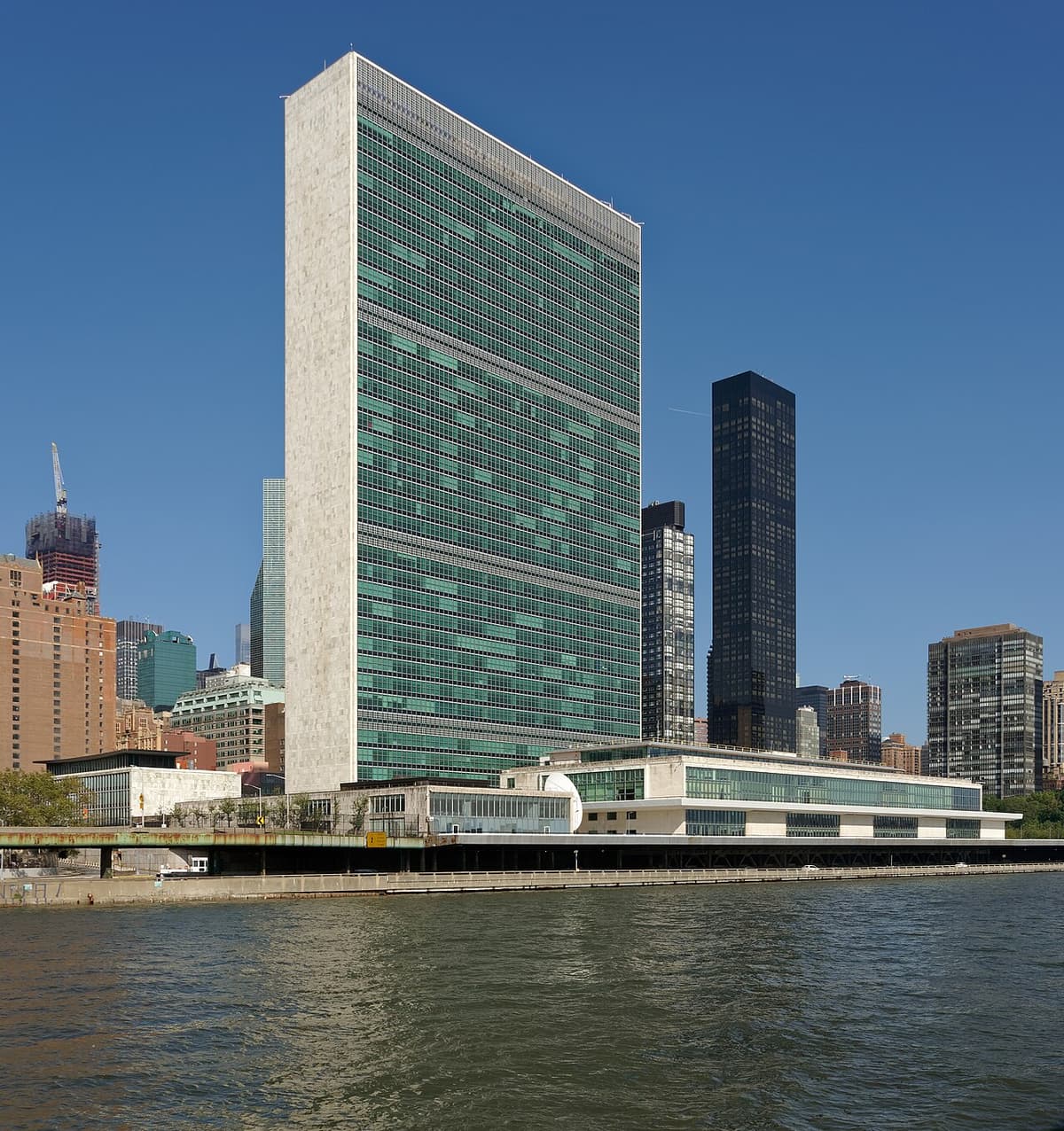
Kigali, le 8 mars 2026 - L'ambassadeur du Rwanda en Suisse et auprès des Nations Unies à Genève, Urujeni Bakuramutsa, a déclaré le 3 mars 2026 au Conseil des droits de l'homme de l'ONU que l'insécurité persistante en République démocratique du Congo (RDC) est largement causée par la gouvernance interne et les problèmes institutionnels du pays.
S'exprimant sur la situation dans la région des Grands Lacs, l'Ambassadeur Bakuramutsa a noté que plus de 160 groupes armés opèrent en RDC, notamment dans les provinces de l'Est, où l'instabilité persiste depuis plus de 30 ans.
« Dans l’est de la RDC, le problème de l’insécurité persiste depuis des décennies, alimenté par des problèmes internes et institutionnels profondément enracinés », a-t-il déclaré. Il a ajouté que l'insécurité ne se limite pas à l'est mais s'est propagée à d'autres zones, notamment près de Kinshasa, où des groupes tels que Mobondo sont actifs, illustrant les défis systémiques en matière de gouvernance.
Répondant aux accusations selon lesquelles le Rwanda soutient le groupe armé M23, l'Ambassadeur Bakuramutsa a souligné que le M23 est composé de combattants congolais qui ont pris les armes en raison des problèmes politiques et de sécurité en RDC, et que la responsabilité première de résoudre ces problèmes incombe au gouvernement de la RDC par des mesures politiques.
Il a également critiqué le gouvernement de la RDC pour avoir continué à soutenir le groupe terroriste FDLR, formé par des membres de l'armée vaincue (Ex-FAR) et des Interahamwe, responsables du génocide de 1994 contre les Tutsi. L'ambassadeur Bakuramutsa a noté que malgré l'accord de paix de juin 2025, renforcé en décembre 2025, la RDC n'a pas réussi à démanteler les FDLR et a même intégré des membres dans son armée, contrevenant ainsi aux résolutions du Conseil de sécurité de l'ONU.
L'Ambassadeur Bakuramutsa a appelé à une analyse approfondie des causes profondes de l'insécurité dans la région des Grands Lacs afin de déterminer les responsabilités de chaque pays et d'orienter les solutions pour une paix durable.
À lire aussi
Sécurité - 31 août 2026
RDC et Congo-Brazzaville s'efforcent de désamorcer le conflit frontalier sur le fleuve Congo
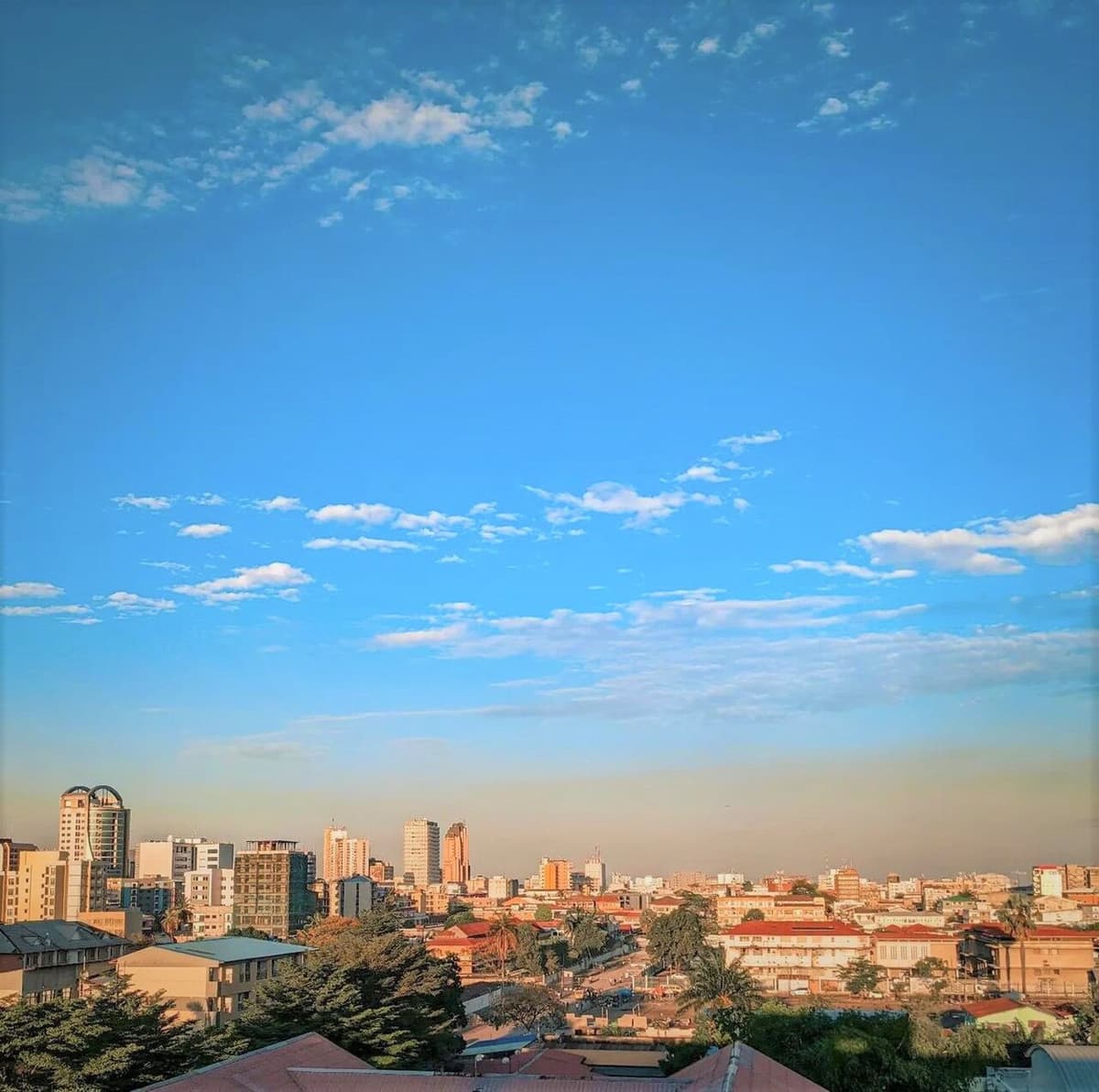
Kinshasa, le 31 août 2026 - La RDC et le Congo-Brazzaville ont agi pour contenir les tensions après un affrontement mortel du 28 août entre les troupes des FARDC et les forces du Congo-Brazzaville sur le fleuve Congo…
Par Amina Kabasele - 3 min de lecture
Sécurité - 31 août 2026
Des villages de Walikale vidés alors que les combats se propagent dans l'est de la RDC
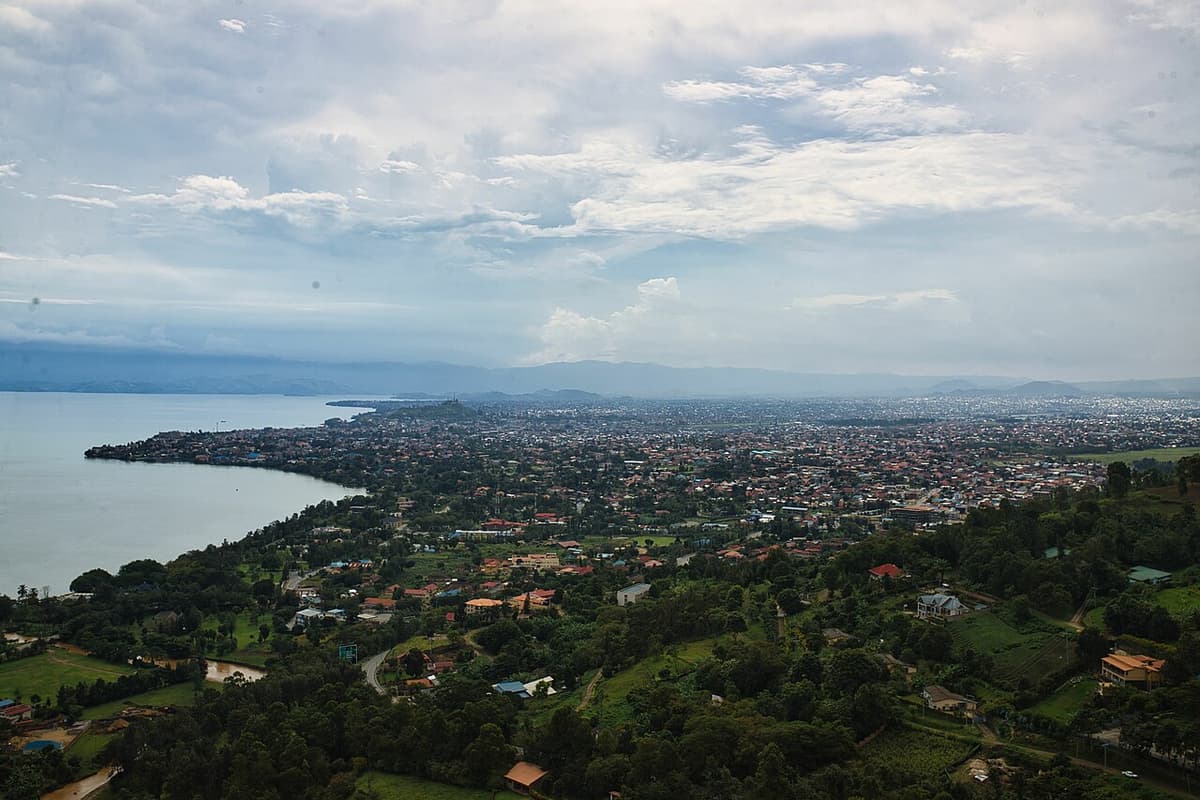
Goma, le 31 août 2026 - Plusieurs villages du groupement Waloa Loanda de Walikale ont été vidés alors que les combats entre l'armée et les forces AFC/M23 se sont étendus des zones voisines de Masisi et Kalehe…
Par Amina Kabasele - 3 min de lecture
Sécurité - 31 août 2026
Le gouvernement affirme que l'armée bloque l'expansion de l'AFC/M23 au Kivu
Kinshasa, le 31 août 2026 - Le gouvernement a déclaré que les FARDC faisaient systématiquement échouer les tentatives de l'AFC/M23 d'occuper de nouveaux territoires dans les Kivus, alors que les combats se poursuivaient…
Par Amina Kabasele - 3 min de lecture