
Politique - 19 avril 2026
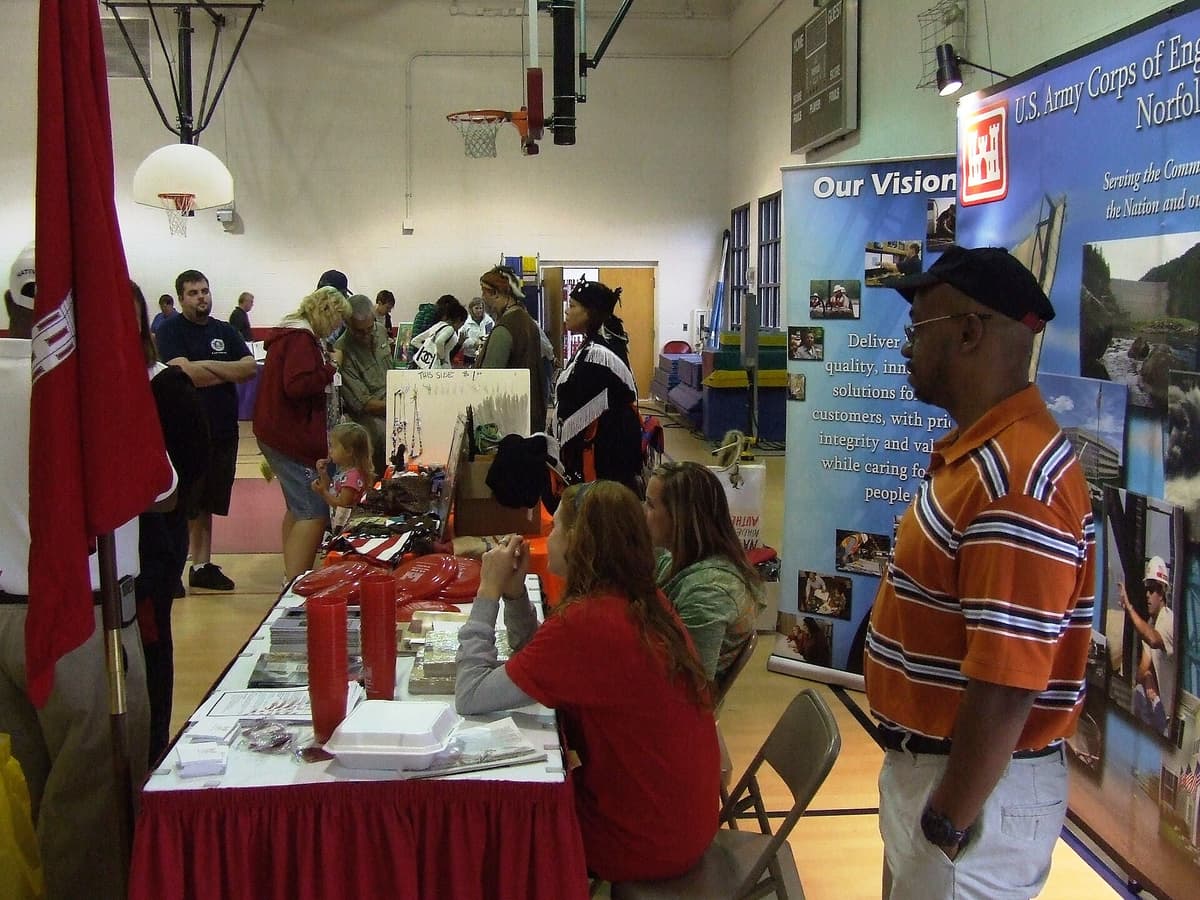
Les tensions entre le Rwanda et la RDC augmentent après que le ministre accuse le porte-parole congolais de discours de haine
Kigali, le 9 avril 2026 - Le ministre rwandais de l'Unité nationale et de l'Engagement civique, Jean-Damascène Bizimana, a accusé le porte-parole du gouvernement congolais, Patrick Muyaya, de promouvoir des discours de haine visant les communautés tutsi, aggravant ainsi les relations déjà tendues entre le Rwanda et la République démocratique du Congo.
Ces remarques ont été faites lors des commémorations marquant le 32e anniversaire du génocide perpétré contre les Tutsi, au cours desquelles Bizimana a affirmé que Muyaya avait précédemment qualifié les Tutsis de « meurtriers » lors d'une apparition télévisée sur Télé 50.
Muyaya a rapidement rejeté cette accusation, déclarant sur la plateforme de médias sociaux X que ces affirmations étaient « un mensonge raconté le jour du souvenir ».
En réponse, Bizimana a réitéré sa position, faisant référence à une interview de juillet 2024 dans laquelle Muyaya avait évoqué le conflit de longue durée dans l'est de la République démocratique du Congo. Le ministre rwandais a fait valoir que de telles déclarations contribuent à des discours dangereux, avertissant que « le génocide est toujours précédé de discours de haine ».
Il a également critiqué ce qu'il a décrit comme une rhétorique plus large de la part de certains responsables congolais, établissant des parallèles avec des personnalités passées accusées d'incitation. Bizimana a cité des exemples historiques pour souligner les conséquences potentielles d’un discours incendiaire, en particulier dans une région marquée par des tensions récurrentes et des conflits armés.
Ce conflit survient dans un contexte d'instabilité persistante dans l'est de la RDC, où les combats impliquant des groupes armés, notamment les Forces démocratiques de libération du Rwanda et la coalition AFC/M23, continuent d'alimenter les frictions diplomatiques entre Kinshasa et Kigali.
Muyaya a également récemment commenté la présence et le rôle des groupes armés dans la région, remettant en question l'efficacité des approches militaires face aux FDLR, un groupe historiquement lié aux individus impliqués dans le génocide de 1994.
L’échange met en lumière la sensibilité du discours public sur l’ethnicité et les conflits dans la région des Grands Lacs, où les accusations de discours de haine et de négation du génocide ont un poids politique et historique important.
À lire aussi
Politique - 31 août 2026
Le Président angolais met en garde contre le risque d'un conflit dans l'est de la RDC s'étendant à la région des Grands Lacs
Kinshasa, le 31 août 2026 - Le Président angolais Joao Lourenco a averti que le conflit de longue date dans l'est de la RDC pourrait avoir des répercussions dans la région des Grands Lacs, ajoutant un poids diplomatique…
Par Amina Kabasele - 3 min de lecture
Politique - 31 août 2026
Le Rwanda rejette le cadrage ethnique des remarques du chef militaire ougandais
Kigali, le 31 août 2026 - Le Rwanda a réagi aux remarques sur les réseaux sociaux attribuées au chef des forces de défense de l'Ouganda, le général Muhoozi Kainerugaba, après que la porte-parole du gouvernement, Yolande…
Par Amina Kabasele - 2 min de lecture
Politique - 31 août 2026
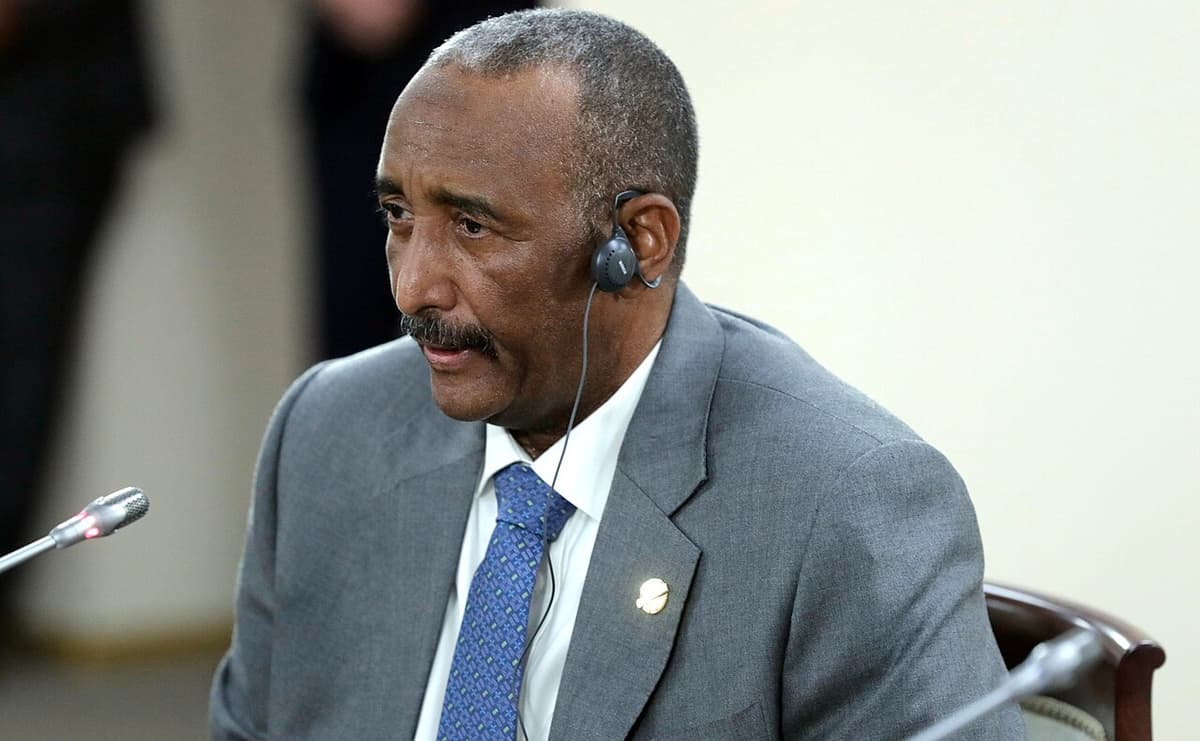
L'Union africaine soutient le plan de dialogue soudanais alors que des blocs civils s'y opposent
Khartoum, le 31 août 2026 - L'Union africaine a approuvé une nouvelle initiative de dialogue soudanais destinée à mettre fin à la guerre civile, mais d'importants groupes civils et politiques ont rejeté cette démarche…
Par Amina Kabasele - 2 min de lecture