
Sécurité - 2 décembre 2025
Le Rwanda critique la communauté internationale sur les préoccupations sécuritaires et les meurtres de Banyamulenge
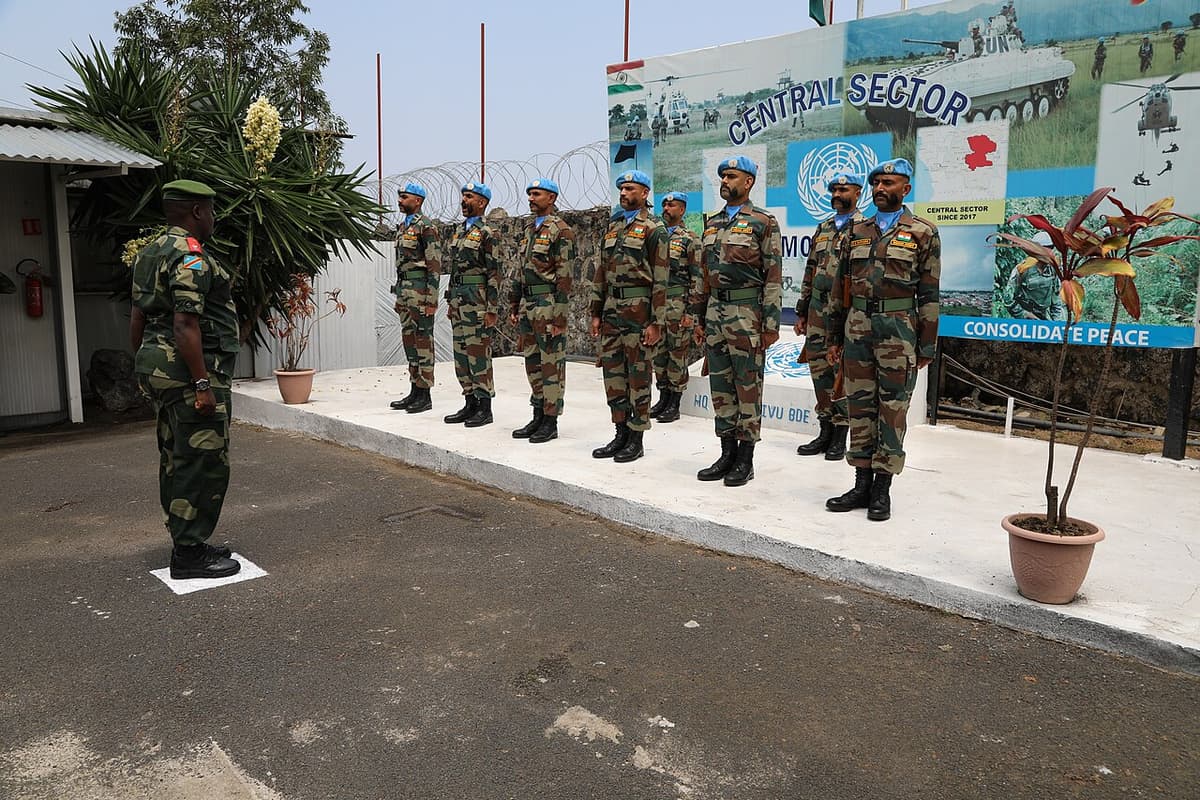
Kigali, le 2 décembre 2025 - Nations Unies, New York - Le Rwanda a accusé la communauté internationale d'ignorer ses préoccupations sécuritaires et les meurtres en cours de civils Banyamulenge dans l'est de la République Démocratique du Congo (RDC), avertissant que l'inaction exacerbe l'instabilité dans la région des Grands Lacs.
S'exprimant le 12 décembre 2025 lors d'une réunion du Conseil de sécurité de l'ONU, l'ambassadeur du Rwanda auprès des Nations Unies, Martin Ngoga, a abordé les discussions sur les récents affrontements entre l'AFC/M23 et les Forces armées congolaises dans la vallée de Rusizi, province du Sud-Kivu.
L'ambassadeur Ngoga a déclaré que les combats renouvelés avaient été déclenchés par la violation d'un cessez-le-feu par le gouvernement de la RDC, les forces burundaises, les milices Wazalendo, le groupe terroriste FDLR et des mercenaires étrangers. Il a ajouté que Kinshasa avait ouvertement signalé son intention de violer le cessez-le-feu, malgré les engagements pris lors des pourparlers de paix à Doha, au Qatar.
Ngoga a indiqué que depuis 2017, les forces congolaises et les groupes armés Mai Mai avaient mené des attaques soutenues contre la communauté Banyamulenge dans la région de Minembwe, détruisant environ 85 % de leurs villages.
Il a en outre accusé les forces de la RDC, burundaises et Mai Mai de bloquer les routes commerciales utilisées par les Banyamulenge pour accéder aux marchés, une tactique qu'il a décrite comme une tentative délibérée de famer la population.
Selon l'ambassadeur, les frappes aériennes et les attaques de drones sur les villages et les camps de réfugiés Banyamulenge, y compris à Mikenke, se sont intensifiées en 2025, mais ont suscité peu de réponse internationale.
"Entre mars et décembre de cette année, il y a eu 15 frappes aériennes dans cette zone, et personne n'en parle," a déclaré Ngoga. "Moi et d'autres membres de ce Conseil avons soulevé cette question ici à plusieurs reprises, mais rien n'a été fait."
Il a remis en question si le Conseil de sécurité de l'ONU était inconscient de la situation ou avait choisi de l'ignorer, exhortant les membres à examiner les conditions dans le Sud-Kivu avant les derniers combats.
L'ambassadeur Ngoga a réaffirmé le soutien du Rwanda à la souveraineté et à l'intégrité territoriale, mais a averti que le FDLR, qu'il a dit être soutenu par le gouvernement de la RDC, représente une menace directe pour la sécurité du Rwanda.
Il a déclaré que le soutien présumé au FDLR par Kinshasa est étayé par des preuves irréfutables, y compris plusieurs résolutions du Conseil de sécurité de l'ONU appelant à la dissolution du groupe.
"L'existence du FDLR compromet tout cela," a-t-il déclaré. "Les preuves sont irréfutables, les résolutions sont irréfutables, et la vérité est que le gouvernement de la RDC a soutenu le FDLR pendant 30 ans. Le FDLR ne menace pas seulement la souveraineté du Rwanda, il menace son existence et son peuple."
Ngoga a averti que, bien que la communauté internationale puisse sembler indifférente à la sécurité du Rwanda ou des communautés tutsies congolaises confrontées à la violence, elle ne devrait pas aller jusqu'à accuser les victimes de violence lorsqu'elles agissent en légitime défense.
Il a salué l'accord de coopération en matière de paix et de développement économique signé par le Rwanda et la RDC le 4 décembre 2025, notant que les deux parties se sont engagées à continuer de soutenir le dialogue politique entre le gouvernement de la RDC et l'AFC/M23.
L'ambassadeur Ngoga a conclu que le dialogue reste le seul chemin viable pour résoudre les conflits régionaux, mais a souligné que la volonté politique sincère de toutes les parties est essentielle pour parvenir à une paix durable.
À lire aussi
Sécurité - 31 août 2026
RDC et Congo-Brazzaville s'efforcent de désamorcer le conflit frontalier sur le fleuve Congo
Kinshasa, le 31 août 2026 - La RDC et le Congo-Brazzaville ont agi pour contenir les tensions après un affrontement mortel du 28 août entre les troupes des FARDC et les forces du Congo-Brazzaville sur le fleuve Congo…
Par Amina Kabasele - 3 min de lecture
Sécurité - 31 août 2026
Des villages de Walikale vidés alors que les combats se propagent dans l'est de la RDC
Goma, le 31 août 2026 - Plusieurs villages du groupement Waloa Loanda de Walikale ont été vidés alors que les combats entre l'armée et les forces AFC/M23 se sont étendus des zones voisines de Masisi et Kalehe…
Par Amina Kabasele - 3 min de lecture
Sécurité - 31 août 2026
Le gouvernement affirme que l'armée bloque l'expansion de l'AFC/M23 au Kivu
Kinshasa, le 31 août 2026 - Le gouvernement a déclaré que les FARDC faisaient systématiquement échouer les tentatives de l'AFC/M23 d'occuper de nouveaux territoires dans les Kivus, alors que les combats se poursuivaient…
Par Amina Kabasele - 3 min de lecture