

Politique - 22 mars 2026
Le Rwanda poursuit ses efforts pour finaliser la démarcation de la frontière avec ses voisins
Kigali, le 13 mars 2026 - Le Rwanda poursuit un processus de longue date visant à confirmer ses frontières officielles avec les pays voisins, plus de deux décennies après le lancement initial de l'initiative, a déclaré le ministère de l'Environnement.
S'exprimant devant le Parlement, la ministre de l'Environnement, Bernadette Arap, a expliqué que le processus a commencé en 2000, lorsque le Cabinet a approuvé la création d'une commission nationale chargée de superviser les négociations frontalières et la démarcation avec les États voisins. La commission a officiellement commencé ses travaux en février 2001, appuyée par une équipe technique.
« Des progrès significatifs ont été réalisés, notamment des travaux de démarcation avec la République démocratique du Congo et l'Ouganda », a déclaré le ministre. Cependant, elle a noté que le processus reste incomplet, car certaines frontières n'ont pas encore été formellement approuvées par toutes les parties concernées.
Par mesure de précaution, lors du programme national d'enregistrement foncier (2009-2013), les autorités ont demandé aux résidents vivant à moins de 200 mètres des frontières internationales de ne pas enregistrer leurs terres, afin d'éviter d'éventuels litiges. En conséquence, certaines terres situées dans ces zones ne sont toujours pas enregistrées.
Les négociations sont en cours. Les engagements récents incluent des réunions avec la Tanzanie et une session en février 2025 avec l'Ouganda, au cours de laquelle les deux parties ont convenu de reprendre les efforts de démarcation de la frontière.
Les conflits liés aux frontières foncières persistent
Outre les frontières internationales, le Rwanda s’attaque également aux divergences internes aux frontières terrestres identifiées lors du processus d’enregistrement foncier à l’échelle nationale.
Le ministre Arap a révélé que 222 423 parcelles de terrain ont déjà été corrigées, tandis que les efforts se poursuivent pour résoudre les cas en suspens dans 582 villages. Les défis comprenaient des limites floues en raison du relief tel que les forêts, les pâturages et les terres agricoles, ainsi que des cas où les propriétaires fonciers étaient absents lors de la cartographie initiale.
Pour résoudre ce problème, les autorités utilisent désormais des technologies de cartographie modernes pour finaliser les corrections, dans le but d'achever le processus d'ici un an.
Le gouvernement travaille avec des partenaires de développement pour soutenir la correction des limites dans des districts tels que Kirehe, Nyagatare et Kayonza, et prévoit d'étendre cet effort à 10 districts supplémentaires.
Les responsables ont noté que même si certains résidents peuvent embaucher des arpenteurs-géomètres privés, d'autres sont soutenus par les structures administratives locales pour garantir une représentation et une résolution équitables.
Les efforts en cours reflètent l’engagement du Rwanda à clarifier les frontières territoriales, à renforcer la gouvernance foncière et à prévenir de futurs conflits tant au niveau national qu’au-delà de ses frontières.
À lire aussi
Politique - 31 août 2026
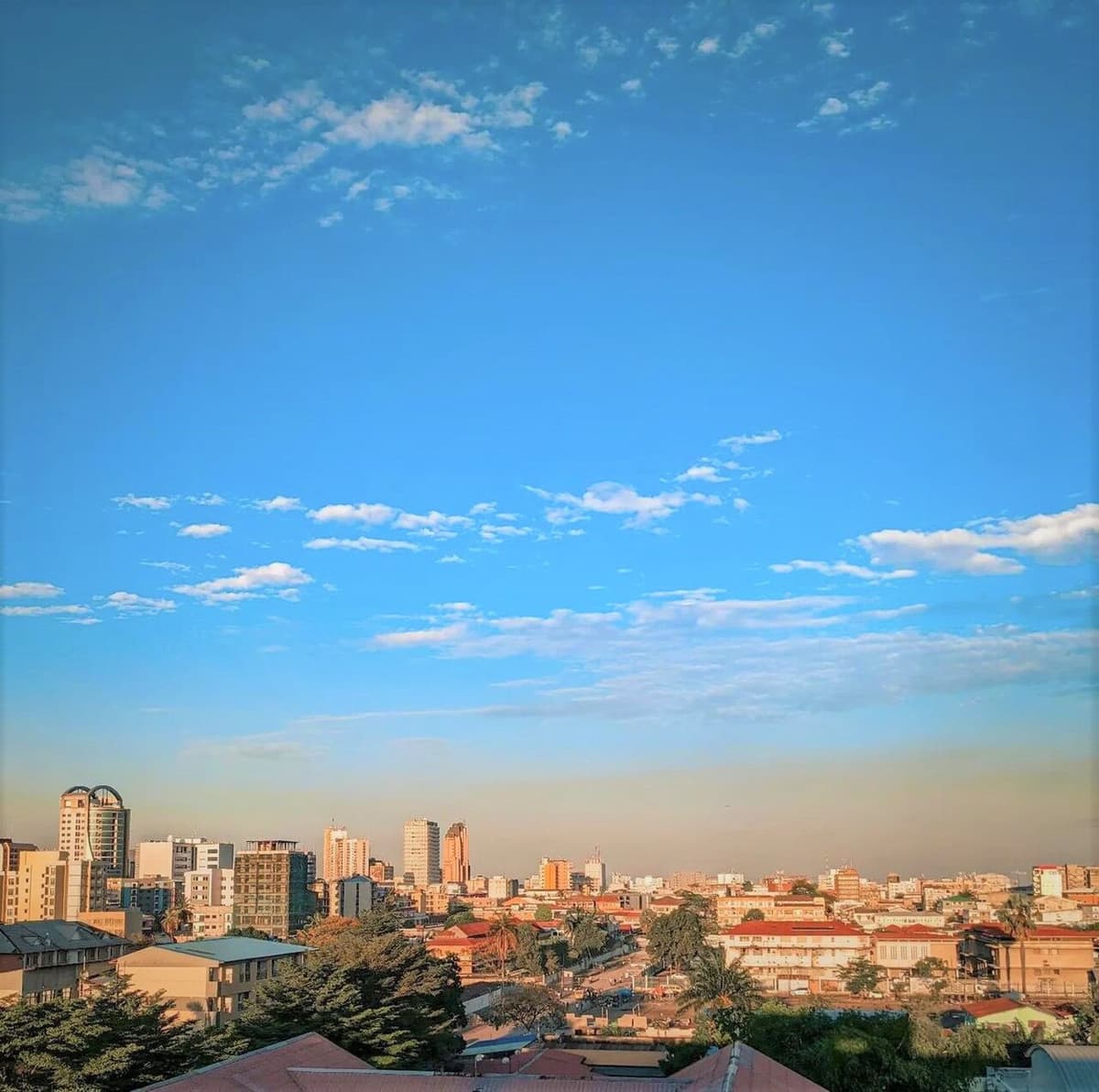
Le Président angolais met en garde contre le risque d'un conflit dans l'est de la RDC s'étendant à la région des Grands Lacs
Kinshasa, le 31 août 2026 - Le Président angolais Joao Lourenco a averti que le conflit de longue date dans l'est de la RDC pourrait avoir des répercussions dans la région des Grands Lacs, ajoutant un poids diplomatique…
Par Amina Kabasele - 3 min de lecture
Politique - 31 août 2026
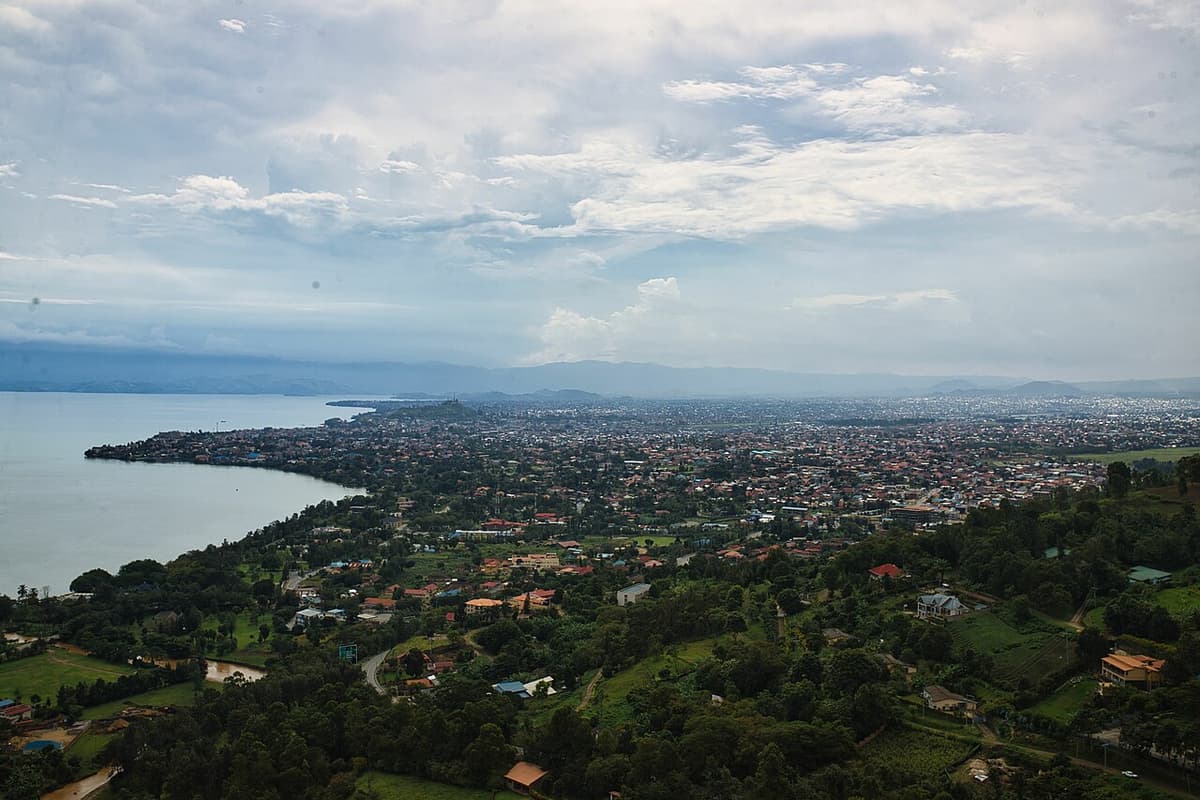
Le Rwanda rejette le cadrage ethnique des remarques du chef militaire ougandais
Kigali, le 31 août 2026 - Le Rwanda a réagi aux remarques sur les réseaux sociaux attribuées au chef des forces de défense de l'Ouganda, le général Muhoozi Kainerugaba, après que la porte-parole du gouvernement, Yolande…
Par Amina Kabasele - 2 min de lecture
Politique - 31 août 2026
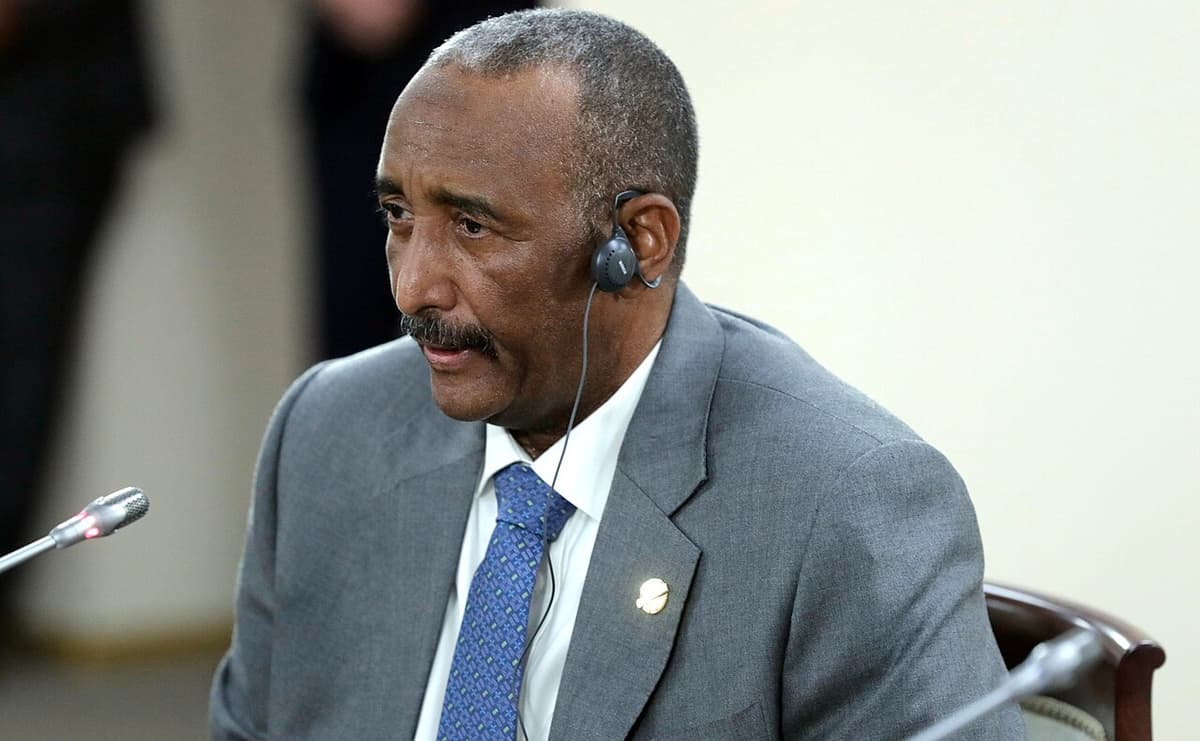
L'Union africaine soutient le plan de dialogue soudanais alors que des blocs civils s'y opposent
Khartoum, le 31 août 2026 - L'Union africaine a approuvé une nouvelle initiative de dialogue soudanais destinée à mettre fin à la guerre civile, mais d'importants groupes civils et politiques ont rejeté cette démarche…
Par Amina Kabasele - 2 min de lecture