
Sécurité - 10 avril 2026
Plus de 850 combattants étrangers soutiennent RSF dans le conflit au Soudan, selon des sources militaires
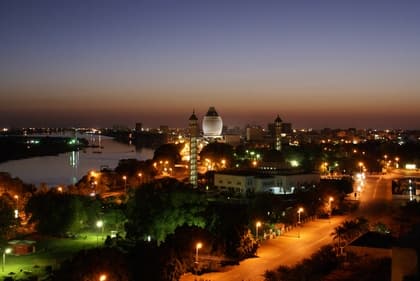
Soudan, le 5 avril 2026 - Plus de 850 ressortissants étrangers combattent aux côtés des Forces de soutien rapide (RSF) soudanaises, selon des sources militaires, soulignant la dimension internationale croissante du conflit en cours dans le pays.
Cette évolution fait suite aux avertissements du Conseil de sécurité des Nations Unies selon lesquels le Soudan sert de plus en plus de « plaque tournante logistique » pour les groupes armés, suscitant des inquiétudes quant à une déstabilisation régionale plus large au Sahel et en Afrique de l’Est.
Des sources indiquent que le contingent étranger comprend à la fois des mercenaires hautement qualifiés - tels que d'anciens soldats et spécialistes techniques - et des combattants irréguliers des pays voisins, dont beaucoup sont mobilisés via les réseaux traditionnels.
Les enquêtes sur les opérations des RSF révèlent une dépendance notable à l’égard du personnel latino-américain pour les fonctions militaires avancées. Des entrepreneurs colombiens seraient impliqués dans l’exploitation de véhicules aériens sans pilote (UAV), la gestion des systèmes d’artillerie et la supervision de la logistique aérienne sur les aérodromes contrôlés par RSF.
Les communications interceptées en espagnol et en portugais ont été citées comme preuve d'une implication étrangère. Un groupe de combattants colombiens, composé semble-t-il d'anciens membres des forces de sécurité, a été identifié dans les rangs de RSF et aurait joué un rôle dans la coordination des opérations de combat.
Les autorités colombiennes ont précédemment confirmé que des dizaines de leurs ressortissants avaient été tués au Soudan en 2025, notamment lors de frappes aériennes ciblant des endroits stratégiques du Darfour.
L’implication étrangère dans les activités de RSF n’est pas nouvelle. Avant le déclenchement de la guerre en avril 2023, des spécialistes russes auraient été intégrés dans des opérations liées à RSF, notamment dans les mines d’or et les infrastructures techniques. Des sources suggèrent que certains entrepreneurs étrangers pourraient encore fournir un soutien opérationnel dans l'ouest du Soudan.
On pense que les mouvements de combattants et d’équipements reposent sur un réseau régional complexe. Les routes passeraient par des villes telles que Bosaso en Somalie et Benghazi en Libye, avant de traverser le Soudan via le Tchad ou la Libye.
Les images satellite de fin 2025 et début 2026 ont montré une activité accrue sur les pistes d’atterrissage isolées du Darfour, avec des vols cargo non identifiés soupçonnés de transporter du personnel et des armes avancées.
L’Organisation internationale pour les migrations a averti que les frontières poreuses du Soudan, en particulier à l’ouest, contribuent à un cycle d’instabilité. Des groupes armés originaires de pays comme le Tchad, le Niger et le Mali utiliseraient les zones contrôlées par RSF comme base de recrutement et de réapprovisionnement avant de retourner dans leurs régions d'origine.
Les analystes estiment que la présence croissante de combattants étrangers risque de compliquer davantage le conflit et de saper les efforts visant à parvenir à une résolution politique.
À lire aussi
Sécurité - 31 août 2026
RDC et Congo-Brazzaville s'efforcent de désamorcer le conflit frontalier sur le fleuve Congo
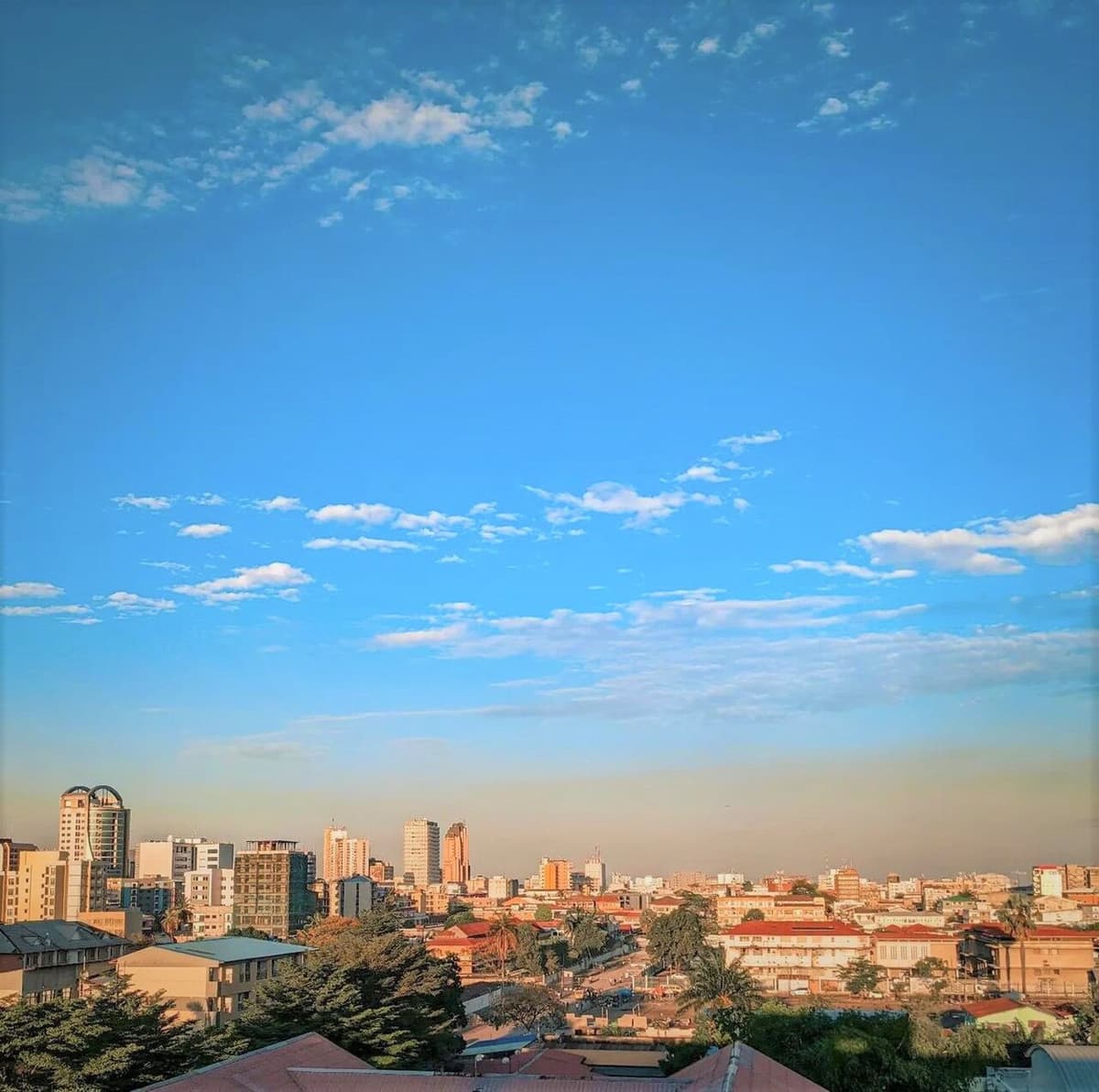
Kinshasa, le 31 août 2026 - La RDC et le Congo-Brazzaville ont agi pour contenir les tensions après un affrontement mortel du 28 août entre les troupes des FARDC et les forces du Congo-Brazzaville sur le fleuve Congo…
Par Amina Kabasele - 3 min de lecture
Sécurité - 31 août 2026
Des villages de Walikale vidés alors que les combats se propagent dans l'est de la RDC
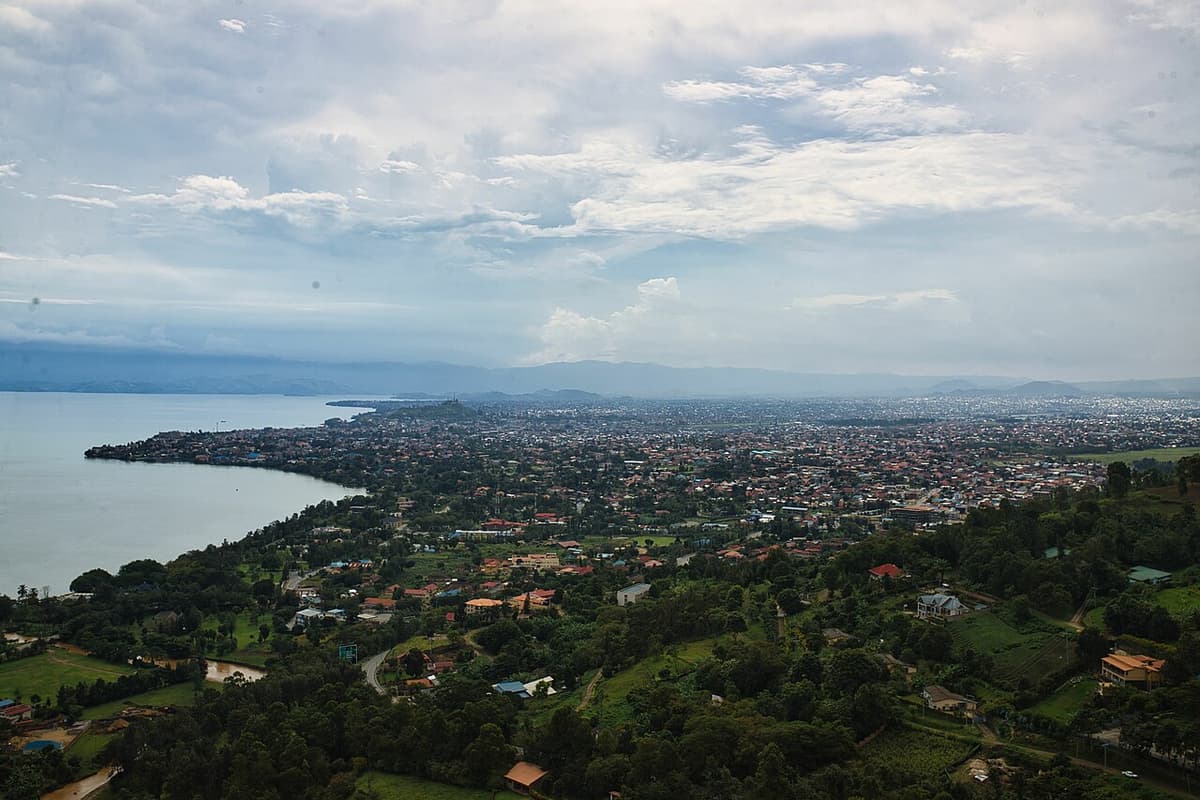
Goma, le 31 août 2026 - Plusieurs villages du groupement Waloa Loanda de Walikale ont été vidés alors que les combats entre l'armée et les forces AFC/M23 se sont étendus des zones voisines de Masisi et Kalehe…
Par Amina Kabasele - 3 min de lecture
Sécurité - 31 août 2026
Le gouvernement affirme que l'armée bloque l'expansion de l'AFC/M23 au Kivu
Kinshasa, le 31 août 2026 - Le gouvernement a déclaré que les FARDC faisaient systématiquement échouer les tentatives de l'AFC/M23 d'occuper de nouveaux territoires dans les Kivus, alors que les combats se poursuivaient…
Par Amina Kabasele - 3 min de lecture