
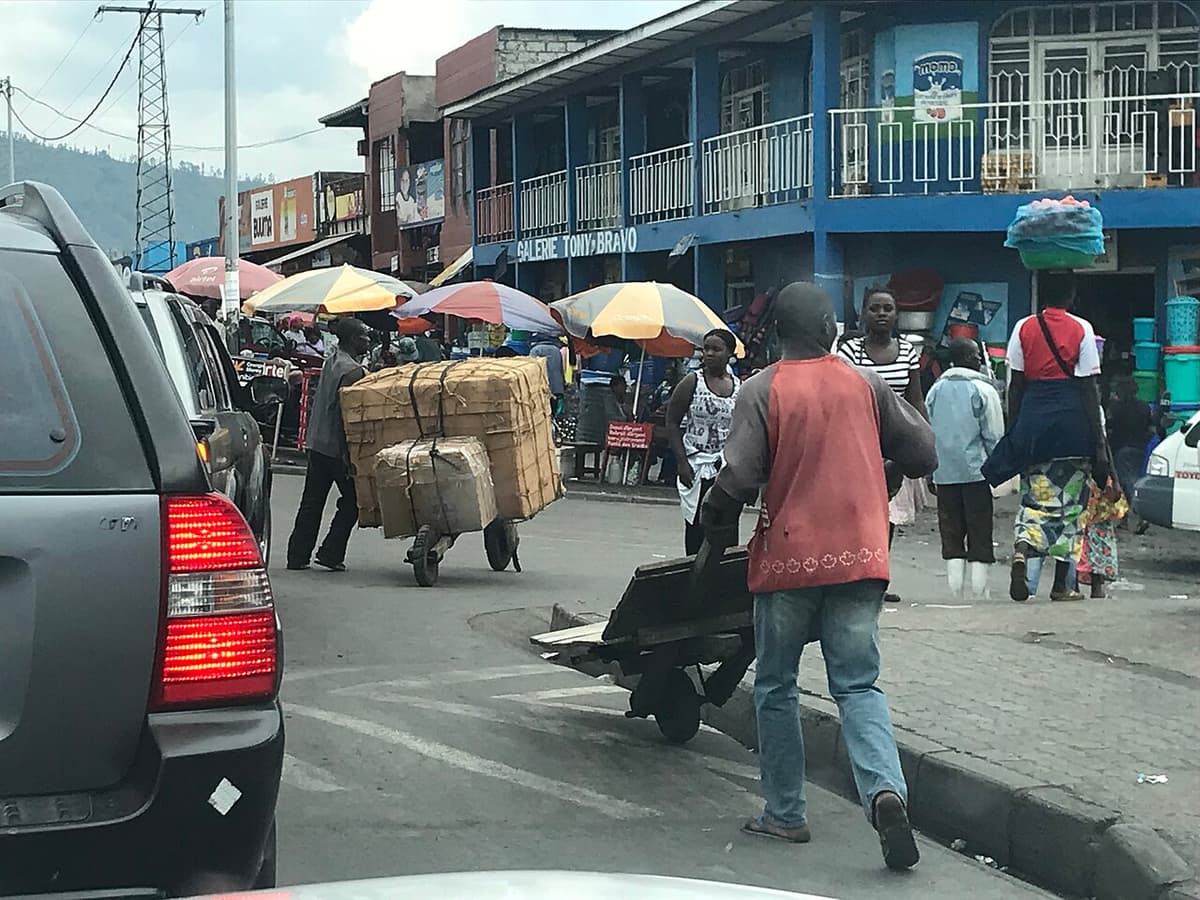
Sécurité - 13 décembre 2025
Kivu Nord : La société civile tire la sonnette d'alarme sur la détérioration de la situation humanitaire dans les zones occupées par l'AFC-M23
Kinshasa, le 13 décembre 2025 - Kivu Nord - La société civile tire la sonnette d'alarme sur la situation humanitaire critique dans les territoires de Masisi et Rutshuru, où les personnes retournant dans les zones contrôlées par l'AFC-M23 vivent dans des conditions extrêmement précaires.
Selon Léopold Mwisha, un activiste local de la société civile, les familles, principalement composées d'agriculteurs et d'éleveurs, souffrent de malnutrition, de manque de soins médicaux et d'abris insuffisants, tandis que leurs activités agricoles et pastorales sont gravement perturbées.
Il appelle à une intervention urgente des autorités et des partenaires humanitaires pour aider ces communautés vulnérables et atténuer les conséquences de l'occupation rebelle.
La période du 1er au 14 décembre 2025 a été marquée par une contradiction frappante et troublante entre l'ambition diplomatique et la réalité sécuritaire dans la région des Grands Lacs.
La signature de l'Accord de paix entre la RDC et le Rwanda à Washington le 4 décembre a suscité des espoirs d'une désescalade durable, en esquissant des engagements pour un cessez-le-feu, la neutralisation des FDLR et le lancement d'initiatives économiques conjointes telles que le projet hydroélectrique Rusizi III.
Pourtant, cette avancée diplomatique a été presque immédiatement compromise par une détérioration rapide de la sécurité dans l'est de la République Démocratique du Congo, en particulier au Sud-Kivu. La capture d'Uvira par l'AFC/M23, accompagnée de combats renouvelés et de déplacements massifs, a révélé la fragilité de l'accord. Kinshasa et Washington ont ouvertement accusé le Rwanda de violer l'accord, alléguant un soutien militaire continu à la rébellion et une escalade des opérations transfrontalières.
Dans le même temps, les deux pays ont poursuivi leurs réformes internes : le Rwanda a avancé des projets d'infrastructure clés, tandis que la RDC a mis l'accent sur la stabilisation économique et la résilience de l'État, citant près de 7,4 milliards de dollars de réserves de change et l'adoption d'un budget national 2026 centré sur la sécurité.
En fin de compte, cette période de deux semaines illustre un paradoxe central : alors que des cadres politiques pour la paix et le développement se dessinent, leur succès reste prisonnier des réalités sur le terrain. L'effondrement rapide du cessez-le-feu souligne que la mise en œuvre des accords, la cessation de la guerre par procuration et la protection des civils demeurent les tests les plus urgents - et les plus fragiles - pour la paix dans la région des Grands Lacs.
À lire aussi
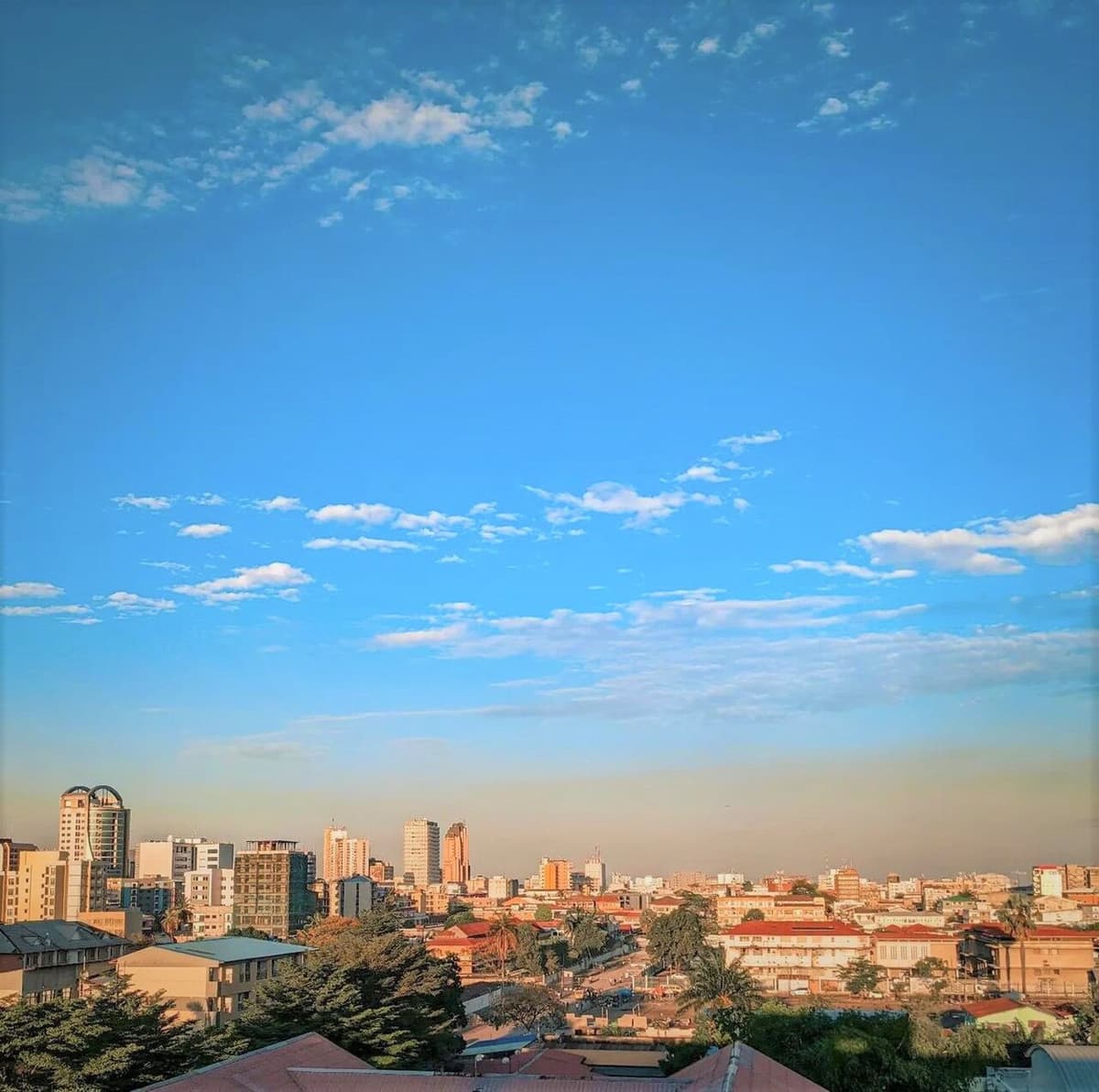
Sécurité - 31 août 2026
RDC et Congo-Brazzaville s'efforcent de désamorcer le conflit frontalier sur le fleuve Congo
Kinshasa, le 31 août 2026 - La RDC et le Congo-Brazzaville ont agi pour contenir les tensions après un affrontement mortel du 28 août entre les troupes des FARDC et les forces du Congo-Brazzaville sur le fleuve Congo…
Par Amina Kabasele - 3 min de lecture
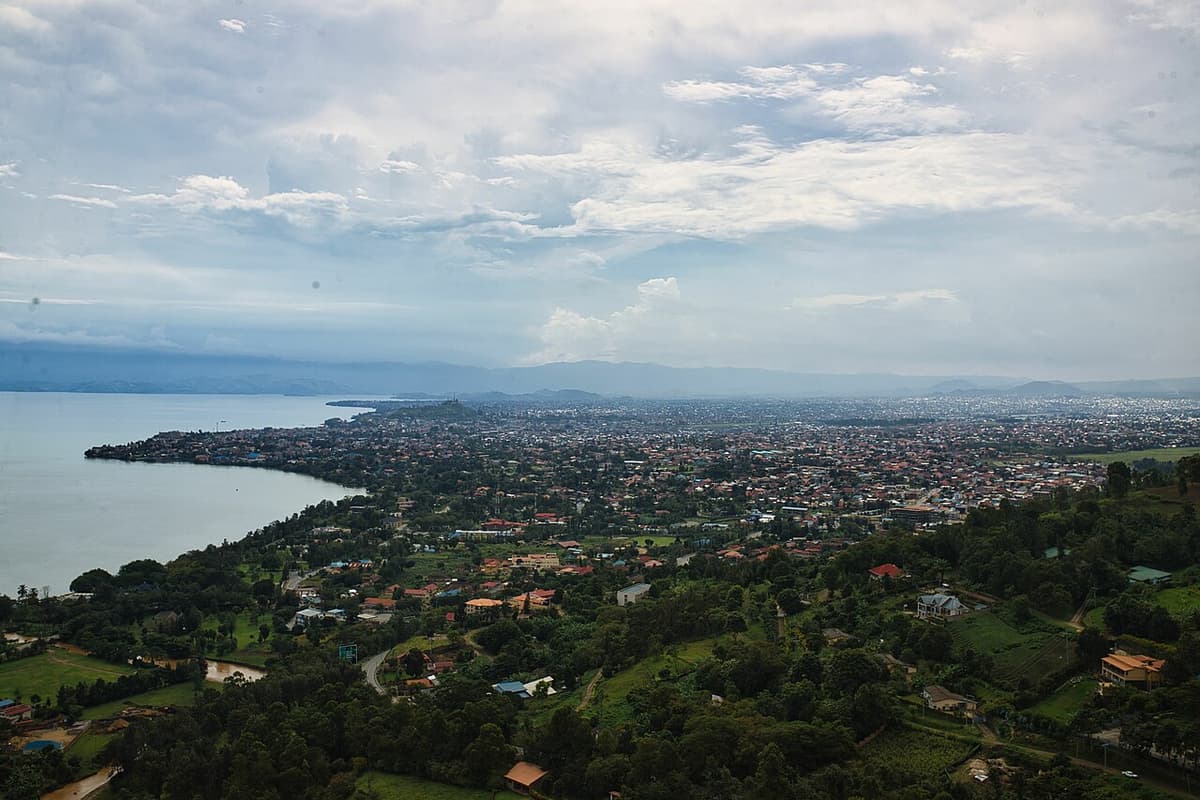
Sécurité - 31 août 2026
Des villages de Walikale vidés alors que les combats se propagent dans l'est de la RDC
Goma, le 31 août 2026 - Plusieurs villages du groupement Waloa Loanda de Walikale ont été vidés alors que les combats entre l'armée et les forces AFC/M23 se sont étendus des zones voisines de Masisi et Kalehe…
Par Amina Kabasele - 3 min de lecture
Sécurité - 31 août 2026
Le gouvernement affirme que l'armée bloque l'expansion de l'AFC/M23 au Kivu
Kinshasa, le 31 août 2026 - Le gouvernement a déclaré que les FARDC faisaient systématiquement échouer les tentatives de l'AFC/M23 d'occuper de nouveaux territoires dans les Kivus, alors que les combats se poursuivaient…
Par Amina Kabasele - 3 min de lecture