
Sécurité - 6 décembre 2025
Mise à jour sur la sécurité au Niger : le MPLJ revendique la destruction du site pétrolier d'Agadem-Dibella
Niamey, le 6 décembre 2025 - Le MPLJ (Mouvement Patriotique pour la Liberté et la Justice) revendique la destruction du site pétrolier d'Agadem-Dibella
Le 6 décembre 2025 - Une unité du MPLJ a annoncé avoir mené une attaque contre le site pétrolier d'Agadem-Dibella, affirmant que l'installation avait été complètement détruite lors de l'opération du 6 décembre 2025.
Le mouvement a déclaré que ses actions se poursuivraient et pourraient s'intensifier jusqu'à ce que ses revendications, qu'il considère comme légitimes, soient satisfaites.
La période du 24 novembre au 7 décembre 2025 marque un tournant critique pour le Niger alors que le gouvernement de transition tente d'équilibrer une quête agressive de souveraineté stratégique dans un contexte de détérioration de la sécurité et de tensions socio-politiques internes.
- Réalignement stratégique et souveraineté institutionnelle
Le gouvernement a accéléré son éloignement de l'influence occidentale traditionnelle, consolidant l'Alliance des États du Sahel (AES) comme son principal ancrage géopolitique. Cela se manifeste par la création de "Radio Confédération ESA" pour contrer les narrations externes et le renforcement des liens avec des partenaires non traditionnels comme l'Iran, la Chine et l'Italie pour la coopération dans les domaines de l'énergie, de la sécurité et de l'éducation. Parallèlement, la réactivation du Cadre de Consultation sur la Décentralisation signale une tentative de renforcer la gouvernance locale et de réduire la dépendance à la bureaucratie centrale.
- Nationalisme des ressources et résilience économique
La politique économique est de plus en plus définie par le nationalisme des ressources, notamment en ce qui concerne l'uranium. Le gouvernement a affirmé un contrôle total sur les exportations, défiant l'arbitrage international et les avertissements de la société française Orano. Le mouvement des convois d'uranium sous escorte de mercenaires russes et l'initiation d'actions en justice contre Orano pour dommages environnementaux marquent une rupture décisive avec les partenariats miniers passés. De plus, le gouvernement priorise la sécurité alimentaire à travers la réhabilitation à grande échelle de l'irrigation et réglemente strictement les marchés de l'énergie domestique pour freiner les pratiques informelles.
- Le paradoxe de la sécurité
Malgré la posture affirmée du gouvernement, la situation sécuritaire reste hautement volatile et s'aggrave probablement dans certains secteurs :
Expansion du terrorisme : Les groupes jihadistes (JNIM et ISIS) s'approchent de la capitale, avec des attaques se produisant à seulement 30 kilomètres de Niamey. Les assassinats ciblés de responsables scolaires et de chefs de village à Tillabéri sapent la présence de l'État.
Menaces sur les infrastructures : L'émergence du MPLJ et sa revendication de destruction du site pétrolier d'Agadem-Dibella introduisent une nouvelle menace pour la ligne de vie économique de l'État.
L'anarchie dans le Nord : À Agadez, l'intersection de l'exploitation aurifère, des tensions ethniques et de la criminalité a conduit à des enlèvements et à des violences de représailles, exposant les lacunes dans le contrôle de l'État.
- Droits de l'homme et libertés civiles
La consolidation du pouvoir a coïncidé avec une restriction des libertés civiles. Alors que l'État avance dans le bien-être social à travers l'enregistrement universel des naissances et des campagnes contre la violence basée sur le genre, l'espace politique se rétrécit. La détention prolongée de l'ancien président Bazoum, l'emprisonnement de figures de la société civile comme Moussa Tchangari, et la condamnation de journalistes sous des lois de sécurité nationale reflètent un modèle de gouvernance qui confond de plus en plus dissidence et trahison.
En résumé, le Niger trace agressivement un nouveau chemin défini par la souveraineté et l'autonomie, mais cette transition est semée de périls. La capacité du gouvernement à maintenir le soutien public dépendra probablement de sa capacité à faire en sorte que ses pivots diplomatiques et économiques puissent apporter des améliorations tangibles en matière de sécurité avant que la violence croissante ne déstabilise la capitale ou ne paralyse l'économie.
À lire aussi
Sécurité - 31 août 2026
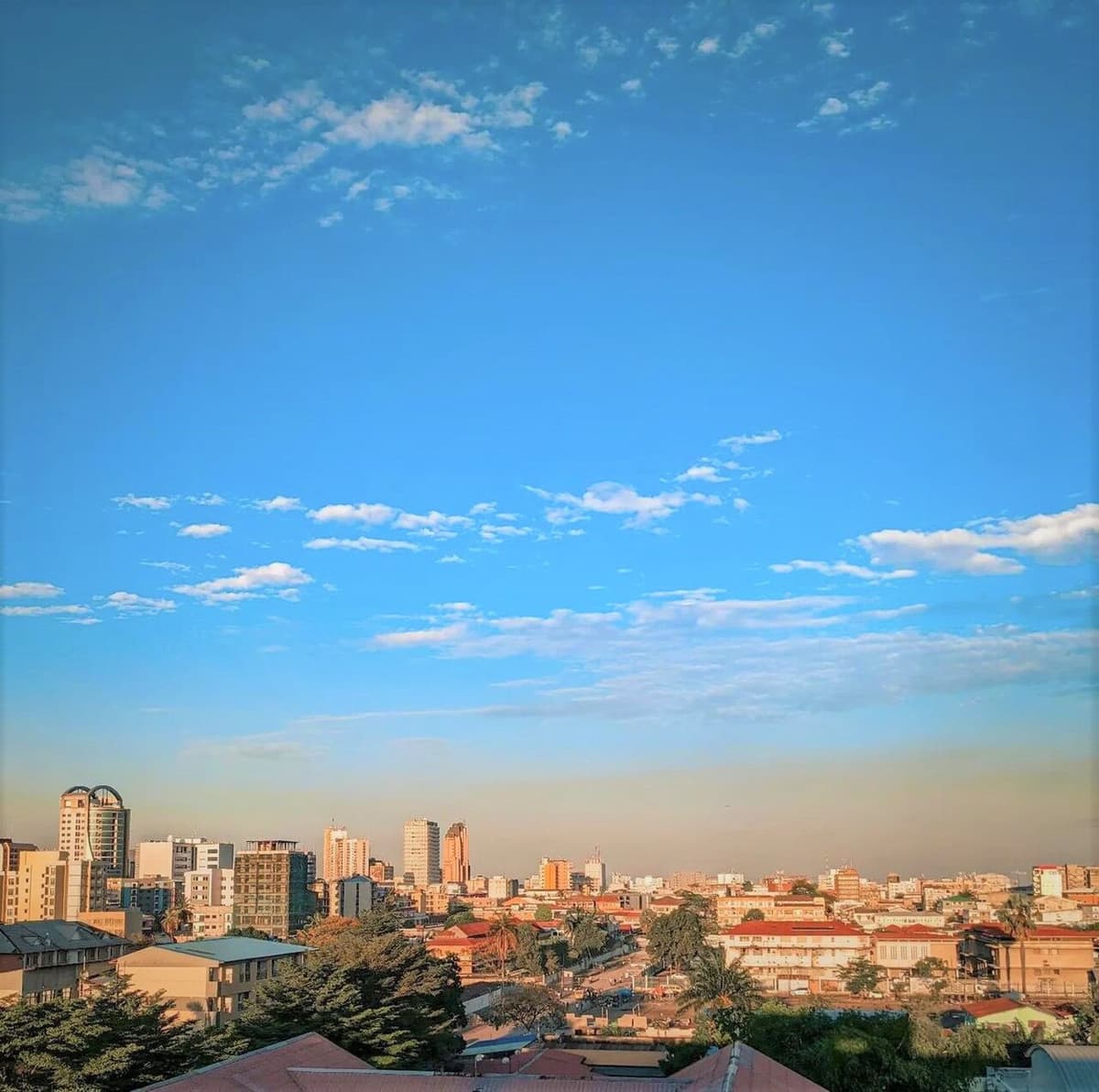
RDC et Congo-Brazzaville s'efforcent de désamorcer le conflit frontalier sur le fleuve Congo
Kinshasa, le 31 août 2026 - La RDC et le Congo-Brazzaville ont agi pour contenir les tensions après un affrontement mortel du 28 août entre les troupes des FARDC et les forces du Congo-Brazzaville sur le fleuve Congo…
Par Amina Kabasele - 3 min de lecture
Sécurité - 31 août 2026
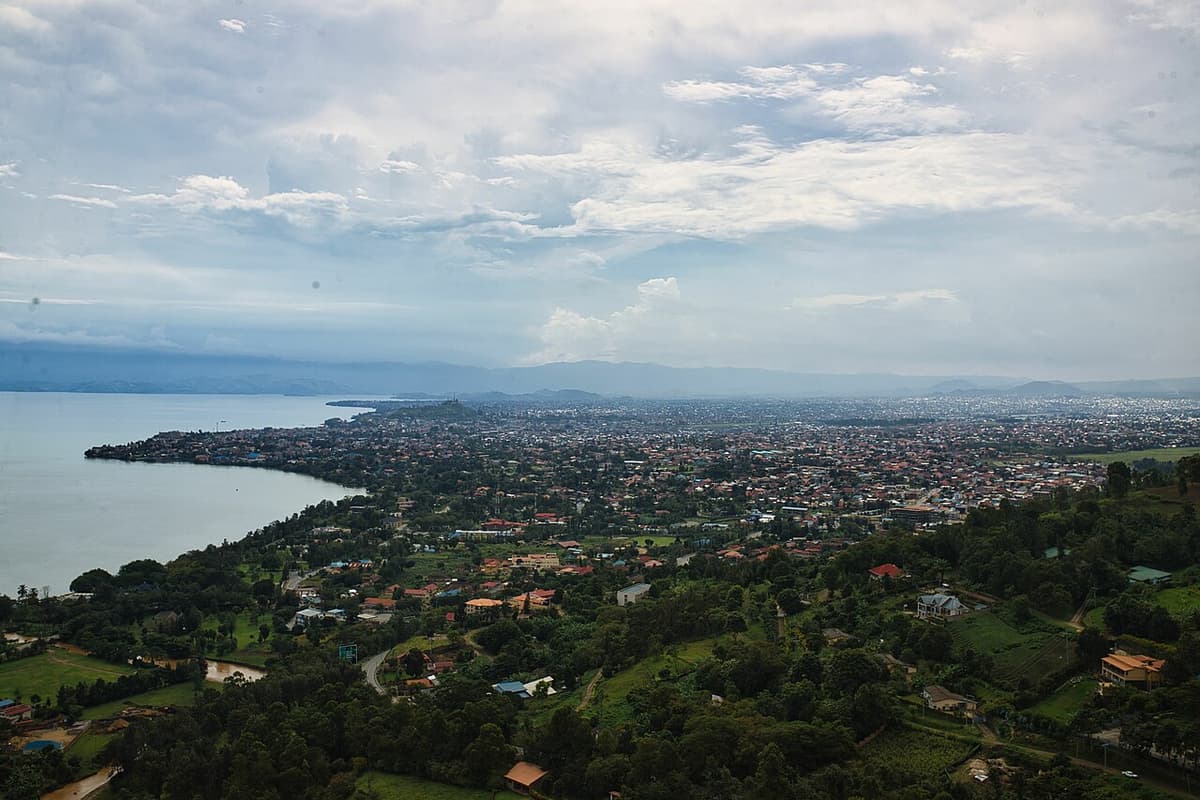
Des villages de Walikale vidés alors que les combats se propagent dans l'est de la RDC
Goma, le 31 août 2026 - Plusieurs villages du groupement Waloa Loanda de Walikale ont été vidés alors que les combats entre l'armée et les forces AFC/M23 se sont étendus des zones voisines de Masisi et Kalehe…
Par Amina Kabasele - 3 min de lecture
Sécurité - 31 août 2026
Le gouvernement affirme que l'armée bloque l'expansion de l'AFC/M23 au Kivu
Kinshasa, le 31 août 2026 - Le gouvernement a déclaré que les FARDC faisaient systématiquement échouer les tentatives de l'AFC/M23 d'occuper de nouveaux territoires dans les Kivus, alors que les combats se poursuivaient…
Par Amina Kabasele - 3 min de lecture