
Politique - 22 février 2026
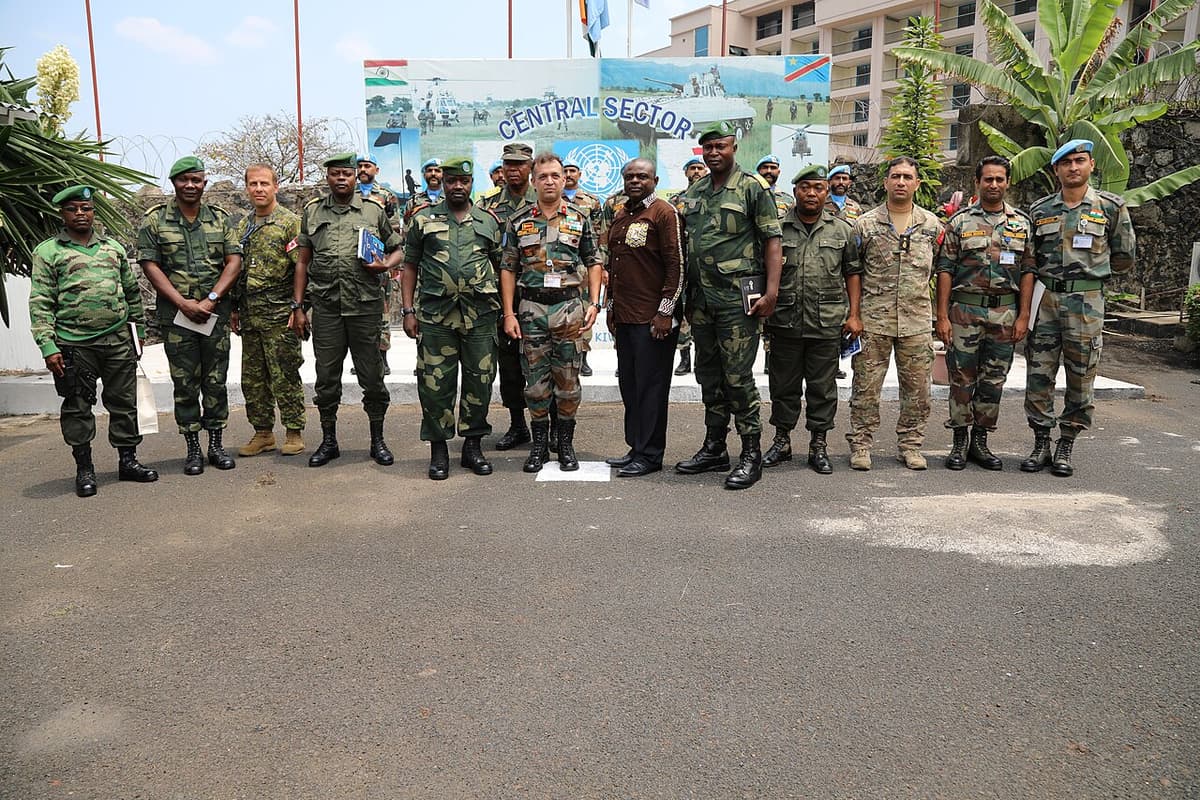
Nduhungirehe critique un journaliste sur une interview concernant le Rwanda
Kigali, le 17 février 2026 - Le ministre rwandais des Affaires étrangères et de la Coopération internationale, Amb. Olivier Nduhungirehe, a critiqué ce qu'il a décrit comme un biais dans une interview réalisée par un journaliste de France 24 avec Massad Boulos, conseiller principal du président des États-Unis pour les affaires africaines.
S'exprimant le 17 février 2026, Nduhungirehe a réagi à une interview publiée sur les réseaux sociaux dans laquelle Marc Perelman de France 24 interrogeait Boulos sur des questions concernant le Rwanda et la République démocratique du Congo (RDC).
"Vous vous souviendrez de me dire comment je me sens lorsqu'il y a une interview impartiale d'un journaliste de France 24. Je ne suis pas intéressé par la manière dont les journalistes ou les évaluateurs essaient de se présenter, qui pensent toujours au Rwanda," a déclaré Nduhungirehe.
Débat sur l'accord de paix de Washington
Ces remarques interviennent dans un contexte de débat renouvelé sur l'accord de paix de Washington signé le 4 décembre 2025 entre le Rwanda et la République démocratique du Congo, avec la facilitation des États-Unis. L'accord a renforcé un précédent accord conclu le 27 juin 2025, mais les tensions ont persisté depuis sa signature.
Lors de l'interview du 16 février, Perelman a demandé à Boulos si l'accord avait échoué à produire des résultats tangibles. Boulos a répondu que l'accord marquait le début d'un processus plus long vers la stabilité régionale.
"Depuis le début, nous avons dit que l'accord de paix de Washington n'est pas la fin mais le début. Finalement, il y aura une paix et une sécurité complètes dans la région. Mais c'est un parcours qui prendra du temps," a déclaré Boulos.
Il a ajouté que la force de l'accord réside dans son approche multi-pistes pour aborder différents aspects du conflit. Selon Boulos, l'accord de Washington - qui se concentre spécifiquement sur les relations entre le Rwanda et la RDC - sera complété par le processus de Doha, qui vise à faciliter le dialogue entre le gouvernement congolais et la rébellion AFC/M23, avec le soutien des États-Unis et de l'Union africaine.
Tensions après la capture d'Uvira
L'accord de paix a été mis à l'épreuve après que des combattants de l'AFC/M23 ont capturé la ville d'Uvira le 9 décembre 2025. Suite à cette prise de contrôle, le gouvernement congolais a accusé le Rwanda de violer l'accord de Washington et a appelé Washington à imposer des sanctions.
Lorsqu'on lui a demandé si les États-Unis avaient toujours confiance en le président Paul Kagame, Boulos a répondu : "Nous croyons que oui. Nous discutons."
Allégations de questions sélectives
Les responsables rwandais soutiennent que l'interview visait à dépeindre le Rwanda comme la principale source d'instabilité dans l'est de la RDC, et que le journaliste a pressé Boulos sur d'éventuelles sanctions contre Kigali tout en s'abstenant d'aborder d'autres questions litigieuses.
Parmi celles-ci figure la présence des FDLR (Forces démocratiques de libération du Rwanda), un groupe armé opérant dans l'est de la RDC. Le gouvernement congolais a maintenu que le démantèlement du groupe est compliqué car de nombreux combattants seraient dans des zones contrôlées par l'AFC/M23.
Cependant, le ministre Nduhungirehe a récemment réitéré la position du Rwanda selon laquelle de nombreux combattants des FDLR ont été intégrés dans l'armée congolaise et opèrent dans des zones contrôlées par le gouvernement.
Les derniers échanges mettent en lumière les tensions diplomatiques persistantes entourant la mise en œuvre de l'accord de paix de Washington, alors que les acteurs régionaux et internationaux poursuivent leurs efforts pour stabiliser l'est de la RDC.
À lire aussi
Politique - 31 août 2026
Le Président angolais met en garde contre le risque d'un conflit dans l'est de la RDC s'étendant à la région des Grands Lacs
Kinshasa, le 31 août 2026 - Le Président angolais Joao Lourenco a averti que le conflit de longue date dans l'est de la RDC pourrait avoir des répercussions dans la région des Grands Lacs, ajoutant un poids diplomatique…
Par Amina Kabasele - 3 min de lecture
Politique - 31 août 2026
Le Rwanda rejette le cadrage ethnique des remarques du chef militaire ougandais
Kigali, le 31 août 2026 - Le Rwanda a réagi aux remarques sur les réseaux sociaux attribuées au chef des forces de défense de l'Ouganda, le général Muhoozi Kainerugaba, après que la porte-parole du gouvernement, Yolande…
Par Amina Kabasele - 2 min de lecture
Politique - 31 août 2026
L'Union africaine soutient le plan de dialogue soudanais alors que des blocs civils s'y opposent
Khartoum, le 31 août 2026 - L'Union africaine a approuvé une nouvelle initiative de dialogue soudanais destinée à mettre fin à la guerre civile, mais d'importants groupes civils et politiques ont rejeté cette démarche…
Par Amina Kabasele - 2 min de lecture