

Politique - 2 décembre 2025
Nduhungirehe remet en question les affirmations selon lesquelles les FDLR seraient « morts » et interroge l'engagement de la RDC
Kigali, le 2 décembre 2025 - Kigali / Washington - Le ministre rwandais des Affaires étrangères et de la Coopération internationale, l'ambassadeur Olivier Nduhungirehe, a contesté les affirmations selon lesquelles le groupe terroriste FDLR n'existerait plus, arguant que de telles assertions contredisent les engagements de la République Démocratique du Congo dans le cadre d'un accord de paix récemment signé entre le Rwanda et la RDC.
Nduhungirehe a réagi aux remarques de Gérard Araud, ancien ambassadeur de France aux Nations Unies et aux États-Unis, qui a suggéré que les FDLR avaient effectivement cessé d'exister. Araud, qui a précédemment travaillé au ministère français des Affaires étrangères sur des questions de sécurité durant la présidence de François Mitterrand, a fait ces commentaires au milieu d'un débat renouvelé sur la sécurité dans l'est de la RDC.
Le 7 novembre 2025, Araud a publié sur X en accusant le Rwanda d'utiliser le mouvement M23 comme un outil pour piller les ressources naturelles de l'est du Congo. En réponse, Nduhungirehe a rejeté cette affirmation, insistant sur le fait que l'AFC/M23 n'est pas un outil rwandais, mais plutôt un mouvement congolais défendant les Congolais parlant kinyarwanda, qui, selon lui, ont été marginalisés et persécutés depuis l'indépendance.
Le ministre a rappelé que la persécution des communautés parlant kinyarwanda, en particulier des Tutsi, s'est intensifiée en juillet 1994, lorsque des membres des ex-FAR et des milices Interahamwe vaincues ont fui vers l'est du Congo après le génocide contre les Tutsi. Il a noté que ces forces avaient été évacuées dans le cadre de l'opération Turquoise de la France et n'avaient pas été désarmées, posant ainsi les bases d'une insécurité persistante dans la région.
Concernant les allégations de pillage des ressources, Nduhungirehe a déclaré que le Rwanda accuse depuis longtemps la RDC d'exploiter ses propres ressources naturelles, y compris les soi-disant minéraux « 3T » - étain, tantale et tungstène. Il a soutenu que les deux pays se trouvent sur les mêmes formations géologiques, une réalité documentée dans des cartes de l'époque coloniale, et a souligné que le secteur de l'extraction en RDC est largement dominé par des entreprises occidentales et asiatiques. "Vous ne trouverez pas d'entreprise rwandaise parmi les 100 premières sociétés extrayant des minéraux précieux de la RDC, même en période de guerre," a-t-il déclaré.
Araud a également allégué que des troupes rwandaises étaient entrées sur le territoire de la RDC, une affirmation que Nduhungirehe a niée, déclarant que le Rwanda avait plutôt mis en œuvre des mesures de sécurité aux frontières pour prévenir les attaques des FDLR. "Ces mesures ne visent pas à soutenir l'AFC/M23, qui n'en a pas besoin," a-t-il dit, "mais à protéger le Rwanda contre des attaques répétées de groupes génocidaires FDLR, qui sont soutenus par Kinshasa."
Malgré ces explications, Araud a maintenu que les FDLR n'étaient plus actifs, décrivant ses membres comme soit morts, soit à la retraite. Nduhungirehe a rejeté cet argument, faisant référence à l'accord de paix de Washington du 27 juin 2025, signé par le Rwanda et la RDC avec le soutien des États-Unis.
Selon cet accord, le gouvernement de la RDC s'est engagé à démanteler les FDLR, tandis que le Rwanda a accepté de lever ses mesures de sécurité une fois la menace neutralisée. L'accord prévoit également une coopération sur le rapatriement des réfugiés entre les deux pays.
"Si les 'génocidaires FDLR sont morts ou à la retraite,'" a demandé Nduhungirehe, "pourquoi le gouvernement de la RDC a-t-il accepté de les détruire ?" Il a également fait référence aux CONOPS et OPORDs - plans opérationnels supervisés par les États-Unis - qui décrivent étape par étape les phases de démantèlement du groupe, de l'identification des bases au désarmement, à la capture et à la réintégration.
Le ministre des Affaires étrangères a conclu que les FDLR restent une organisation active, ancrée dans une idéologie génocidaire, et a averti qu'après 31 ans depuis que ses combattants ont fui vers la RDC, le groupe continue de recruter de nouveaux membres, posant une menace persistante à la stabilité régionale.
À lire aussi

Politique - 31 août 2026
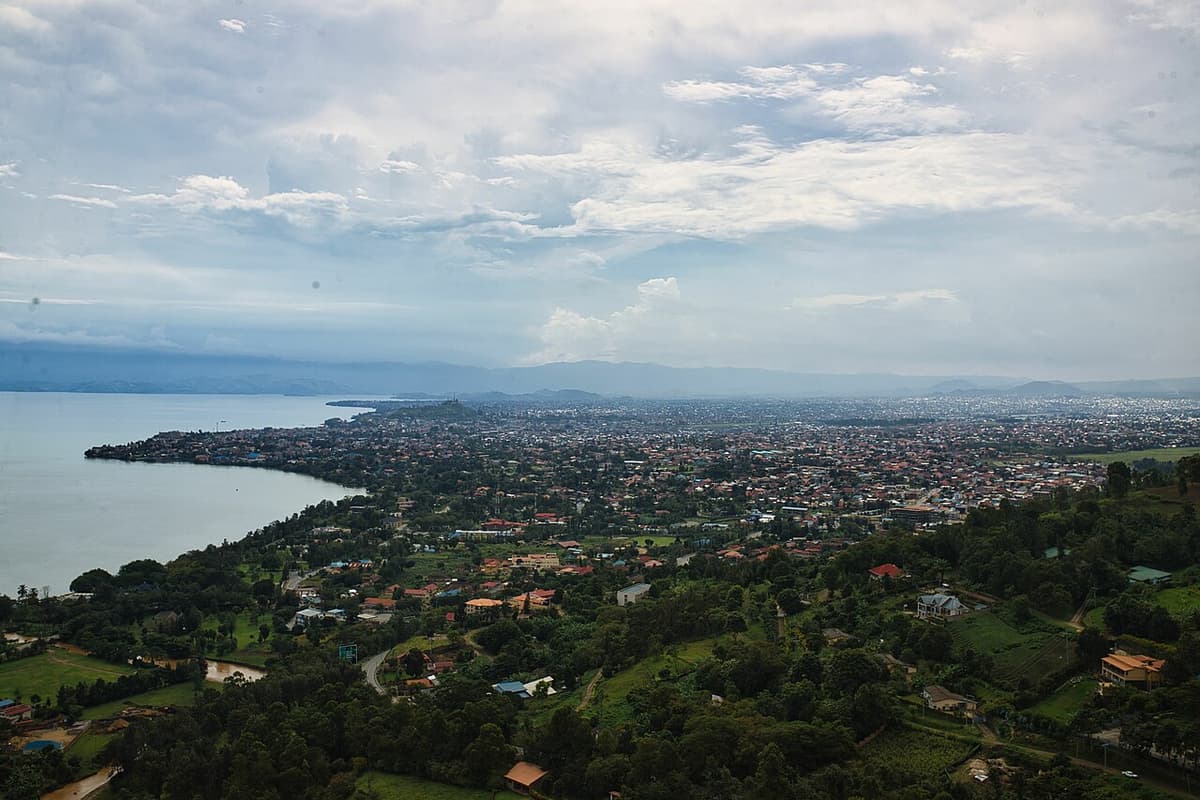
Le Président angolais met en garde contre le risque d'un conflit dans l'est de la RDC s'étendant à la région des Grands Lacs
Kinshasa, le 31 août 2026 - Le Président angolais Joao Lourenco a averti que le conflit de longue date dans l'est de la RDC pourrait avoir des répercussions dans la région des Grands Lacs, ajoutant un poids diplomatique…
Par Amina Kabasele - 3 min de lecture
Politique - 31 août 2026
Le Rwanda rejette le cadrage ethnique des remarques du chef militaire ougandais
Kigali, le 31 août 2026 - Le Rwanda a réagi aux remarques sur les réseaux sociaux attribuées au chef des forces de défense de l'Ouganda, le général Muhoozi Kainerugaba, après que la porte-parole du gouvernement, Yolande…
Par Amina Kabasele - 2 min de lecture
Politique - 31 août 2026
L'Union africaine soutient le plan de dialogue soudanais alors que des blocs civils s'y opposent
Khartoum, le 31 août 2026 - L'Union africaine a approuvé une nouvelle initiative de dialogue soudanais destinée à mettre fin à la guerre civile, mais d'importants groupes civils et politiques ont rejeté cette démarche…
Par Amina Kabasele - 2 min de lecture