
Sécurité - 8 mars 2026
Museveni rejette les bases militaires américaines et britanniques en Ouganda
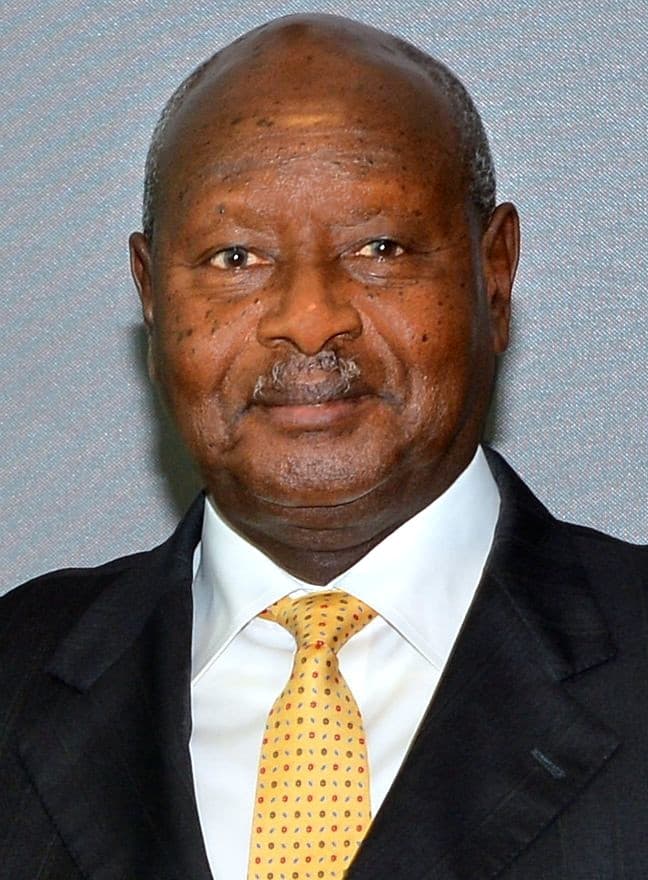
Le 5 mars 2026, le président ougandais Yoweri Kaguta Museveni a déclaré qu'il rejetait les propositions des États-Unis et du Royaume-Uni visant à établir des bases militaires en Ouganda, malgré les offres de renforcement de la coopération militaire.
Museveni a expliqué que l’armée ougandaise est déjà bien bâtie et capable de défendre le pays de manière indépendante. Il a fait référence à l’histoire militaire de l’Ouganda, soulignant le succès de l’armée dans la défaite des forces de Milton Obote en 1986, comme fondement de l’autonomie.
"Des troupes étrangères ? Quoi ? Nous pouvons nous défendre, nous n'avons pas besoin de l'aide des autres. Si nous voulons savoir, nous pouvons venir, apprendre et revenir", a déclaré Museveni.
Il a également souligné ses inquiétudes quant à la responsabilité juridique, notant que les accords dans d'autres pays exigent souvent que les soldats étrangers accusés de crimes soient jugés dans leur pays d'origine, ce qu'il n'accepterait pas pour les Ougandais.
Cette annonce intervient au milieu des attaques iraniennes contre des bases militaires américaines au Moyen-Orient, révélant la vulnérabilité des pays abritant des bases étrangères. Museveni a souligné que la sécurité dans les pays d'Afrique de l'Ouest dotés de bases étrangères comme le Niger, le Burkina Faso et le Mali s'est améliorée, mais que l'Ouganda préfère l'autonomie et le contrôle national sur les questions militaires.
Actuellement, les États-Unis maintiennent des bases dans des pays africains, notamment à Djibouti, en Somalie, au Cameroun, aux Seychelles et au Kenya, tandis que le Royaume-Uni possède une base à Nanyuki, dans la région de Laikipia.
Cette décision renforce la position de l’Ouganda en matière de souveraineté et de capacités de défense indépendantes.
À lire aussi
Sécurité - 31 août 2026
RDC et Congo-Brazzaville s'efforcent de désamorcer le conflit frontalier sur le fleuve Congo
Kinshasa, le 31 août 2026 - La RDC et le Congo-Brazzaville ont agi pour contenir les tensions après un affrontement mortel du 28 août entre les troupes des FARDC et les forces du Congo-Brazzaville sur le fleuve Congo…
Par Amina Kabasele - 3 min de lecture
Sécurité - 31 août 2026
Des villages de Walikale vidés alors que les combats se propagent dans l'est de la RDC
Goma, le 31 août 2026 - Plusieurs villages du groupement Waloa Loanda de Walikale ont été vidés alors que les combats entre l'armée et les forces AFC/M23 se sont étendus des zones voisines de Masisi et Kalehe…
Par Amina Kabasele - 3 min de lecture
Sécurité - 31 août 2026
Le gouvernement affirme que l'armée bloque l'expansion de l'AFC/M23 au Kivu
Kinshasa, le 31 août 2026 - Le gouvernement a déclaré que les FARDC faisaient systématiquement échouer les tentatives de l'AFC/M23 d'occuper de nouveaux territoires dans les Kivus, alors que les combats se poursuivaient…
Par Amina Kabasele - 3 min de lecture