
Culture - 8 mars 2026
Plus de 26 000 enfants réfugiés intégrés dans le système éducatif national
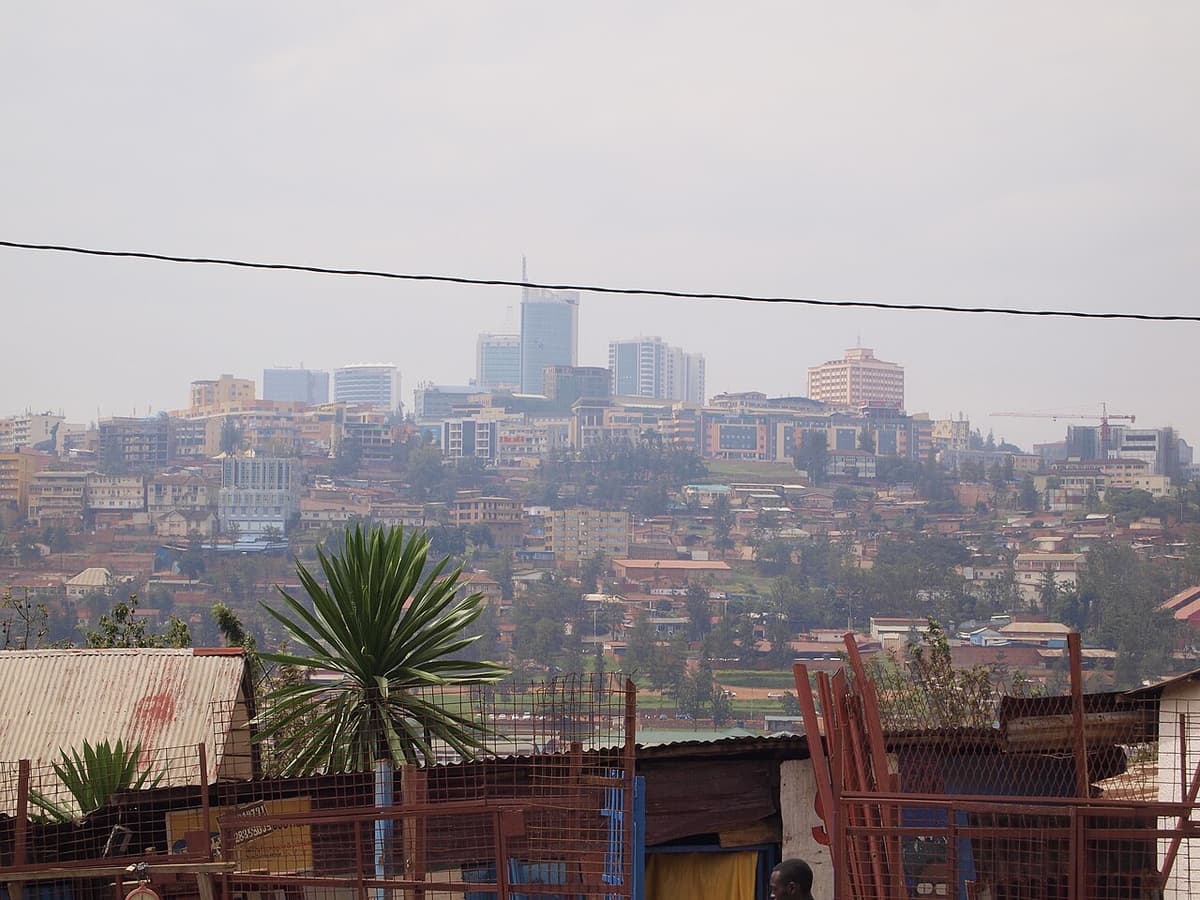
KIREHE, le 23 février 2026 - Plus de 26 000 enfants réfugiés vivant dans le camp de Mahama, dans le district de Kirehe, sont actuellement inscrits dans le système éducatif rwandais et bénéficient d'un accès à l'enseignement primaire, secondaire et professionnel dans le cadre de la politique plus large d'intégration des réfugiés du pays.
Le camp de Mahama, le plus grand camp de réfugiés au Rwanda, accueille environ 72 340 réfugiés originaires de 14 pays, dont la majorité est originaire de la République démocratique du Congo et du Burundi. Parmi eux, plus de 26 000 élèves fréquentent des écoles de différents niveaux d’enseignement.
Les familles de réfugiés du camp bénéficient de conditions de vie améliorées, notamment d’infrastructures de base, de distribution de gaz de cuisine et d’accès aux services publics, tandis que les enfants fréquentent les écoles publiques voisines et les établissements de formation technique et professionnelle.
Investissement dans l'enseignement professionnel
Dans le cadre du projet Jyambere, les autorités ont investi massivement dans les infrastructures de formation professionnelle pour soutenir l'éducation des réfugiés dans le district de Kirehe. Deux grandes écoles secondaires techniques ont été construites pour élargir les opportunités offertes aux jeunes réfugiés.
Le Lycée Technique de Musaza (TSS) a reçu un financement de plus de 2 milliards de francs rwandais, y compris des équipements modernes, tandis que le TSS de Bukora a bénéficié d'investissements dépassant 3,5 milliards de francs rwandais.
Ces établissements proposent des formations dans des domaines tels que l'électrotechnique, la couture et d'autres professions techniques, préparant les étudiants à un emploi ou à des études complémentaires.
Les étudiants réfugiés saisissent les opportunités
De nombreux étudiants réfugiés affirment que l’accès à l’éducation leur a permis d’acquérir des compétences et de planifier un avenir meilleur.
Un étudiant de 18 ans étudiant l'ingénierie électrique à Musaza TSS a expliqué que grandir au Rwanda lui a permis de poursuivre ses études sans interruption ni discrimination. Il s'est dit convaincu que ses compétences techniques l'aideraient à trouver un emploi ou à poursuivre ses études universitaires après l'obtention de son diplôme.
Une autre étudiante inscrite à une formation de couture a souligné l'égalité de traitement entre les étudiants réfugiés et locaux, notant qu'elle espère utiliser son éducation pour aider sa famille à surmonter la pauvreté.
Égalité d’accès aux services publics
Les autorités locales soulignent que les réfugiés du camp de Mahama bénéficient d’un accès égal à l’éducation, aux soins de santé et aux services économiques conformément aux réglementations nationales.
Les responsables affirment que l’intégration des réfugiés dans les services publics améliore non seulement le niveau de vie, mais contribue également au développement local, dans la mesure où les réfugiés apportent des compétences précieuses et un potentiel économique aux communautés d’accueil.
Développement des infrastructures
Au cours des sept dernières années, le projet Jyambere a soutenu le développement des infrastructures dans six districts accueillant des réfugiés, notamment Gisagara, Nyamagabe, Karongi, Gicumbi, Gatsibo et Kirehe.
Rien qu’à Kirehe, le projet a :
Construction des TSS de Musaza et de Bukora
Construction d'un bâtiment de deux étages à l'hôpital de Kirehe
Début de la rénovation du centre de santé de Nyarubuye en hôpital de district
Installations améliorées au service des réfugiés et des communautés d’accueil
Nombre croissant d’étudiants réfugiés
Des données récentes sur l’éducation montrent une augmentation constante du nombre d’élèves réfugiés inscrits dans les écoles rwandaises.
Au cours de l’année universitaire 2023-2024, les inscriptions de réfugiés ont augmenté de 10,9 %, passant de 39 728 étudiants en 2022-2023 à 44 051 étudiants.
Parmi ces étudiants :
51,3% étaient des garçons
48,7% étaient des filles
L'expansion continue de l'accès à l'éducation, en particulier dans la formation technique et professionnelle, est considérée comme un facteur clé pour améliorer l'autonomie et les perspectives à long terme des communautés de réfugiés au Rwanda.
À lire aussi
Culture - 27 avril 2026
Coopération en matière de déplacement des réfugiés au Sahel
Bamako, le 13 avril 2026 - La 14ème session de la Commission tripartite entre le Mali, le Burkina Faso et le Haut Commissariat des Nations Unies pour les réfugiés (HCR) s'est ouverte lundi à l'hôtel Salam de Bamako…
Par Sarah Ndaya - 3 min de lecture
Culture - 27 avril 2026
Réforme de l'éducation au Mali
Bamako, le 20 avril 2026 - Les autorités éducatives du Mali ont défini un ambitieux programme de réformes plaçant l'éducation au cœur de la souveraineté nationale, lors d'un échange avec la cinquième promotion de…
Par Amina Kabasele - 3 min de lecture
Culture - 27 avril 2026
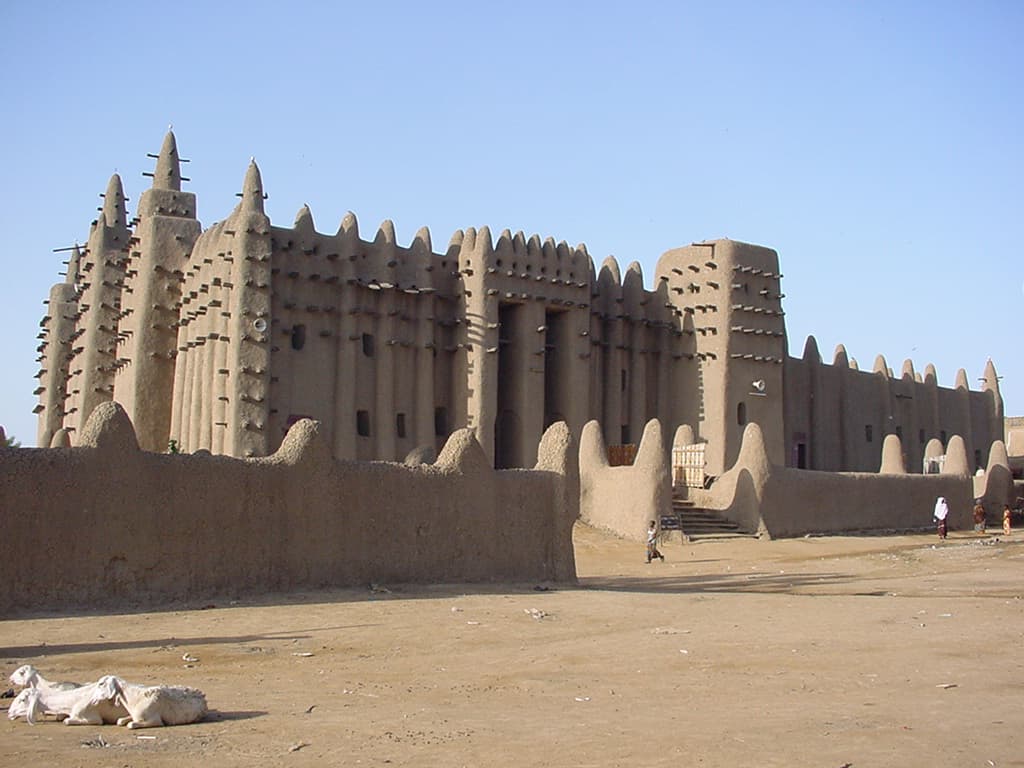
Patrimoine culturel et réconciliation au cœur de la 6e édition à venir
Bamako, le 14 avril 2026 - La promotion du patrimoine culturel et la réconciliation nationale ont été mises à l'honneur, mardi, alors que le ministre de l'Artisanat, de la Culture, de l'Hôtellerie et du Tourisme, Mamou…
Par Amina Kabasele - 3 min de lecture