

Sécurité - 3 novembre 2025
La BNDA du Mali obtient un prêt de 40 millions de dollars de l'IFC pour renforcer le financement agricole
Bamako, le 3 novembre 2025 - La Banque Nationale de Développement Agricole (BNDA) a obtenu un prêt de 40 millions de dollars de la Société Financière Internationale (IFC) pour étendre le financement aux petites et moyennes entreprises (PME) dans le secteur agricole. L'accord, annoncé le 30 octobre 2025, vise à renforcer le financement des petits agriculteurs, des coopératives et des entreprises agroalimentaires à travers le Mali.
Le package de l'IFC comprend également une facilité de financement commercial supplémentaire de 10 millions de dollars, conçue pour faciliter l'importation et l'exportation de biens et d'intrants agricoles essentiels.
Dans le cadre de ce programme de cinq ans, la BNDA prévoit de faire croître son portefeuille de prêts aux PME à plus de 270 millions de dollars, en dirigeant des fonds vers des entreprises dirigées par des femmes et des projets agroalimentaires respectueux du climat. Environ 25 pour cent des prêts seront destinés aux entreprises appartenant à des femmes, tandis que 10 pour cent seront réservés aux projets promouvant les énergies renouvelables, l'irrigation durable et l'agriculture verte.
Selon les estimations de l'IFC, ce partenariat pourrait faire croître le portefeuille de financement vert de la BNDA de 90 pour cent et créer entre 8 600 et 14 200 emplois - directs et indirects - au cours des cinq prochaines années.
« Ce partenariat avec l'IFC nous permettra d'accroître notre soutien aux agriculteurs, aux PME et aux femmes entrepreneurs à travers le pays », a déclaré Badara Aliou Coulibaly, directeur général de la BNDA. « Cela nous permettra également d'intégrer des solutions numériques et durables, d'élargir l'accès au financement et de renforcer la sécurité alimentaire nationale. »
Au-delà du soutien financier, l'IFC fournira une assistance technique pour aider la BNDA à renforcer sa stratégie de prêt agricole, ses systèmes de gestion des risques et son cadre d'inclusion de genre. Le programme introduira également des outils de scoring de crédit personnalisés pour améliorer l'accès aux prêts pour les petites entreprises et les coopératives.
Cet accord intervient alors que le Mali cherche à revitaliser un secteur agricole qui emploie près de 70 pour cent de sa population mais ne contribue qu'à 38 pour cent du PIB. La plupart des exploitations restent de petite taille - en moyenne 4,8 hectares - et font face à des défis chroniques tels que l'irrigation limitée, de faibles rendements et un sous-investissement dans des systèmes de production modernes.
L'intervention de l'IFC devrait renforcer la résilience et la productivité du secteur, en s'alignant sur l'objectif plus large du Mali d'atteindre la sécurité alimentaire et une croissance économique inclusive.
À lire aussi

Sécurité - 31 août 2026
RDC et Congo-Brazzaville s'efforcent de désamorcer le conflit frontalier sur le fleuve Congo
Kinshasa, le 31 août 2026 - La RDC et le Congo-Brazzaville ont agi pour contenir les tensions après un affrontement mortel du 28 août entre les troupes des FARDC et les forces du Congo-Brazzaville sur le fleuve Congo…
Par Amina Kabasele - 3 min de lecture
Sécurité - 31 août 2026
Des villages de Walikale vidés alors que les combats se propagent dans l'est de la RDC
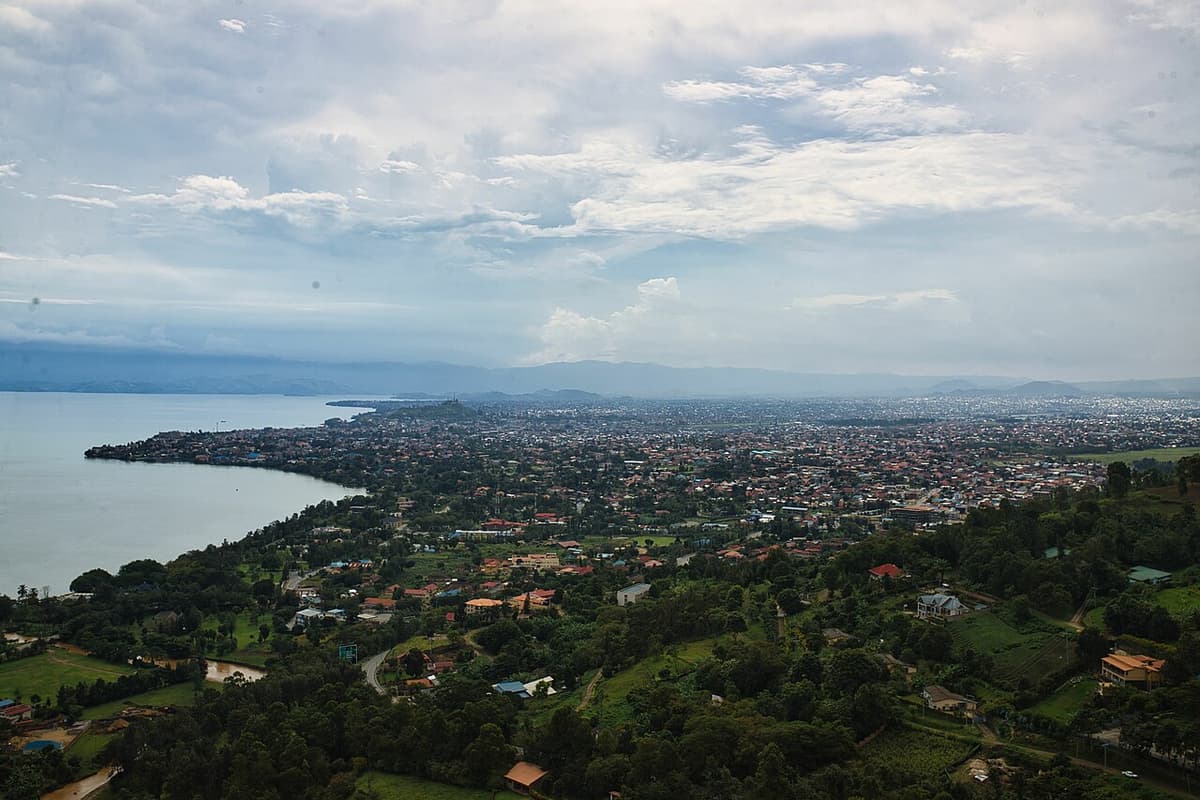
Goma, le 31 août 2026 - Plusieurs villages du groupement Waloa Loanda de Walikale ont été vidés alors que les combats entre l'armée et les forces AFC/M23 se sont étendus des zones voisines de Masisi et Kalehe…
Par Amina Kabasele - 3 min de lecture
Sécurité - 31 août 2026
Le gouvernement affirme que l'armée bloque l'expansion de l'AFC/M23 au Kivu
Kinshasa, le 31 août 2026 - Le gouvernement a déclaré que les FARDC faisaient systématiquement échouer les tentatives de l'AFC/M23 d'occuper de nouveaux territoires dans les Kivus, alors que les combats se poursuivaient…
Par Amina Kabasele - 3 min de lecture