
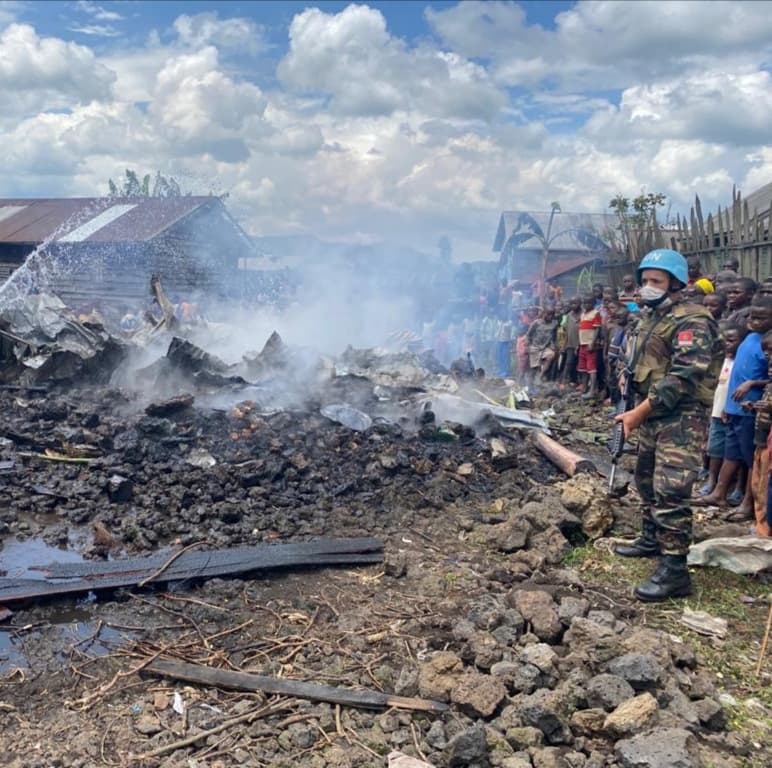
Sécurité - 27 décembre 2025
Environ 423 candidats, dont 29 femmes, ont passé l'examen d'entrée aux académies militaires
Kinshasa, le 27 décembre 2025 - Environ 423 candidats, dont 29 femmes, ont passé l'examen d'entrée aux académies militaires à Kisangani, en République Démocratique du Congo.
Pendant deux jours, les candidats ont été évalués en français, en anglais, en culture générale, en mathématiques et dans des matières spécialisées.
Selon le Major Magistrat Feinto Kabuya Mwadiamvita, Auditeur Militaire Supérieur Adjoint, les candidats retenus auront le choix entre l'Académie Spéciale et l'Académie Ordinaire, avec une formation de 9 mois pour la première et de 3 ans pour la seconde.
La formation se déroulera à Kinshasa, à Kitona (province du Kongo-Central) ou à Kananga (province du Kasai-Central). Les examens sont supervisés par le Général de Brigade Bertin Mfutela, commandant des centres de formation.
Plus de 372 jeunes ont passé l'examen national d'entrée le samedi 27 décembre pour l'admission aux académies militaires et aux études militaires. Les tests ont eu lieu au Collège Épiscopal Saint Pierre Dibua dia Buakane dans le district de Kanshi, après une cérémonie d'ouverture par le gouverneur provincial, qui a salué le courage des candidats face à l'agression du Rwanda voisin.
L'officier de recrutement de la 21e Région Militaire a déclaré que les meilleurs candidats seront présélectionnés pour étudier à Kananga, la capitale de la province du Kasai Central.
La seconde moitié de décembre 2025 trouve la République Démocratique du Congo (RDC) dans un état de profonde complexité, où des progrès économiques significatifs et des efforts humanitaires sont éclipsés par un paysage sécuritaire volatile et une géopolitique régionale en mutation.
Sécurité et Géopolitique : La chute et le retrait contesté de l'AFC/M23 de la ville stratégique d'Uvira ont fondamentalement modifié l'équilibre des pouvoirs régional. Bien que le groupe rebelle revendique un retrait tactique en soutien aux processus de paix, le gouvernement congolais reste sceptique, considérant ces mouvements comme des diversions calculées soutenues par le Rwanda. La fermeture des frontières avec le Burundi a déclenché un choc économique sévère pour le voisin et laissé des milliers de réfugiés congolais dans des conditions humanitaires désastreuses.
Tensions Politiques Internes : Sur le plan national, l'arrestation de la figure de l'opposition Emmanuel Ramazani Shadary a suscité des critiques internationales, notamment de la Belgique, et risque de polariser davantage l'environnement politique à un moment où l'unité nationale est cruciale pour faire face à l'agression à l'est.
Résilience Économique vs Coût Humain : Paradoxalement, alors que le FMI rapporte une croissance du PIB résiliente dépassant 5 % et une inflation stabilisée, la réalité quotidienne pour de nombreux Congolais est marquée par la tragédie et le déplacement. Des naufrages mortels, des épidémies chroniques de choléra dans les camps de réfugiés et des marches civiles forcées dans les territoires occupés soulignent le coût humain sévère de l'instabilité persistante.
Gouvernance et Efforts de Réforme : Au milieu de ces crises, le gouvernement continue de pousser pour des réformes structurelles. Des initiatives comme la feuille de route pour les droits de l'homme dans le secteur minier, la modernisation des services publics et des partenariats stratégiques pour la finance numérique (par exemple, Rawbank et Visa) signalent un engagement à long terme envers l'efficacité de l'État et la formalisation économique.
En fin de compte, le rapport souligne que bien que la RDC fasse des progrès en matière de stabilité macro-économique et de réforme de la gouvernance, sa stabilité future dépend de la mise en œuvre effective des accords de paix et du rétablissement de l'autorité de l'État à l'Est. Sans une cessation vérifiable des hostilités et une réduction des frictions politiques, le développement humain et social du peuple congolais reste précaire.
À lire aussi
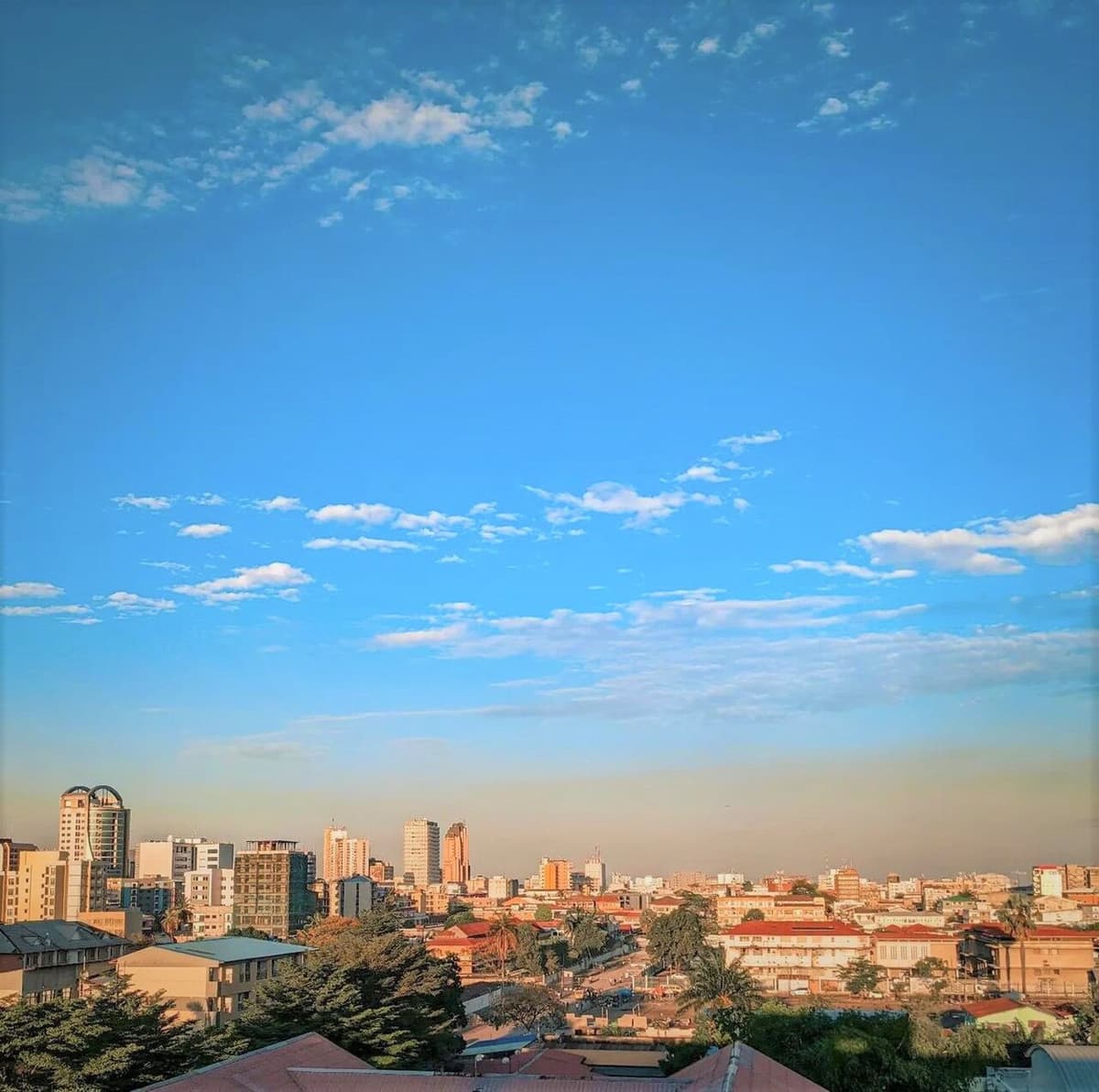
Sécurité - 31 août 2026
RDC et Congo-Brazzaville s'efforcent de désamorcer le conflit frontalier sur le fleuve Congo
Kinshasa, le 31 août 2026 - La RDC et le Congo-Brazzaville ont agi pour contenir les tensions après un affrontement mortel du 28 août entre les troupes des FARDC et les forces du Congo-Brazzaville sur le fleuve Congo…
Par Amina Kabasele - 3 min de lecture
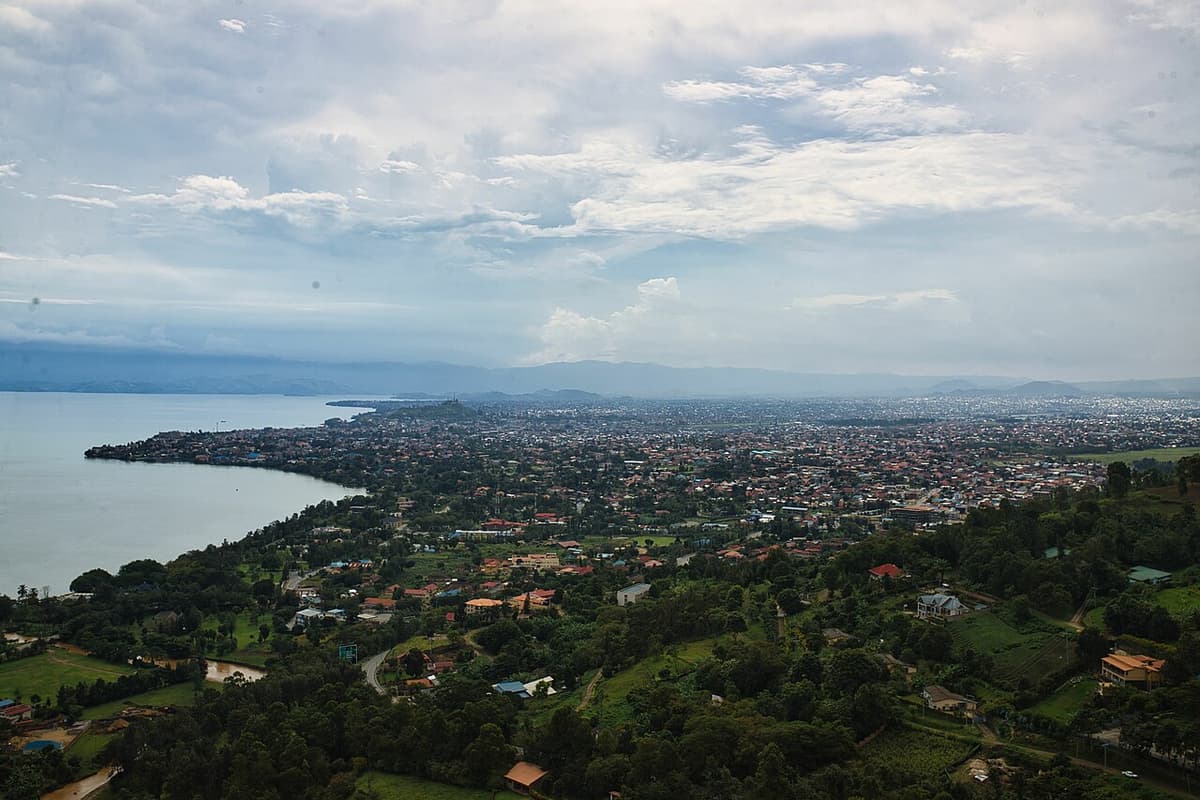
Sécurité - 31 août 2026
Des villages de Walikale vidés alors que les combats se propagent dans l'est de la RDC
Goma, le 31 août 2026 - Plusieurs villages du groupement Waloa Loanda de Walikale ont été vidés alors que les combats entre l'armée et les forces AFC/M23 se sont étendus des zones voisines de Masisi et Kalehe…
Par Amina Kabasele - 3 min de lecture
Sécurité - 31 août 2026
Le gouvernement affirme que l'armée bloque l'expansion de l'AFC/M23 au Kivu
Kinshasa, le 31 août 2026 - Le gouvernement a déclaré que les FARDC faisaient systématiquement échouer les tentatives de l'AFC/M23 d'occuper de nouveaux territoires dans les Kivus, alors que les combats se poursuivaient…
Par Amina Kabasele - 3 min de lecture