
Sécurité - 4 avril 2026
Kinshasa accuse Kabila après des propos sur la « soudanisation » dans un contexte de tensions politiques croissantes
KINSHASA, le 26 mars 2026 - Les autorités de la République démocratique du Congo ont vivement réagi aux récentes déclarations de l'ancien président Joseph Kabila, les interprétant comme une responsabilisation implicite des activités des groupes armés opérant dans l'est du pays.
La controverse fait suite à une nouvelle intervention publique de Kabila après des consultations avec des acteurs socio-politiques du Nord et du Sud-Kivu et à une déclaration basée à Nairobi de l'initiative politique « Sauvons la République démocratique du Congo ». L'ancien chef de l'État a profité de l'occasion pour critiquer la gouvernance du président Félix Tshisekedi, marquant l'une de ses interventions politiques les plus directes de ces derniers mois.
Dans une récente interview accordée à un média belge, Kabila a rejeté le terme couramment utilisé de « balkanisation » pour décrire la crise sécuritaire dans l’est du Congo, faisant plutôt référence à un processus de « soudanisation ». Il a établi des parallèles avec la fragmentation historique du Soudan, qui a conduit à l'indépendance du Soudan du Sud en 2011 après des années de guerre civile.
Le porte-parole du gouvernement, Patrick Muyaya, a condamné ces propos lors d'un point de presse à Kinshasa, les décrivant comme une « forme de revendication de responsabilité » liée aux actions de la rébellion AFC/M23 active dans l'est de la RDC, un groupe armé soutenu, selon Kinshasa, par le Rwanda.
Muyaya a en outre fait valoir que le moment et le cadre de la déclaration de Kabila étaient politiquement significatifs, suggérant qu’ils reflétaient un agenda sous-jacent. Il a également rejeté les critiques de l’ancien président à l’égard de la gouvernance actuelle, insistant sur le fait que l’administration actuelle a donné la priorité au développement des infrastructures et à la réforme institutionnelle, tout en accusant les dirigeants précédents de ne pas avoir réussi à relever les défis nationaux de longue date.
Ces remarques interviennent dans le contexte d’une mobilisation politique continue liée à un conclave tenu à Nairobi en octobre 2025, au cours duquel des alliés et des personnalités politiques proches de Kabila ont annoncé la formation du « Mouvement pour sauver la RDC ». La plateforme décrit sa mission comme étant de restaurer la gouvernance démocratique, de faire face à la crise systémique et de promouvoir la réconciliation nationale.
L’initiative accuse le gouvernement actuel de recul démocratique et d’abus institutionnels, et appelle à un dialogue national inclusif facilité par les institutions religieuses. Il rejette également les processus politiques unilatéraux menés par la présidence.
Le mouvement, également appelé dans plusieurs langues locales Tobikisa Ekolo, Tuokowe Taifa et Tupandishayi Ditunga, a indiqué son intention de coordonner les forces d'opposition et d'impliquer les parties prenantes régionales et internationales concernant la situation en République démocratique du Congo.
À lire aussi
Sécurité - 31 août 2026
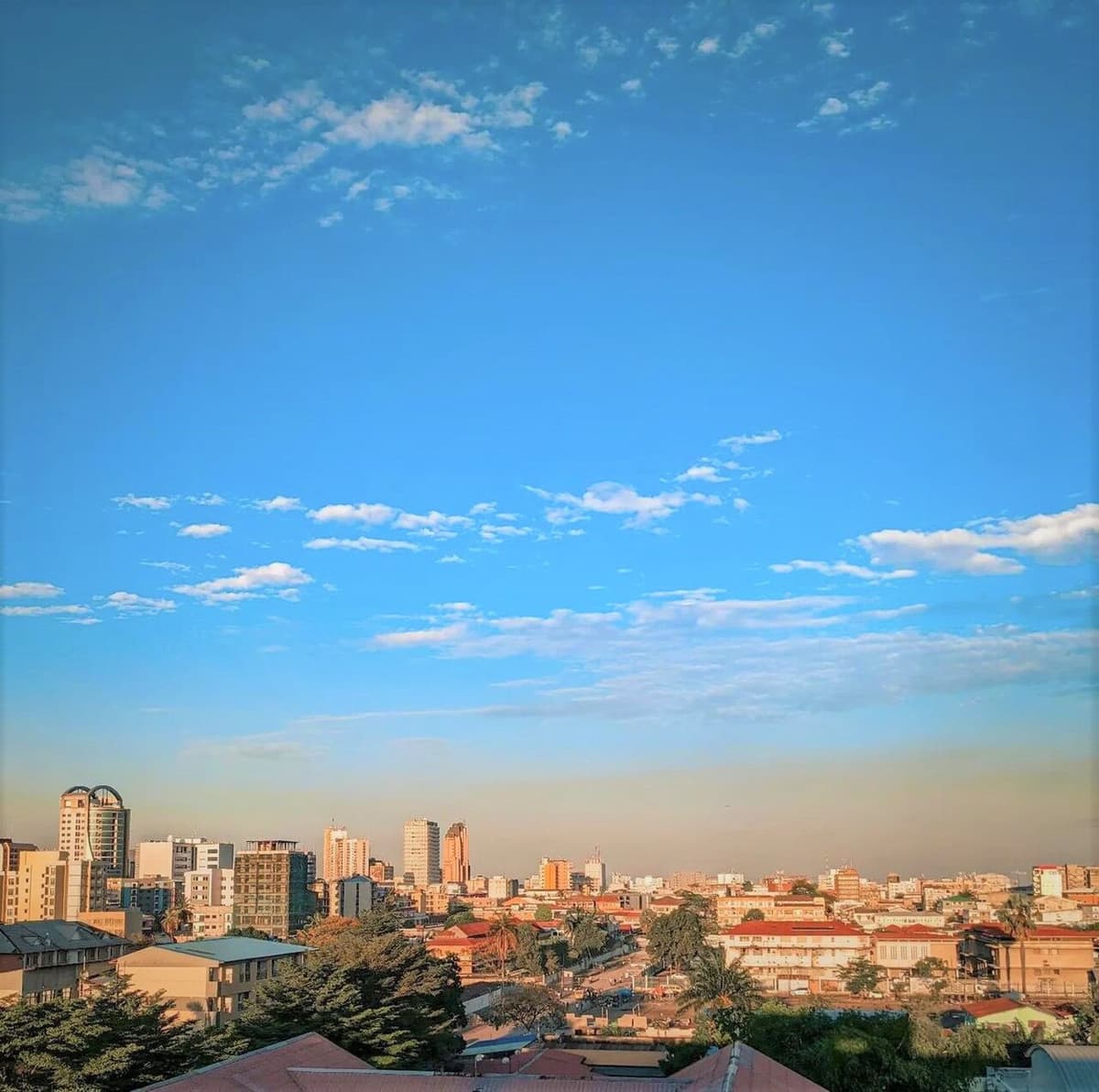
RDC et Congo-Brazzaville s'efforcent de désamorcer le conflit frontalier sur le fleuve Congo
Kinshasa, le 31 août 2026 - La RDC et le Congo-Brazzaville ont agi pour contenir les tensions après un affrontement mortel du 28 août entre les troupes des FARDC et les forces du Congo-Brazzaville sur le fleuve Congo…
Par Amina Kabasele - 3 min de lecture
Sécurité - 31 août 2026
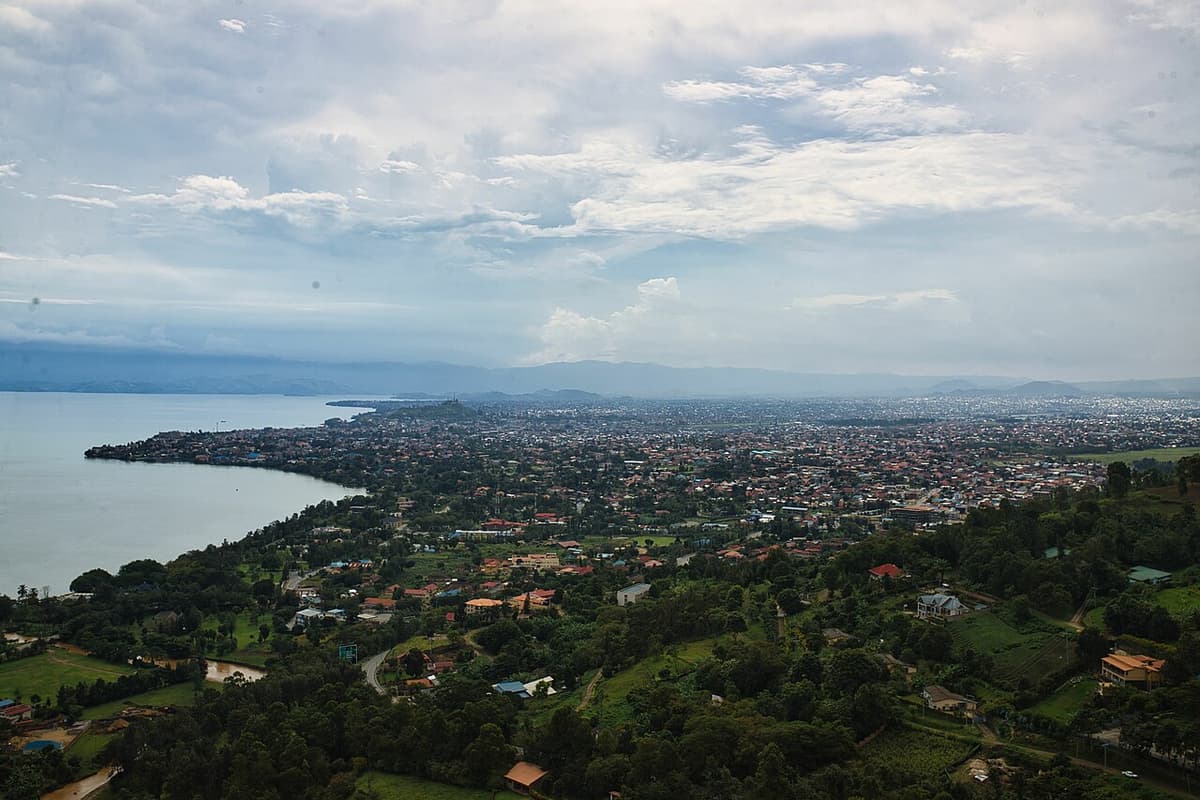
Des villages de Walikale vidés alors que les combats se propagent dans l'est de la RDC
Goma, le 31 août 2026 - Plusieurs villages du groupement Waloa Loanda de Walikale ont été vidés alors que les combats entre l'armée et les forces AFC/M23 se sont étendus des zones voisines de Masisi et Kalehe…
Par Amina Kabasele - 3 min de lecture
Sécurité - 31 août 2026
Le gouvernement affirme que l'armée bloque l'expansion de l'AFC/M23 au Kivu
Kinshasa, le 31 août 2026 - Le gouvernement a déclaré que les FARDC faisaient systématiquement échouer les tentatives de l'AFC/M23 d'occuper de nouveaux territoires dans les Kivus, alors que les combats se poursuivaient…
Par Amina Kabasele - 3 min de lecture